Sourced fact
The News
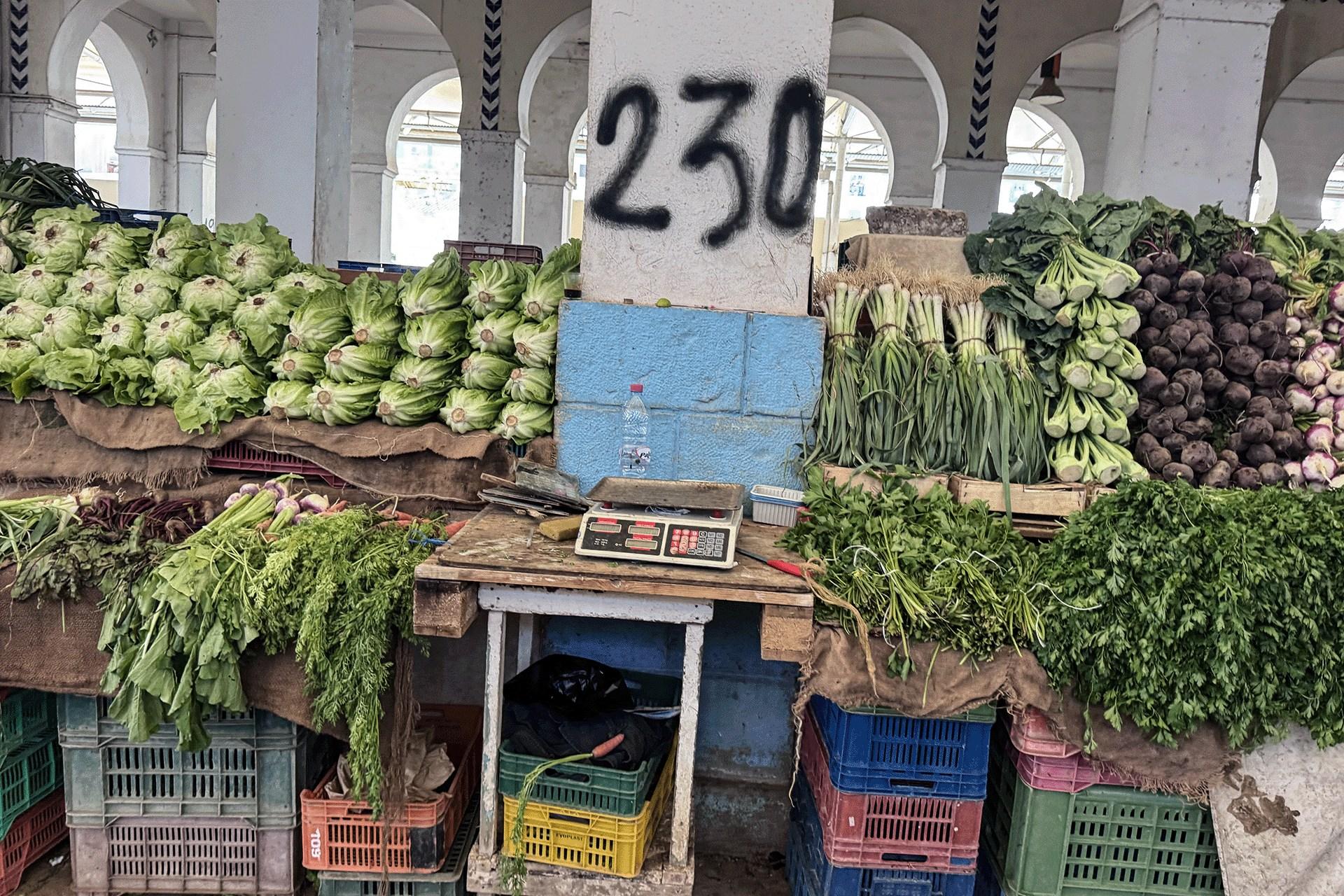
The cost of maintaining Houssems Ouisslati's taxi in Tunisia has increased significantly. In 2018, he paid around 35 Tunisian dinars (approximately $13) for engine oil, while today the price stands at about 100 dinars (approximately $34). This increase highlights the economic challenges Tunisians face since President Kais Saied took office in 2019. According to Al Jazeera, economists noted that the annual inflation rate in Tunisia reached 5.6% in September 2026, compared to 5.4% in August and 4.8% in January. Despite economic growth in Tunisia reaching 2.3% in the second quarter of 2026, this growth has not translated into significant improvements in job opportunities, particularly for young people and graduates. According to data from the National Institute of Statistics, the general unemployment rate was 14.9% in the second quarter of 2026, while the unemployment rate among young people aged 15 to 24 was 35.4%. Although the unemployment rate has decreased slightly compared to the previous year, this decrease has not translated into stable and secure job opportunities for young people.
Economist Ridha Chakchouk explained that continuous inflation since 2021 has put significant pressure on Tunisian families. According to his estimates, the average annual inflation rate was 6.8% between 2015 and 2021, and it rose to 8.1% between 2021 and 2026. Chakchouk added that sustained inflation reduces the ability of families to purchase essential goods, especially under credit constraints.
In another context, President Saied noted that combating monopoly and speculation has become a key part of his economic program. However, some observers warn that government interventions may lead to shortages of essential goods rather than lower prices. While these efforts aim to protect consumers, they may have negative effects on supply chains and trade.
Analysis & context
Analysis & Context
Analytically, the Tunisian economy faces multiple challenges related to economic growth and unemployment. In a broader context, Tunisia is under increasing pressure to improve economic conditions amid global challenges.
Historically, Tunisia has faced long-standing economic challenges, including high inflation and high unemployment rates. These challenges make it difficult to achieve sustainable economic progress.
It is also worth noting that President Kais Saied's economic policies aim to combat monopoly and speculation, but they may face challenges in effective implementation. Restricting monopoly and speculation could lead to reduced availability of essential goods and increased inflation, exacerbating the suffering of citizens.