Sourced fact
The News
Katie Zacharia, the new White House spokesperson under President Donald Trump's administration, has sparked widespread debate due to her claims about her professional background. On Wednesday, a non-profit organization dedicated to promoting transparency filed a lawsuit against the California Bar Association regarding Zacharia's claims that she is a lawyer. According to her LinkedIn profile, Zacharia obtained a law degree from the Caruso School of Law at Pepperdine University in 2011, but opponents of her claims have questioned whether she holds a legal license.
Michelle Cobrasmith, the head of the accountability campaign, noted that Zacharia "has repeatedly represented herself as a lawyer to bolster her reputation and credibility as a legal commentator on television and now as White House spokesperson, but it appears that it was all a lie." According to California law, claiming to be a lawyer without a license is a crime.
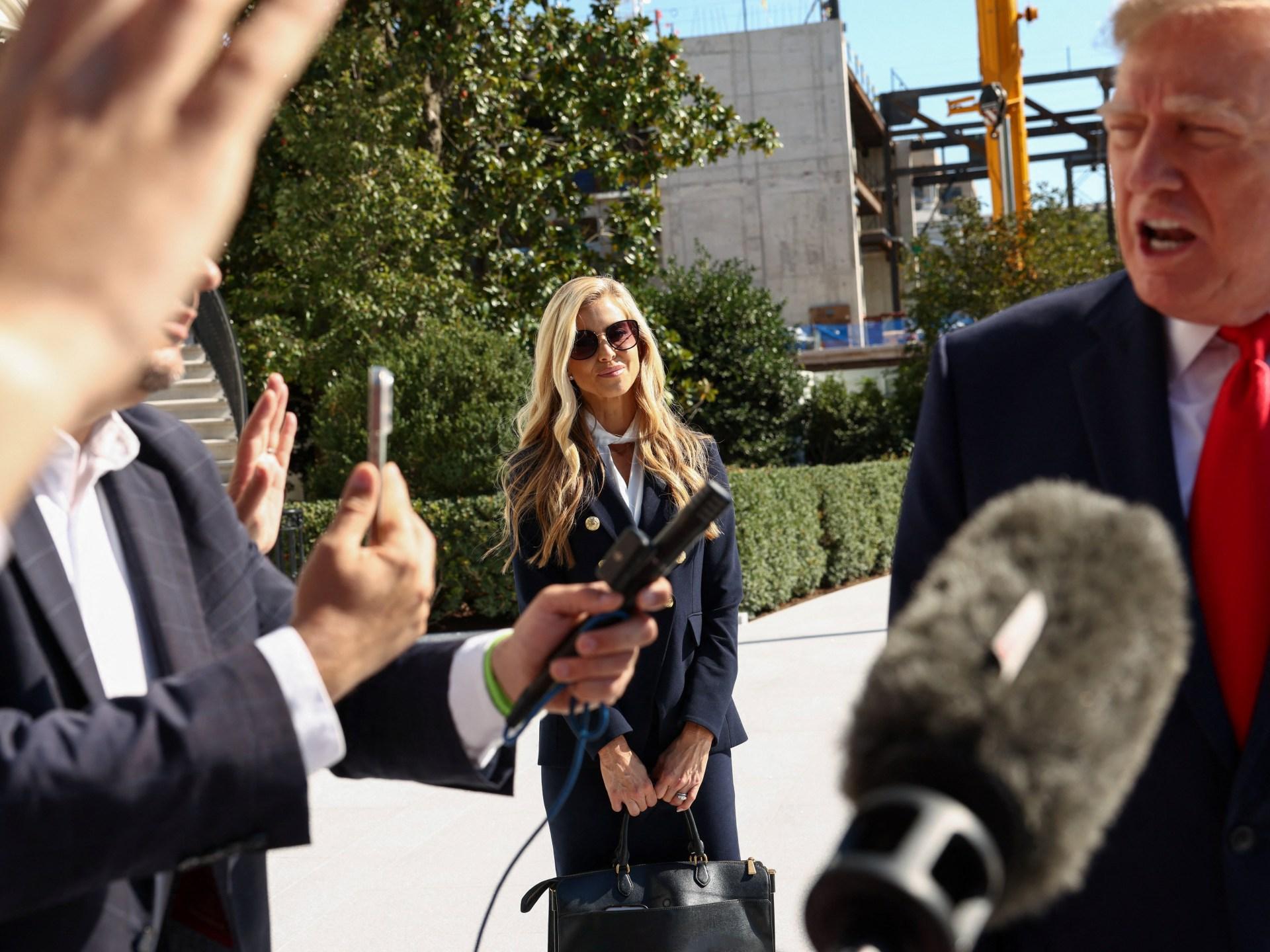
Zacharia, who frequently appeared on Fox News and Newsmax, began her tenure as White House spokesperson on Tuesday. During her first press briefing, she seemed to struggle with her speech and repeated herself several times. The briefing lasted less than 15 minutes, during which she thanked President Trump for the opportunity.
When asked about where she took her bar exam, Zacharia responded that it was "when I moved to China." This answer pointed to a three-year period Zacharia spent in China, where she claimed to have worked at a law firm. However, foreigners generally cannot take the bar exam in China, raising questions about the veracity of her claims.
In a statement to the Associated Press, Zacharia responded to the criticism by saying that she "deals with international law, with all the necessary credentials." However, no evidence has been found to suggest that Zacharia has a legal license in any U.S. state.
Analysis & context
Analysis & Context
Analytically, this case highlights the importance of transparency and integrity in governmental roles, especially in positions that require public trust and credibility. In a broader context, the issue raises questions about ethical and professional standards in governmental roles and legal institutions. At the same time, it sheds light on the challenges faced by women and minorities in attaining leadership positions in government and media.