Sourced fact
The News
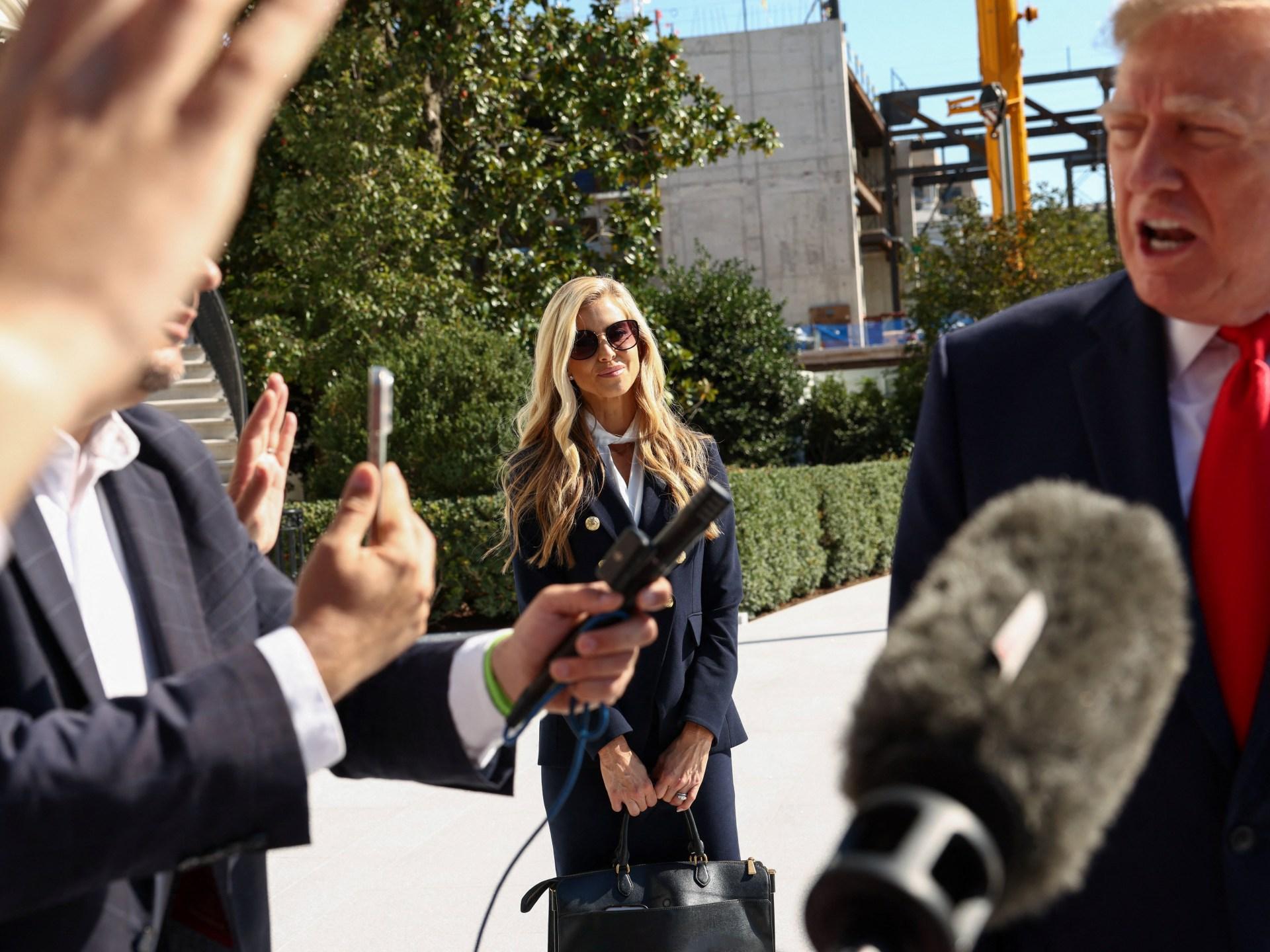
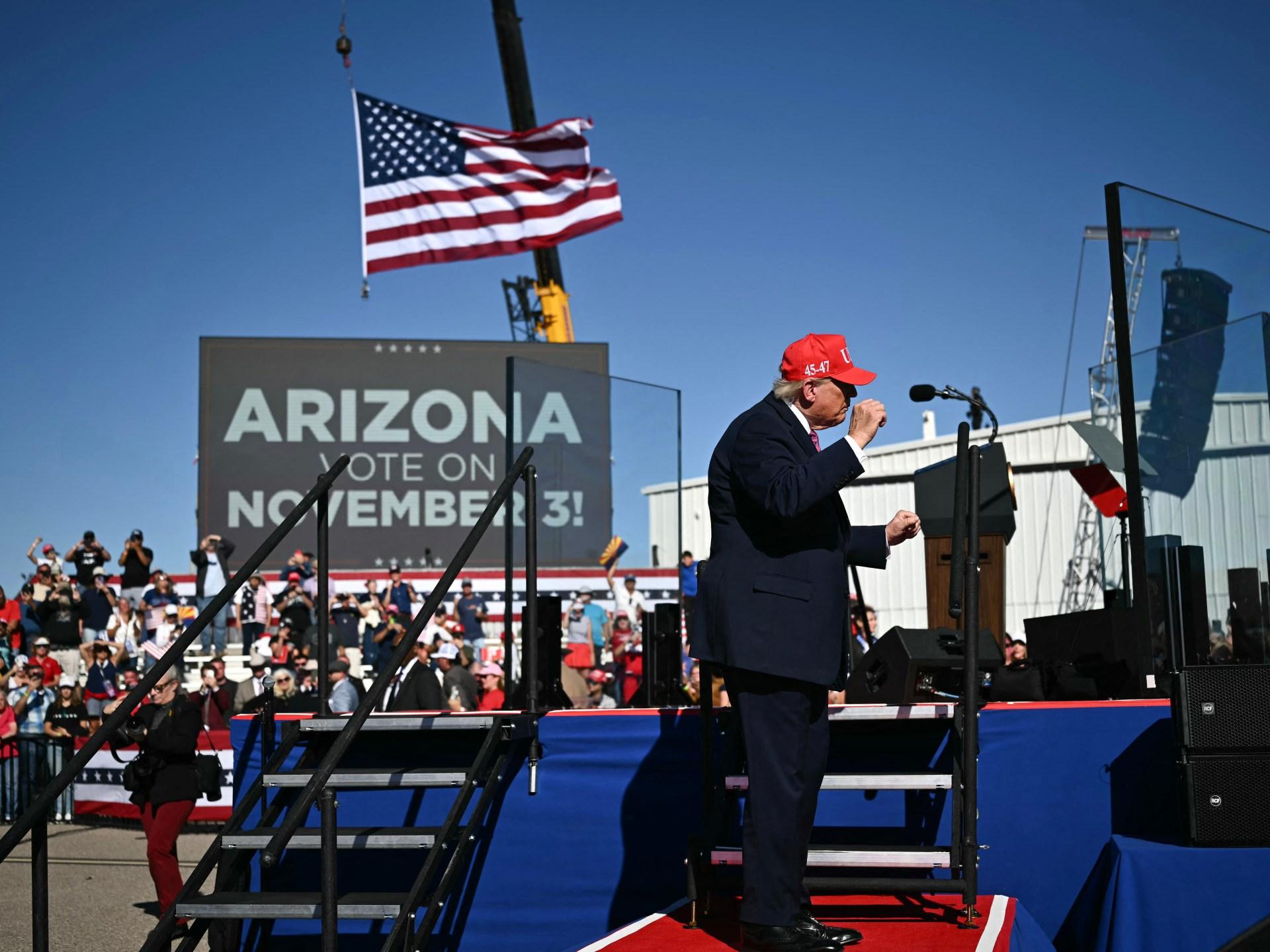
US President Donald Trump declared at a rally in Bullhead City, Arizona, that those who leak information to the media should be executed. In the context of leaks that occurred during the Iran-Israel conflict in June 2025, Trump stated, "In my opinion, leakers should be killed." He accused the media of compromising the security of American military personnel, singling out CNN and The New York Times in his criticism.
Following the US attack on Iran, US media outlets published information from an initial US administration report for intelligence defense. The report indicated that Iran had moved some enriched uranium away from sites bombed by the US, suggesting that the extent of damage to Iran's nuclear facilities was less than what Trump had announced. In response, the US president said that the timing of the attacks was among the leaked information, leading to rescheduling of the strikes.
Since taking office, the Trump administration has taken stringent measures to uncover sources of leaks. Administration employees and military officers have been subjected to polygraph tests. US judicial authorities have issued subpoenas to journalists from several media outlets, including The New York Times, The Washington Post, and The Wall Street Journal, to identify sources of insider information that was published. Many media outlets refused to sign agreements that would prevent the publication of unofficial information, leading to many of these restrictions being lifted by federal courts.
In 2024, Alisha Farah Griffin, a former White House official, revealed that Trump had demanded severe sanctions against leakers after media outlets reported that the president had taken refuge in an underground shelter during the 2020 racial justice protests. In his final address, Trump reiterated his strong stance against leaks, stating, "Leakers should be dealt with extremely strongly, they are in my opinion filth."
Analysis & context
Analysis & Context
Analytically, Trump's statement reflects a harsh stance toward government leaks. This policy underscores the ongoing tension between the White House and American media, with Trump viewing leaks as a threat to national security and a risk to military personnel. Additionally, these statements reflect political tensions between the Democratic and Republican parties, with Trump suggesting that Democrats are responsible for leaks. In a broader context, these statements highlight ongoing tensions around press freedom and the right to access government information in the United States.