Sourced fact
The News
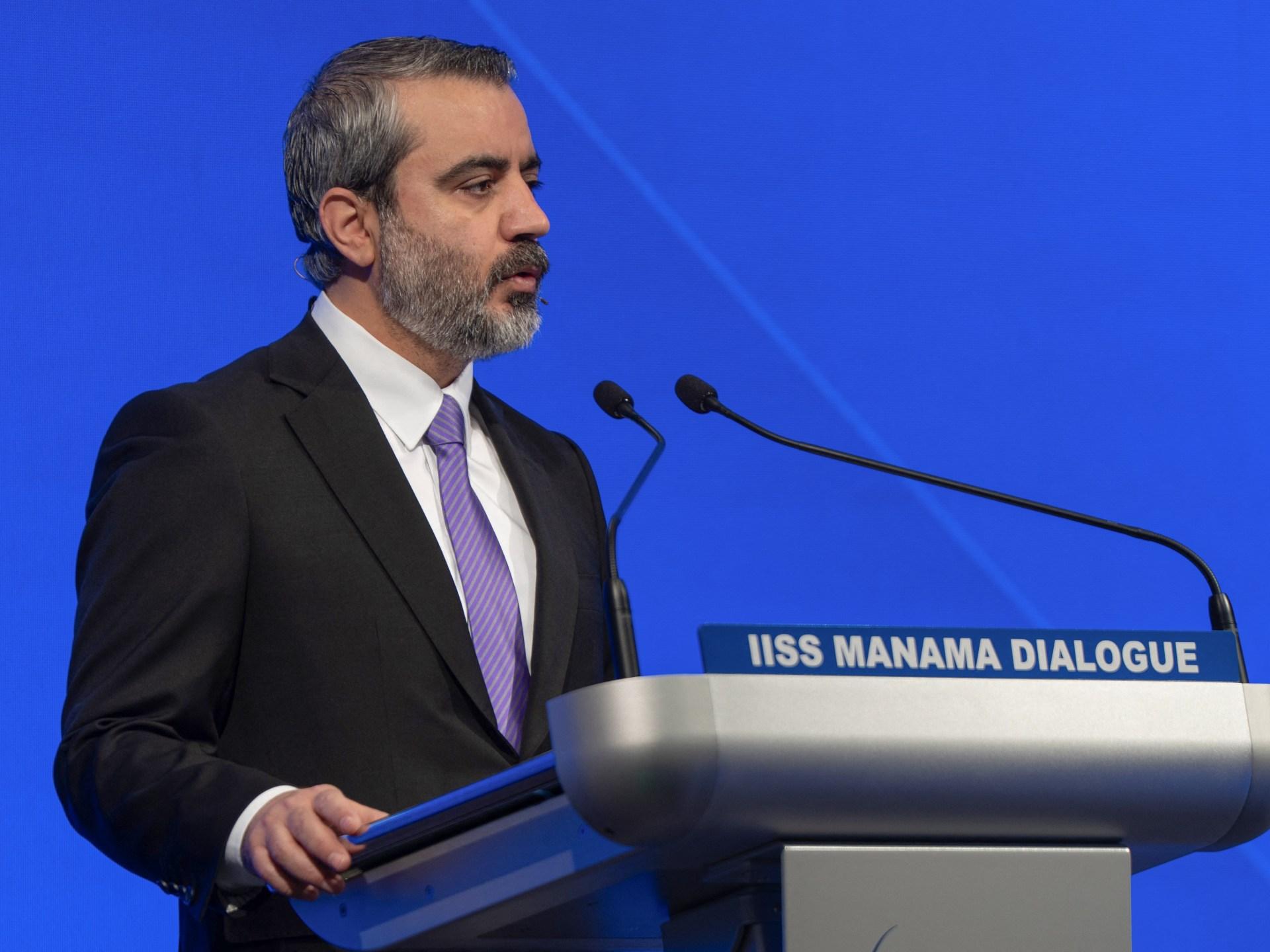
Syrian Foreign Minister Asad al-Shibani announced that the Syrian government is carefully considering joining the mutual defense agreement known as the Makkah Agreement, which unites the Kingdom of Saudi Arabia, Turkey, and Pakistan. This statement was made during his participation in the Manama Dialogue Conference in Bahrain on Saturday, where he confirmed that discussions are ongoing to evaluate the possibility of Syria joining this new security alliance.
The Makkah Agreement, signed last August in the city of Makkah, aims to consider any attack on one member state as an attack on all, making it similar to NATO in terms of the nature of reciprocal security commitments. Saudi Arabia, which faces intense military pressure from Houthi forces in Yemen, is the main backer of the current Syrian government led by Ahmed al-Sharaa following the fall of former President Bashar al-Assad in December 2024.
While Turkey and Pakistan have pledged to provide military support to Riyadh to counter escalating attacks by Iran-backed Houthis, neither country has yet announced direct strikes against the Yemeni group. Shibani indicated that Damascus views itself as an integral part of regional security and supports any framework aimed at protecting stability in the region and developing shared deterrence and defense systems.
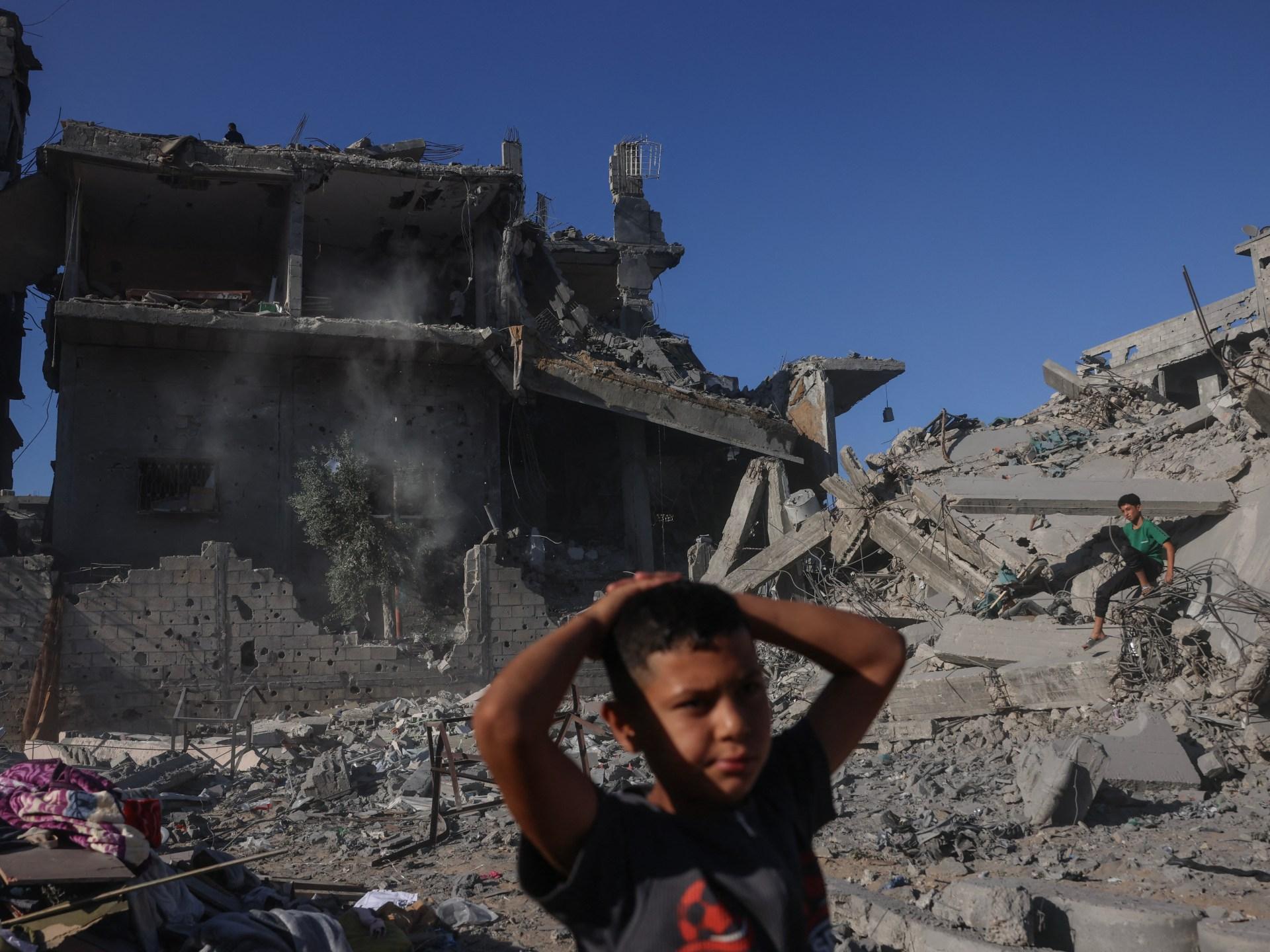
The Syrian minister also expressed concern over violations of Syrian sovereignty, holding Israel responsible for more than a thousand attacks in less than two years, which have resulted in the deaths of dozens. Shibani raised a sharp question about the legitimacy of demands to control borders and place weapons under state-only control while Syria is targeted daily, calling on all parties to respect the unity and integrity of member states.
Analysis & context
Analysis & Context
From an analytical perspective, Syria's potential accession to the Makkah Agreement represents a major geopolitical shift reflecting the changing balance of power in the Middle East following the collapse of the previous regime. This integration deeply links Damascus with the Saudi-Turkish-Pakistani axis aimed at countering shared threats such as Houthi groups and other non-state actors supported by Iran.
In the broader context, the Makkah Agreement represents an attempt to build a new regional defense alliance to fill the security vacuum left by the decline of traditional American influence in the region. However, the nature of this alliance differs from NATO, as direct military commitments such as sending foreign troops to fight have not yet been declared by Turkey and Pakistan.
Syrian Foreign Minister statements indicate that Damascus seeks to integrate itself into this new security equation to enhance its status as a fully sovereign state rather than merely a battlefield for external conflicts. This stance comes at a time when regional tensions are escalating and the need for shared defense mechanisms to protect borders and critical infrastructure is growing.
The human and security dimensions of the Israeli attacks mentioned in the report add another layer of complexity to the equation, linking Syria between issues of national sovereignty and defending civilians against ongoing assaults. This linkage makes any decision regarding joining the alliance also tied to a comprehensive deterrence strategy against the multi-source threats currently facing the Syrian state.