Sourced fact
The News
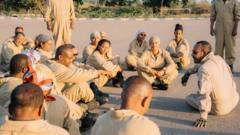
Ethiopian Prime Minister Abiy Ahmed has announced a program to train senior government officials in military skills aimed at enhancing national discipline and effective leadership. This move is considered unconventional given the rarity of civilian officials participating in military exercises. Participants included Finance Minister Fitsum Assefa, Health Minister Mikiedas Daba, and Deputy Speaker of the Federal Assembly Meweset Kamel, alongside several other high-ranking government employees.
In his social media post, Abiy Ahmed emphasized that achieving comprehensive prosperity requires Ethiopian leadership to possess strong physical fitness, high national spirit, and intellectual capacity. He viewed military institutions as offering valuable lessons in discipline, patriotism, teamwork, and accountability. He added that while soldiers have objectives and civilians have ambitions, their shared goal is victory; integrating military and civilian discipline will contribute to building a generation capable of achieving both.
This initiative comes amidst multiple security challenges facing Ethiopia, including ongoing fighting in northern Tigray, conflict in Amhara, insecurity in Oromia, rising tensions with neighboring Eritrea, and fears of a potential new conflict between the two countries. Abiy Ahmed sees military preparedness and national development as two pillars of his government's agenda, with training aimed at developing leaders who feel strongly responsible and capable of working together toward common goals.
Analysis & context
Analysis & Context
From an analytical perspective, this decision represents a radical shift in Ethiopian government administration culture, which has traditionally kept civilian and military roles entirely separate. Integrating civilian officials into military training programs reflects the government's desire to instill values of discipline and national loyalty as foundational pillars for overall leadership, not just within the regular armed forces.
In the broader context, Ethiopia has faced a series of internal conflicts over recent years that have affected its stability and territorial integrity. Training senior officials in this climate indicates an attempt by the government to strengthen state cohesion and address multiple security threats endangering its territory and citizens.
Tensions with Eritrea remain a significant factor influencing Ethiopia's foreign and security policies, as Ethiopian leadership seeks to ensure national security in a region that is both geographically and politically sensitive. This training may also serve as a message to the international community and neighbors that Ethiopia is prepared to meet any challenges with its best available human and military resources.
Finally, this initiative reflects a growing global trend toward integrating military values into civilian administration to enhance efficiency and effectiveness in achieving major national objectives. Combining military discipline with civilian flexibility may produce a new generation of leaders capable of guiding the country toward a better future.