Sourced fact
The News
Israel continues to experience a parliamentary stalemate following the October 27 elections, which saw the highest voter turnout in decades. No alliance of Prime Minister Benjamin Netanyahu or the Zionist opposition coalition secured the 61 seats required for a majority. Netanyahu's camp finished first with 53 seats, trailing only by five seats from the main opposition bloc, while Arab parties retreated to the status of observers in negotiations despite their historic rise to 19 seats.
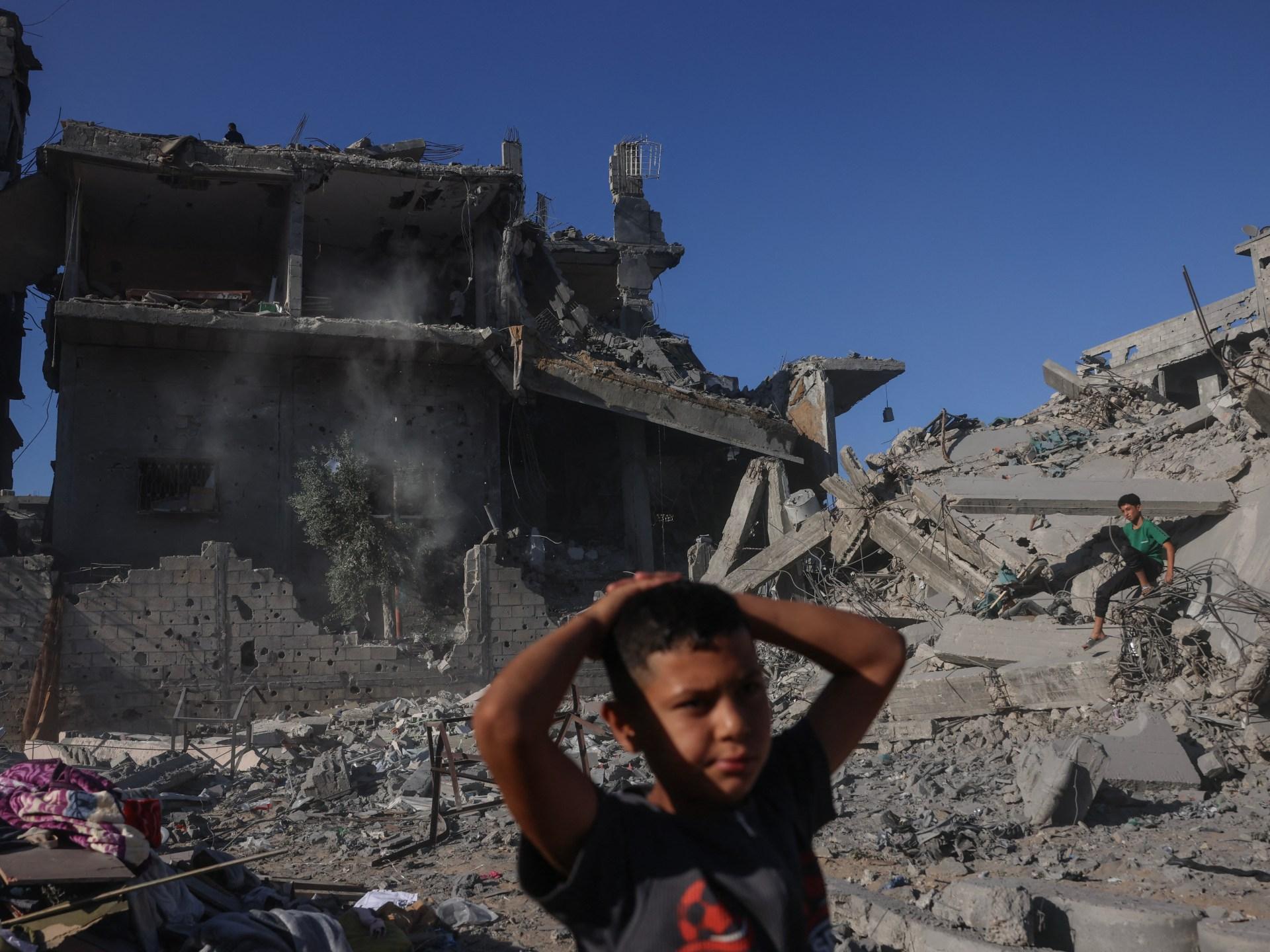
Analysts attribute this internal division to issues such as judicial authority and exempting the non-Jewish minority from military service, rather than focusing on war crimes in Gaza and the West Bank, which a UN committee report described as crimes against humanity including genocide and torture. Israeli analyst Aaron Bregman noted that Netanyahu's base views him as an eternal right leader and sees their primary enemy not as Arabs but as the left, causing them to vote for him regardless of his personal errors.
In another context, Yudah Shnaber-Sharabi clarified that the lack of empathy for Palestinian suffering stems from a powerful mechanism of denial regarding the meaning of facts rather than their truth itself; many know Gaza was destroyed but do not grasp the ethical and political implications. He added that ordinary people who love their families can participate in a political system that produces immense suffering for others without feeling guilt or empathy.
Academic Roy Zour also pointed out that Netanyahu camp voters see him as the only option for national security, believing he is capable of leading the country in the post-October 7 period. While Shnaber-Sharabi argues that replacing Netanyahu will not solve deep-seated problems, reality shows that war and occupation have become a lens through which Israelis view the concepts of security, democracy, and Jewish identity.
Analysis & context
Analysis & Context
From an analytical perspective, experts like Yudah Shaniv-Sharabi indicate that the absence of Gaza and the West Bank from electoral decision factors is because they represent a broad area of agreement between both blocs, while discussion was confined to purely internal issues such as judicial authority, exempting the non-Jewish minority from military service, and the government's responsibility for failing to warn civilians before attacks.
In a broader context, Israeli analyst Aaron Bregman views Netanyahu's support base as resembling a tribe or sect that always sees its leaders as right, where the primary enemy is not Arabs but the left, causing voters to support him regardless of his personal mistakes. Academic Roy Zour also notes that the vote was less about government behavior and more about competition between different claims of political legitimacy regarding the future of Jewish and Israeli identity.
Shaniv-Sharabi also clarified the existence of a "powerful perception mechanism" operating among many Israelis, who distinguish between knowing facts in Gaza and grasping their ethical and political consequences. This allows ordinary individuals who love their families to engage in a political system that produces immense suffering for others. This means that replacing Netanyahu, regardless of his importance, will not solve the deep problem where war and occupation have become a lens through which security, citizenship, and the very meaning of democracy itself are viewed.