Sourced fact
The News
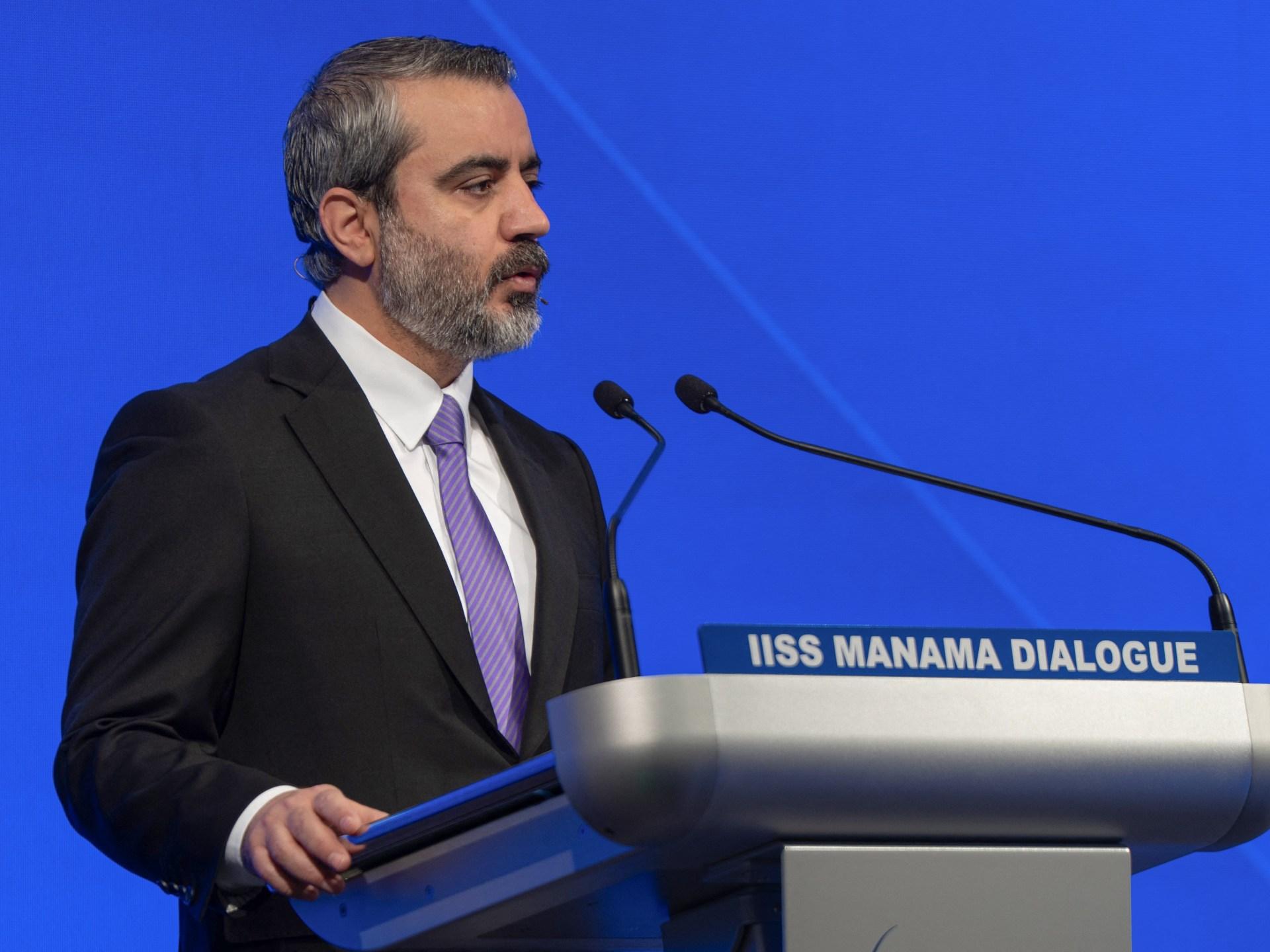
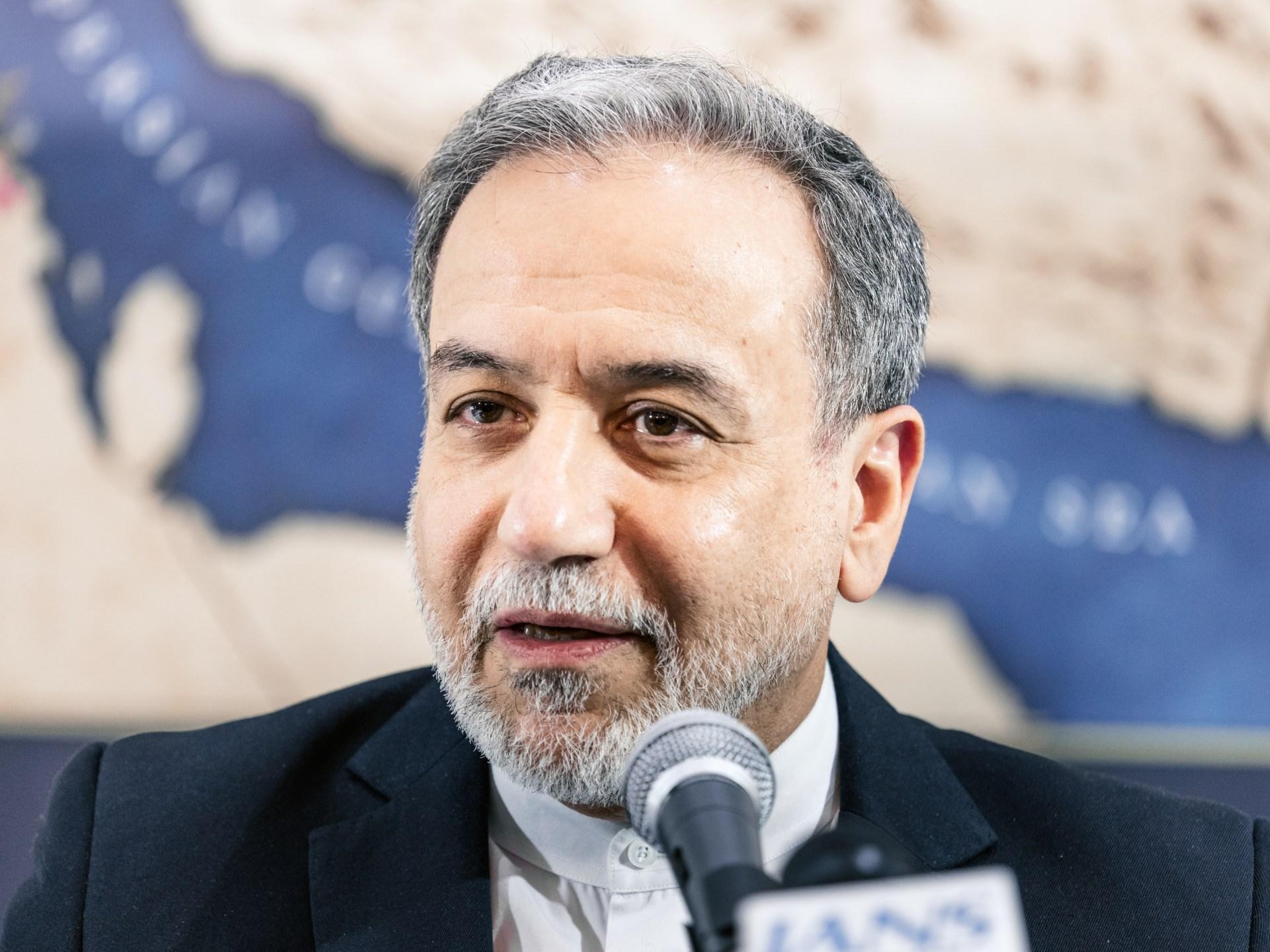
Iranian Foreign Minister Abbas Araghchi confirmed that the United States' attempt to open a door for dialogue with Tehran is a positive step, despite there currently being no plans to hold direct meetings with American officials. Speaking to Al Jazeera on Saturday, Araghchi explained that Iran has studied a message sent by US Vice President JD Vance during high-level meetings, noting that Tehran has set its conditions for reopening the Strait of Hormuz, which would facilitate the path toward new negotiations with Washington.
The minister stated that an Iranian delegation arrived in Doha for one day after Qatari mediators were in Tehran seeking a settlement to stop the fighting between the two countries, indicating that one of their members is currently in Qatar to complete consultations. Araghchi questioned whether the purpose of Washington's message was to incite chaos, considering it an additional error by the United States after its previous mistakes.
He pointed out that talk of future meetings between the two sides is based solely on media speculation, emphasizing that there is no need to meet Americans at this stage because Iran's conditions are clear and mediators continue to consult on them. He added that conducting direct or indirect talks with America depends on Tehran meeting its conditions, while the Iranian delegation is reviewing proposals made by mediators regarding the nuclear file as part of the second phase.
Araghchi revealed progress in talks with Qatari mediators to reduce the implementation period of Iran's plan to reopen the Strait of Hormuz to two days instead of five days. Iran's conditions included lifting sanctions imposed after the Islamabad memorandum and reducing US forces in the region, as well as including oil exemptions and releasing all frozen funds, including those deposited in Qatar.
Iranians also called for demarcating shipping routes through the strait as agreed with the Sultanate of Oman, and described the country as ready for all scenarios, including potential attacks after upgrading its weapons and addressing its weaknesses.
Analysis & context
Analysis & Context
From an analytical perspective, Iran's position reflects a delicate balance between readiness for diplomatic dialogue and maintaining strategic flexibility amid ongoing tension with the United States. Defining clear conditions such as lifting sanctions and reducing the US military presence indicates that Tehran seeks to lay the foundation for real negotiations rather than mere media public relations.
In the wider context, Qatar plays a pivotal role as a neutral mediator between Iran and the United States, leveraging its geographical and political position to facilitate dialogue without engaging in direct conflicts. This role aligns with regional and international efforts to revive stability in the Middle East and reduce the risk of military escalation.
Furthermore, talk of Iran's readiness for all scenarios indicates Tehran's awareness of the security situation's gravity and does not rule out the possibility of potential attacks against its territory. This proactive defensive stance reflects Iran's past experience with cyber and military attacks targeting its infrastructure and military equipment.
Finally, the focus on reopening the Strait of Hormuz highlights the importance of this vital maritime route for global trade and regional security, especially since its closure could lead to major economic disruptions affecting global energy markets.