Sourced fact
The News
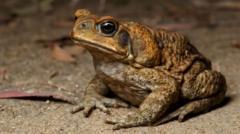
Rio Tinto is investing billions of dollars to create a buffer zone aimed at preventing the toxic cane toad from reaching the Pilbara region in Western Australia, where the company operates iron ore mining operations. This initiative is being implemented in partnership with Curtin University and other organizations to provide 28 million Australian dollars for building a barrier spanning 7,500 square kilometers between the Great Sandy Desert and the Indian Ocean.
The project, scheduled to begin in 2027, aims to cut off water supplies that the toads rely on during dry months by preventing them from reaching dams and other reservoirs. Ben Phillips, a professor at Curtin University, explained that this buffer zone represents a rare opportunity to stop one of the world's worst invasive species and protect the area's unique wildlife before the toads arrive within two decades if no action is taken.
Reports indicate that these toads were introduced to Australia in 1935 to control beetles in the sugar cane industry, spreading westward at speeds between 40 and 60 kilometers per year without natural predators or diseases to control their numbers. Roberta Hunter, a ranger from the Nyangumarta Warren Indigenous protection area, stated that the toads destroy water and animals, adding that when they approach their lands, they intend to stand in front of them to prevent the destruction of the country.
These toads pose a serious threat to the Pilbara ecosystem as they produce deadly toxins for local wildlife such as the northern quoll whose numbers are declining, the gwanua lizard, and ghost birds. This step follows previous criticism faced by the company for destroying sacred rock sites of Aboriginal people over iron ore mines, prompting it to commit to rebuilding trust with Indigenous communities.
Analysis & context
Analysis & Context
From an analytical perspective, this project represents an exceptional environmental intervention combining the mining, academic, and Indigenous sectors to address one of the world's worst invasive species. The collaboration between Rio Tinto and Curtin University reflects a shift in the approach of major corporations toward environmental and social responsibility, particularly after previous scandals related to the rights of Indigenous peoples.
In the broader context, the toads were introduced to Australia in 1935 to control sugar cane beetles but quickly became an enemy of local wildlife due to the absence of natural predators and diseases that regulate their populations. According to the Australian government, these toads have moved slowly across northern landscapes at a rate up to 60 kilometers per year, making the timing of this current intervention critically urgent.
This project offers a unique opportunity to halt the advance of these invasive species and protect endangered local species such as the northern quoll, gwanua lizard, and ghost bats that face danger if the toads reach the Pilbara region. The success of the "containment zone" will heavily depend on the team's ability to implement physical barriers and manage water sources in a harsh desert environment over the next five years.
Professor Ben Phillips from Curtin University noted that without any action, the toads will reach Pilbara within two decades, underscoring the importance of this project as a proactive preventive measure rather than a reactive response after environmental damage has occurred.