Sourced fact
Today's top politics stories
The global political arena witnessed sharp developments today, beginning with the United Nations General Assembly's condemnation of the U.S. embargo on Cuba amidst diplomatic escalation, moving to election results in Israel and Brazil that raise questions about the future of their governments. Reports also shed light on student protests in France and international warnings against excessive use of force, while U.S. opinion polls indicate a potential Democratic victory amid concerns over its impact on European security and transatlantic relations.
UN General Assembly Condemns US Sanctions on Cuba Despite Washington Pressure
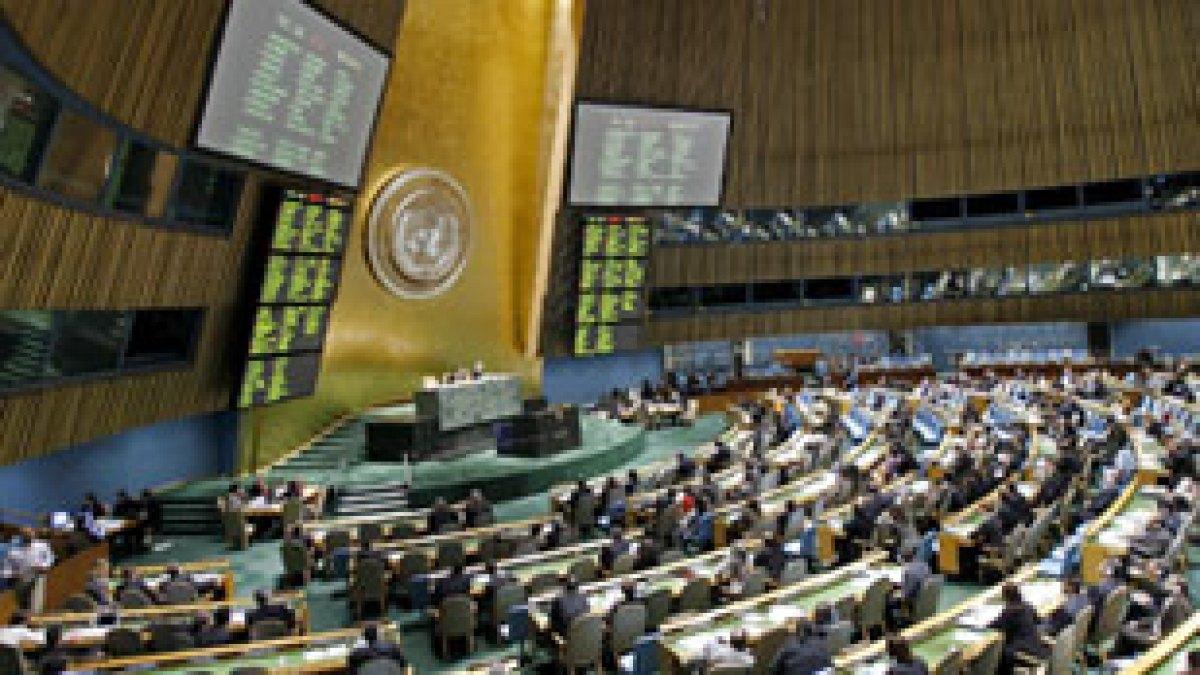
The UN General Assembly voted Wednesday to condemn the U.S.-imposed economic embargo on Cuba, with 130 nations supporting the resolution—including Germany and South Korea—while the United States and Israel opposed it, and 25 other countries abstained. Cuban Foreign Minister Bernardo Rodríguez emphasized that the embargo has lasted over six decades and contributes to deteriorating living conditions, while the session was marked by diplomatic tensions that led to a verbal and physical altercation between representatives of both countries.
Flávio Bolsonaro Arrives in Miami After Losing Brazilian Presidential Election
Brazilian Senator Flávio Bolsonaro arrived in Miami after losing his presidential election on Sunday, amid conflicting reports about his journey from Argentina to the United States. His passports were revoked due to his refusal to surrender them to authorities amidst pending criminal investigations, while Bolsonaro denied any involvement in violations and defended himself by claiming his election was fraudulent and that criminals stole the vote.
Israel Election Results: Netanyahu Leads Without Majority, Arab Party Makes Historic Leap
Preliminary results of Israel's general elections published by BBC News show Prime Minister Benjamin Netanyahu leading his rival Gadi Eisenkot but still lacking the majority needed to form a government. Arab parties achieved a historic leap of 19 seats, making them potential key players in the political balance despite pledges by most Jewish parties not to work with them, while everyone awaits the formation of a new governing coalition after 85% of votes were counted.
Israeli Government Formation Scenarios After Political Standstill Election
Israel currently faces a severe political stalemate as neither Netanyahu's alliance nor Eisenkot's bloc secured the parliamentary majority required to form a government according to BBC News estimates. Possible scenarios include breaking election pledges or holding new elections, while analysis suggests that rising tensions with Iran may push leaders to set aside differences and unite under national unity.
UN Experts Warn Against Excessive Force in French Student Protests
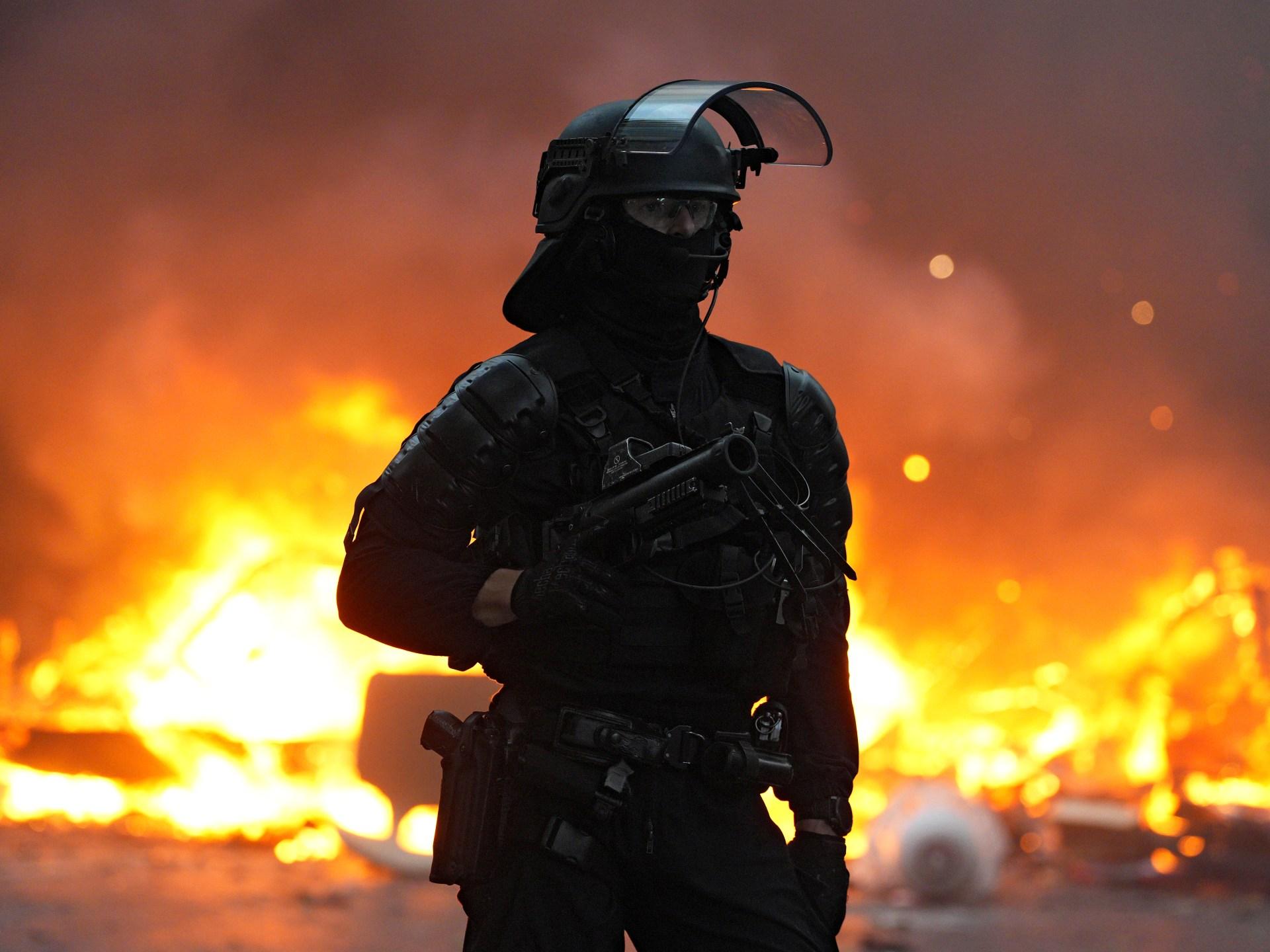
UN experts expressed grave concern over what they described as "excessive use of force" by French authorities while dispersing student protests that recently paralyzed parts of the country. The statement received welcome from protesters who deemed the number of arrests disproportionate, while protests have continued since mid-September due to school conditions and rising living costs, leading to sporadic riots and looting.
Democratic Victory in US Midterms Could Negatively Impact Europe
Midterm election polling results in the U.S. show the Democratic Party far ahead of Republicans, raising questions about how this potential victory might affect the political and security landscape in Europe. Catherine Fieschi notes that a Democratic win could reduce European fears of Marine Le Pen's victory in France, while reports indicate a drop in the percentage of Europeans who consider the U.S. a reliable ally to 31%.
Analysis & context
Reading the day's news
Analytically, these events reveal escalating geopolitical tensions among major powers, as the UN General Assembly's rejection of the U.S. embargo on Cuba reflects decades-long diplomatic struggles between Washington and the Caribbean island. In a broader context, election results in Israel and Brazil indicate sharp democratic shifts that could reshape regional dynamics and affect the stability of incumbent governments amid rising internal and external pressures.
In a wider context, these stories link domestic challenges to their international repercussions, as seen in France where social protests can evolve into security crises requiring UN intervention. Meanwhile, U.S. polling highlights radical changes in European public opinion toward its traditional ally, potentially opening doors for further European autonomy or new tensions with Moscow and Kyiv.
Analytically, these combined events suggest the world is entering a period of political uncertainty where domestic elections intertwine with external conflicts, making future prediction difficult and underscoring the need to monitor developments closely to avoid scenarios that could lead to wider conflicts or the collapse of strategic alliances.