Sourced fact
The News
Israel faces sharp political divisions ahead of the upcoming October elections, but the angry public response to a new document titled "Naza" concerning actions by the Israeli army in the war on Gaza has revealed an issue that unites a significant portion of the political and media elite. The document, produced by directors Yuval Abraham and Rachel Shur, focuses on relatively old allegations that the Israeli military relied on artificial intelligence systems to generate targets in Gaza, leading to the killing of entire buildings' worth of civilians to kill just one individual identified by the systems.
While some accusations such as committing genocide or deliberately causing famine have not previously received significant attention within Israel, the "Naza" document triggered a series of fierce attacks from across the country and brought these allegations into the core of political discourse. Culture Minister Miky Zohar responded to the documentary's premiere at the Venice Film Festival by welcoming it with great enthusiasm, calling for the revocation of the directors' citizenship and investigation by the internal security service on charges of treason.
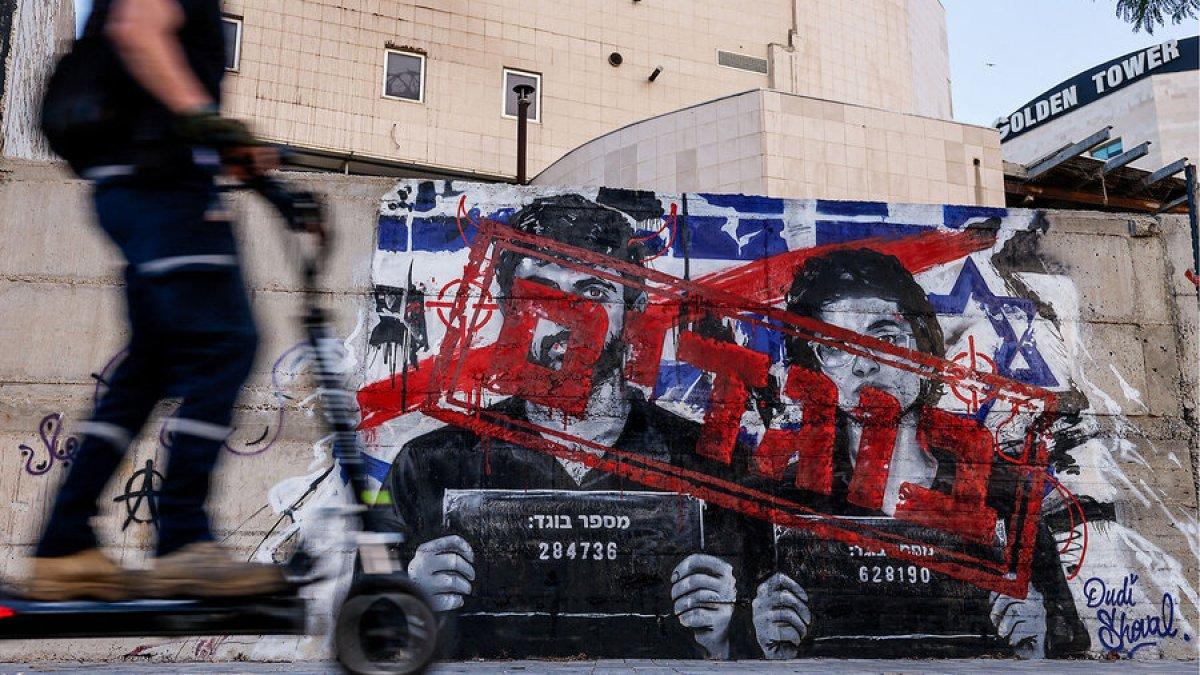
Chief of Staff Eyal Zamir also rejected the document, describing it as built on "bloody lies" and ordered a legal investigation to arrest sources from the army and intelligence that relied on it. Meanwhile, Prime Minister Benjamin Netanyahu cited the document to push legislation for revoking citizenship from anyone considered to be defaming Israel's soldiers, while graffiti depicting the directors as "traitors" appeared in the coastal city of Ashdod.
Analysis & context
Analysis & Context
Analytically, this intense anger reflects a dangerous shift in the general climate within Israel, where discussions about the war are turning into adversarial rhetoric that transcends traditional boundaries between government and opposition. Reports indicate that major media outlets have not investigated the army's conduct during the war and rarely covered the war from a Palestinian perspective, contributing to a large gap between reality on the ground and public perception within Israel.
In the broader context, deep national narratives play a major role in shaping public opinion, where Palestinian deaths are presented as an unavoidable collateral damage resulting from enemy tactics rather than as a direct result of Israeli behavior. This intellectual framework makes it difficult for many within Israeli society to accept any claims criticizing the army's performance or questioning the ethics of war, even when supported by evidence.
The concerns of journalists and editors like Orly Noe stand out regarding the transformation of media and politicians into a machine of incitement, where they attack the documentary's directors and their family acquaintances instead of defending freedom of expression. This shift indicates an erosion of trust in democratic institutions and a rise in levels of fascism felt by ordinary citizens toward colleagues and journalists who were expected to show solidarity.
Finally, with elections approaching, these tensions intensify as even opposition parties to Netanyahu join in harshly criticizing the directors, reflecting a strange unity in attacking the document despite differences among other political parties. This gathering around rejection of the document reveals the depth of moral and political division threatening the stability of the Israeli scene before the scheduled elections.