Sourced fact
The News
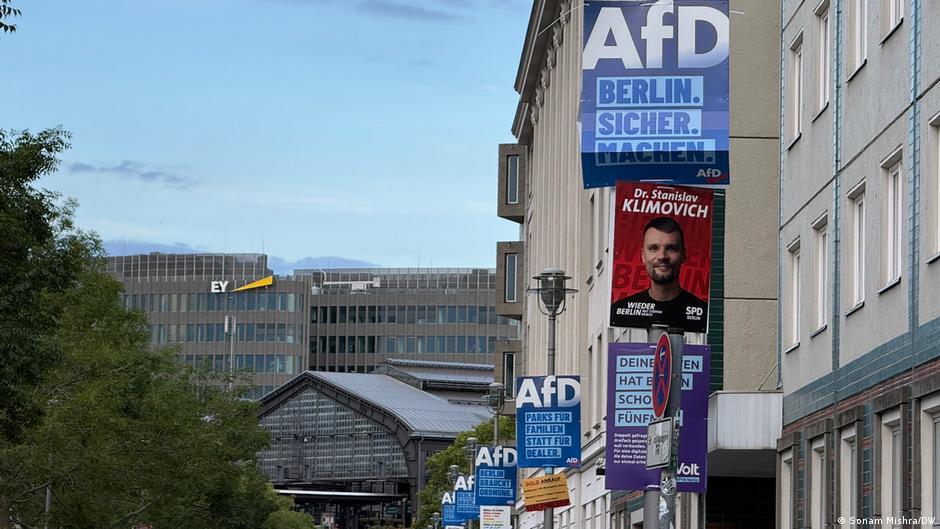
German capital Berlin is facing a severe demographic and political crisis as the state elections scheduled for September 20 approach, where one quarter of the city's population—numbering 3.9 million people—is denied voting rights due to lacking German citizenship. This figure represents approximately 976,000 adults, which is double the number compared to 2011, making these state elections the most exclusionary for large groups of residents compared to municipal elections in other cities such as London or Madrid.
Abdo, an Egyptian software developer living in Berlin for seven years, explains that his trust in the city stems from its diversity and its residents' interest in life beyond just work. However, he expresses strong dissatisfaction with complex bureaucracy that hinders starting businesses and rising rental prices. Abdo points out that despite paying taxes, he has no political representation influencing decisions directly affecting his life, such as cuts to health allocations and German language courses.
Data reveals that Berlin differs from other European cities because it is a federal state rather than just a municipality, imposing strict voting rights restrictions limited to only German citizens in these state elections. In an attempt to fill this void, Green Party leader in the Mite district, Stefanie Riemlinger, organized a symbolic election for non-citizens to raise awareness about the voting rights issue, expecting limited participation due to the anti-migration political climate.
Analysis & context
Analysis & Context
From an analytical perspective, this situation reveals a structural gap in the German political system where the nature of state elections (Staatliche Wahl) prevents non-citizens from participating, even if they are legal residents and have paid taxes for many years. This differs radically from systems such as those in the United Kingdom or Spain, which allow permanent residents or European Union citizens to vote in specific local elections, highlighting the unique nature of the German federal system in Berlin.
In a broader context, this situation reflects a political shift towards the right in Germany, where anti-migration parties are sweeping the political landscape and influencing the general atmosphere even in global capitals like Berlin. This indicates the difficulty of achieving immediate legislative reforms to expand voting rights, prompting many foreign talents to seek job opportunities in other countries or consider leaving the country entirely.
It also highlights the demographic challenge facing Germany, where the government expects a shortage reaching 440,000 workers by 2029, making attracting foreign talent vital for the economy despite current political restrictions. Accelerating citizenship grants after five years of residence is considered a positive step but does not solve the issue of immediate exclusion in upcoming elections.
Finally, initiatives such as Mite's symbolic election highlight the importance of recognizing the cultural and social identity of foreign residents even without granting them formal voting rights, contributing to building bridges of social integration despite existing legal and political difficulties.