Sourced fact
The News
American media outlets avoided reporting this week that the US administration, specifically the Department of Defense under Secretary Pete Hegseth, is studying a radical plan to reduce its military presence on the European continent. This assessment came after several European countries refused permission for American forces to use their air bases to launch military operations against Iran, an action described by US officials as "shameful."
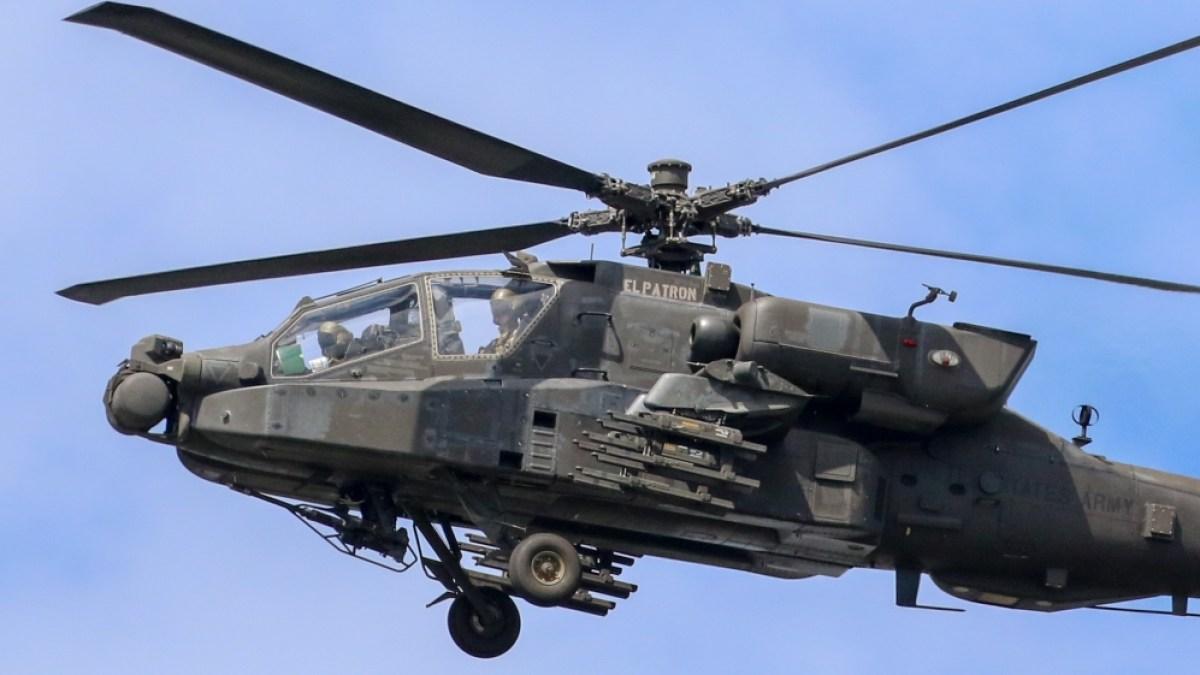
According to NBC News, citing security sources, senior Pentagon leaders are expected to present detailed plans to Defense Secretary Hegseth in the coming days. These plans include multiple options ranging from withdrawing one-third of the current US forces stationed in Europe—numbering approximately 68,000 soldiers—or withdrawing a smaller number reaching up to 40,000 personnel along with aircraft, ships, and military weaponry.
Hegseth stated at an NATO meeting in Brussels that allies' decision to deny American forces access to air bases puts American citizens in danger. He added that these countries are endangering their own children by denying them expected access and air bases that should not be subject to any doubt whatsoever. The minister indicated he expects a final decision on these options to be made by November 6 next, with special focus on forces stationed in Germany, Italy, and Spain.
Analysis & context
Analysis & Context
Analytically, this development represents a fundamental shift in the deterrence strategy that Europe has relied upon for decades through its partnership with Washington via the North Atlantic Treaty Organization (NATO). Reliance on US nuclear power was the cornerstone of preventing any potential Russian attack, but the deterioration of relations between some European capitals and Washington over the past year weakens this traditional security barrier.
In the broader context, this discussion coincides with the continuation of Russia's war in Ukraine and an escalation of sabotage threats against European territories, which countries like Germany recently warned about. Additionally, trade and political disagreements between the US and the European Union, including the imposition of tariffs and demands for increased defense spending by former President Donald Trump, have contributed to tensions in security and strategic atmospheres.
Experts point out that withdrawing US forces may send wrong signals to Russia and reduce Washington's ability to project power through Europe, while European allies lose part of the nuclear protection umbrella they heavily relied upon. Furthermore, redeploying forces toward the alliance's eastern flank may not be as concerning if European countries like Germany and France rapidly enhance their military capabilities.
Finally, this analysis expands the circle of impact to include other US allies in the Asia-Pacific region, where Taiwan faces increasing difficulties in relying on Washington while US military assets are diverted toward conflicts in the Middle East.