Sourced fact
The News
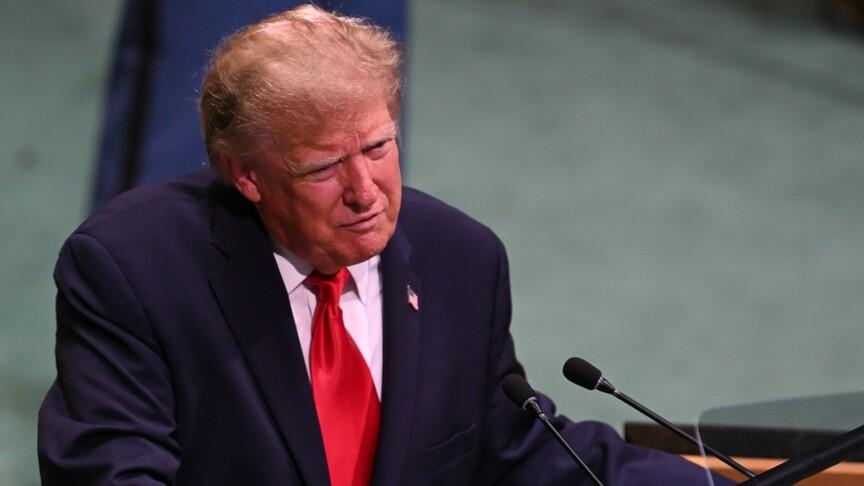
The Wall Street Journal reported that U.S. President Donald Trump rejected Iran's offer of a seven-day ceasefire, declaring his intention to launch new military strikes immediately after the completion of the mid-term elections in November next year. According to the newspaper, the U.S. president informed his aides that he expects new attacks following the finalization of the elections, while official sources confirmed Washington's refusal to lift the naval blockade on Iranian ports.
This peaceful offer was put forward by Iranian negotiators through intermediaries in Qatar, where they proposed reopening the Strait of Hormuz and resuming nuclear talks in exchange for ending the U.S. naval blockade. However, sources familiar with the matter told the Wall Street Journal that U.S. officials informed Tehran and the intermediaries that there is no plan to lift this blockade, believing that continued economic pressure will inevitably force Iran to reach an agreement on Washington's terms.
The newspaper indicates that President Trump analyzed diplomatic initiatives, military actions, and economic pressures over the past seven months of the war, expressing his internal doubts about Tehran's ability to agree to dismantling its nuclear program despite public claims of Iran's desire to reach a deal after the elections. The newspaper also added that Iran's Islamic Revolutionary Guard Corps rejected the new settlement terms, declaring its readiness to return to elements of the initial June agreement and move toward a prolonged conflict.
Analysis & context
Analysis & Context
From an analytical perspective, this stance reflects Washington's continued strategy of relying on economic isolation as the primary means to force Iran into negotiating from a position of weakness, rather than through direct diplomacy or lifting sanctions. U.S. officials' statements in the Wall Street Journal reveal that the American administration views sustained pressure as the optimal solution to achieve its nuclear and security objectives without needing a fundamental change in its foreign policies toward Tehran.
In a broader context, rejecting the ceasefire offer represents a continuation of high tension in the region since the start of the current war, as Iran seeks to maintain its sovereignty and political independence despite immense international pressures. The Revolutionary Guard Corps' statements about readiness for prolonged conflict indicate that the Iranian side is not inclined to compromise on its basic principles or return to previous agreements that may be politically or security unacceptable to Iran's current leadership.
This development also underscores the continued role of the United States as a superpower attempting to impose its will on the region through a mix of military threats and economic pressures, thereby intensifying regional tensions and affecting the stability of neighboring Gulf states. Reopening the Strait of Hormuz is a pivotal point in any future negotiations, as this vital passage represents a key element for global economic security and world energy supplies.