Sourced fact
The News
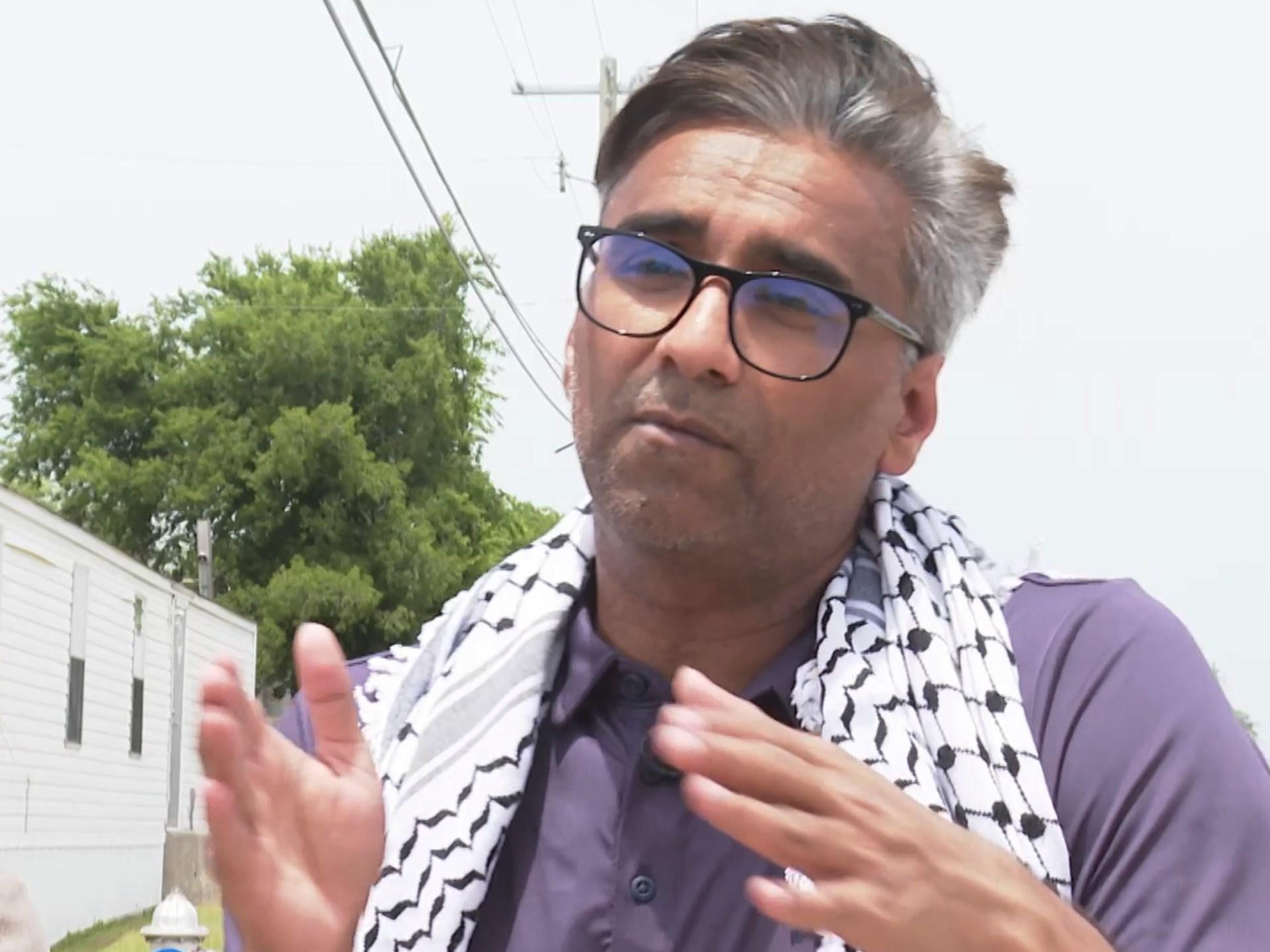
The Trump administration has requested that the U.S. Supreme Court overturn the decision to release an American-born university researcher named Badr Khan, a Syrian national who advocated for Palestinian rights and condemned Israel's war on Gaza. This request comes after a district court granted his release in May 2025 based on claims that his detention violated his constitutional rights to free speech and due process.
Khan, a citizen of India (as per the original Arabic text), was arrested by U.S. immigration officers in March 2025 amid a campaign targeting pro-Palestinian activists on campuses. Critics of the administration at the time alleged that Khan was threatened due to family connections, noting that his wife is the daughter of Ahmed Yousef, a former advisor to former Hamas leader Ismail Haniyeh.
Federal government attorneys led by Dr. John Sauer urged the Supreme Court to intervene, arguing that the release decision threatens the enforcement of immigration laws nationwide. Sauer stated that allowing detainees to bypass immigration courts and challenge their detention in federal courts is "practically catastrophic," pointing out that this ruling conflicts with another appellate court precedent that released a different Palestinian activist.
Documents indicate that the Fourth Circuit Court of Appeals in Virginia ruled in July that there is no barrier to hearing unconstitutional detention challenges even if they are part of suspended deportation proceedings. Conversely, the Third Circuit Court of Appeals decided in January that district courts lack jurisdiction to hear such cases while deportation proceedings are ongoing, thereby weakening fundamental procedural safeguards.
Analysis & context
Analysis & Context
Analytically, this request highlights the growing tension between branches of the U.S. government, particularly between the executive branch and the judiciary under the Trump administration. This dispute represents a critical test of how the U.S. Constitution is interpreted regarding the rights of foreign residents and political activists within the country.
In a broader context, Khan's case emerges as part of a wider wave of detention and legal persecution targeting Palestinian activists on American campuses since Trump took office. Reports indicate that these campaigns have specifically targeted individuals with family ties to Hamas leaders or other Palestinian factions.
This situation also reflects the legal contradiction facing the U.S. judicial system, where different federal courts have issued conflicting rulings on their jurisdiction in immigration and detention cases. This complex legal landscape could lead to instability in the application of immigration laws nationwide.
Finally, this case raises questions about the extent to which constitutional rights are protected for foreigners in the United States, especially when they conflict with the mass deportation policies adopted by the current administration.