Sourced fact
The News
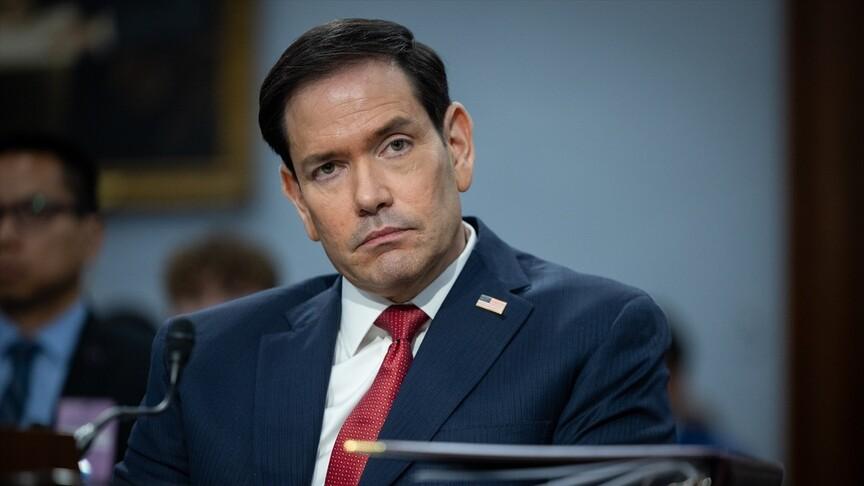
On Monday, U.S. Secretary of State Marco Rubio gathered with Canadian and Northern European foreign ministers in New York to discuss security and investment issues in the Arctic region, during the activities of the United Nations General Assembly. The U.S. Department of State confirmed that these meetings reinforced the strategic need for continued joint investment among allies to face mutual challenges in the region.
Spokesperson Tommy Bahgot indicated that Rubio met with high-level representatives from Canada, Denmark, the Faroe Islands, Finland, Greenland, Iceland, Norway, Sweden, and other Arctic nations. The discussions covered ways to assume additional security responsibilities by developing sovereign military and economic capabilities, as well as ensuring investments in critical crisis-resistant infrastructure.
Rubio also highlighted the "Broken Ice Agreement" between the United States, Canada, and Finland as a model for industrial cooperation and burden-sharing, emphasizing its strengthening thanks to President Donald Trump's commitment to significantly expanding the U.S. icebreaker fleet. In a separate context, Rubio met with Bolivian President Rodrigo Paez to discuss regional economic stability and security cooperation against terrorist groups that use drugs.
Both sides welcomed Paez's efforts to support his country's economic stability through support for the International Monetary Fund and reforms in fuel, mining, and energy sectors to improve the investment climate. The leaders emphasized continuing joint work to achieve tangible results for both peoples and make their countries more secure, strong, and prosperous amidst current geopolitical challenges.
Analysis & context
Analysis & Context
From an analytical perspective, this meeting highlights a strategic shift in dealing with the Arctic region as a sensitive geopolitical area requiring intensive military and economic coordination among Western allies. The focus on deterrence against strategic competitors reflects growing geopolitical tensions in polar regions experiencing ice melt and opening of new trade routes.
In the broader context, the "Broken Ice" agreement represents a qualitative step to enhance industrial cooperation between the United States and Scandinavian countries, combining military and civilian aspects to ensure regional sovereignty. This model of burden-sharing could serve as a template for cooperation in other areas facing similar logistical and security challenges.
Regarding the meeting with the Bolivian president, it reflects Washington's priority to strengthen political and economic stability in Latin America to counter terrorism and drug threats. Supporting Bolivia through the International Monetary Fund and reforming vital sectors is part of a broader strategy to ensure global energy supply and strategic resource security.
This diplomatic gathering shows that polar issues and economic issues in the global south have become interconnected in the U.S. foreign policy agenda, as Washington seeks to link national security with sustainable investment and regional cooperation.