Sourced fact
The News
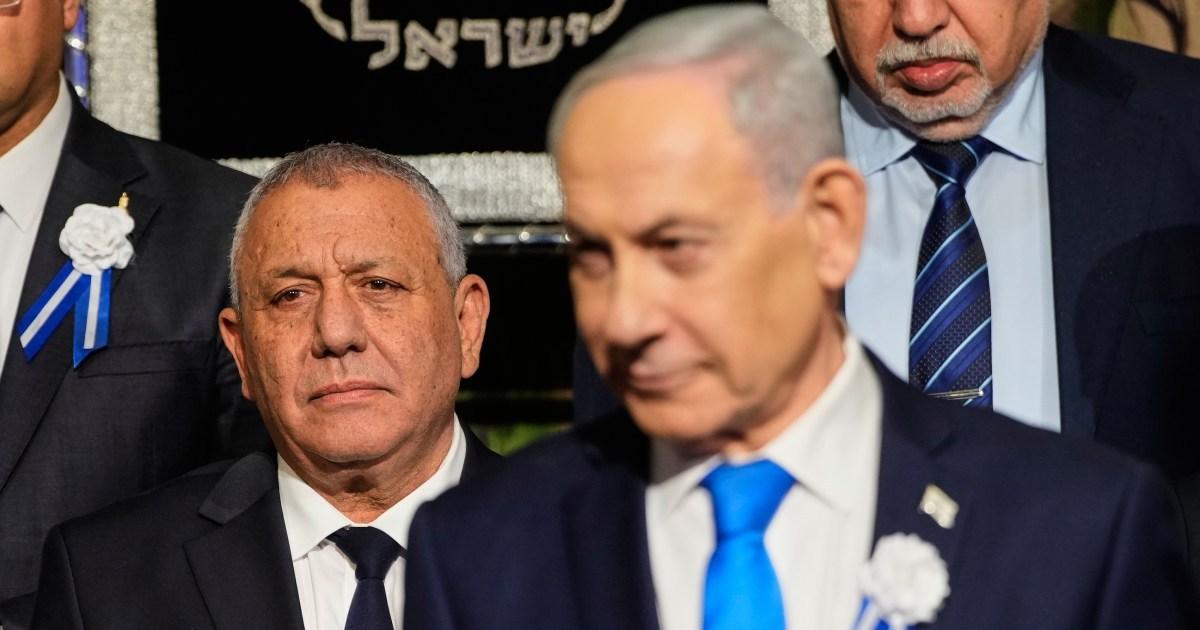
Interim Israeli Prime Minister Benjamin Netanyahu announced his willingness to alternate the head of government role with Gadi Eisenkot as part of a national unity government, according to Al Jazeera. The leader of the Yesh Atid party, Gadi Eisenkot, agreed to hold urgent talks to discuss the broad outlines of basic policies based on a proposal submitted by Netanyahu. However, Yair Golan, leader of the Democratic Front, rejected the proposal, describing it as a trick and deceptive tactic, while Yousef Jabrbin called for the current government's collapse within the coming week, according to the Palestinian news agency Wafa.
Analysis & context
Analysis & Context
From an analytical perspective, the attempt to form a national unity government in Israel reflects increasing internal political pressures aimed at stabilizing the political landscape and avoiding repeated governmental collapses that harm the economy and social stability. Historically, coalition governments in Israel have been short-lived, often ending due to sharp disagreements between parties over sensitive files such as internal security, land issues, and settlements.
In a broader context, the challenges facing US President Donald Trump regarding online free speech highlight a global debate about the limits of government authority in regulating social media platforms and protecting civil rights in the digital age. Issues involving subpoenas and revealing user identities present significant legal and ethical challenges that affect the relationship between the executive branch, major technology companies, and the general public.
Regarding other international events such as the trial of former Philippine President Rodrigo Duterte and attempts to form governments in Thailand and Australia, these point to a wave of political unrest and democratic shifts across the world that require continuous monitoring to understand their implications for the international system.