Sourced fact
The News
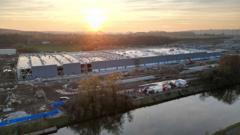
American company Google has announced the suspension of construction work on its artificial intelligence data center in the Belgian town of Farsies, pending "further instructions" from local authorities. According to BBC News, this move follows accusations by Belgian officials that the company engaged in "illegal construction" of the facility; Google denied possessing the correct planning permit required to complete the project.
In a statement, Google said it has been operating in Belgium for over 15 years and remains committed to complying with local laws. Meanwhile, Nicolas Yernaux, spokesperson for the Walloon government, described the company's lack of a permit as a "major crime." The case has entered the litigation phase months ago after Google requested changes to its planning permit conditions, specifically switching the cooling system from air-based to water intake from the adjacent Sambre River.
Regional officials rejected this request despite construction continuing on-site, raising concerns among local residents and environmental organizations. Jouri Ties from Greenpeace Belgium stated that Google's continued construction without a permit is an "insult to the environment, local people, and the law," warning that the consequences of the climate crisis will worsen and that building energy-intensive data centers cannot proceed unnoticed.
A court hearing is scheduled for early next year to consider the case. Meanwhile, statistics from a data center map indicate there are approximately 54 data centers in Belgium compared to over 5,200 in the United States, which leads the world in this sector. The legal row comes as global backlash against data centres grows over environmental concerns.
Analysis & context
Analysis & Context
From an analytical perspective, this dispute highlights the intensifying tension between the urgent need to expand artificial intelligence infrastructure and strict adherence to environmental and planning laws in Europe. Belgium is part of a European network moving towards tighter regulation on energy consumption, especially as there is growing reliance on electricity that partially depends on fossil fuels to power these massive centers.
In the broader context, data indicates that the proliferation of data centers has become a hot topic during US midterm elections, where officials in states won by Democrats have called for stricter regulations. This trend reflects a wider political and social shift linking rapid technological advancement with growing environmental anxiety among the public and legislators worldwide.
The figures show that there are approximately 13,500 data centers operating globally, making legal regulation and environmental sustainability a global challenge rather than just a local one. This situation underscores how major technology companies face increasing pressure to adjust their plans to fit local standards, which may sometimes be stricter than their initial expectations.