Sourced fact
The News
Polish Prime Minister Donald Tusk announced that three recent deadly attacks in Polish schools were inspired by "incitement to violence" online. The attacks resulted in one death and injuries to others, including students. According to Tusk, these attacks are often spontaneous acts motivated by activities on the internet. Across the country, 117 individuals have been arrested for possessing weapons or threatening to carry out attacks on schools or fellow students.
Tusk noted that the attacks are not linked to any large-scale group but are individual acts of violence associated with the far-right. The police have observed an increase in online searches for Nazi content and mass murderers who have become internet icons. In an attack that occurred on July 20, nine people were injured at a vocational school in the Masovian province, while a security guard was killed in another attack the following day.
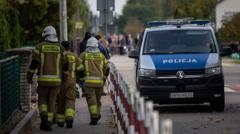
In response to these attacks, thousands of police officers visited schools across the country to reassure students. Security services also convened an extraordinary meeting after receiving information about a potential attack on Prime Minister Tusk and the Minister of Defense. A spokesperson for the security services stated that the threat was considered "extremely dangerous."
Analysis & context
Analysis & Context
Analytically, Tusk points to a recent increase in interest in violence, noting a rise in online searches for Nazi content and war criminals. This trend indicates a growing right-wing extremism and its impact on youth. Tusk also highlighted that some of those arrested are active in the far-right environment. This trend raises significant concerns about school security and the internet's influence on violent behavior. In a broader context, Poland faces challenges in combating online extremism and protecting students from violent attacks.