Sourced fact
The News
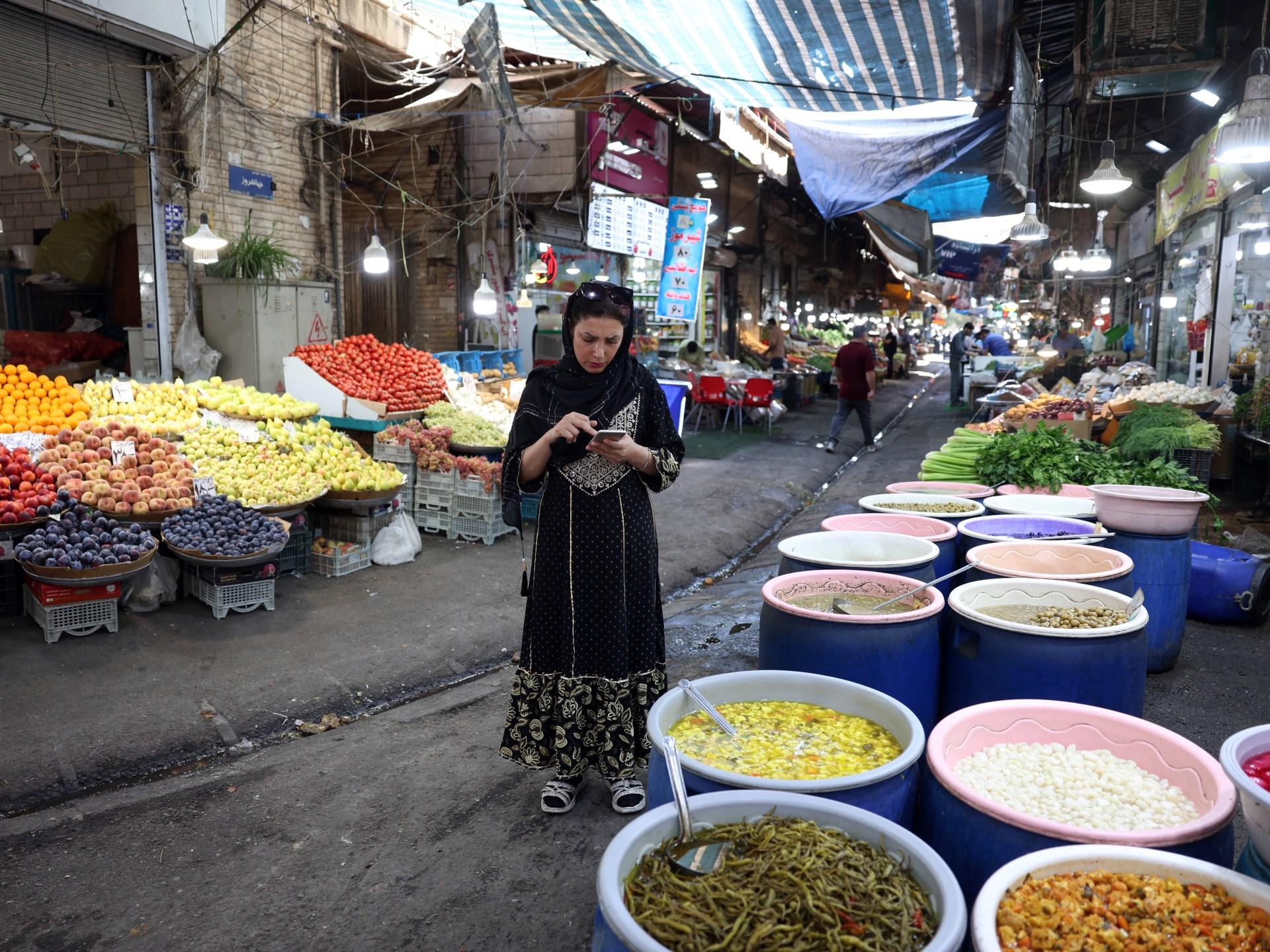
The Iranian economy has suffered a sharp collapse amidst the US-Israel war against it, with the gross domestic product contracting by 10.1 percent in the first quarter of the Persian calendar compared to the same period last year. Official data released by Iran's Statistical Center indicates that this contraction occurred while the United States intensified economic and military pressure on Tehran following the start of operations on February 28.
The oil and gas sectors bore the brunt of this crisis, with crude oil and natural gas activity contracting by 26.4 percent, while the non-oil sector declined by only 4.6 percent. Damage also affected the industry and mining sector, which contracted by 14.7 percent, and the services sector, which fell by 4.8 percent; meanwhile, the agricultural sector was the only one to grow, increasing by 2.3 percent.
Iranians are facing increasingly difficult challenges in exporting oil due to the US naval blockade, which led to a drop in crude shipments from two million barrels per day in March to about 740,000 barrels in July and then to less than a quarter of a million in August. Additionally, approximately 29 tankers carrying over 36 million barrels of crude oil were blocked in the Strait of Hormuz according to TankerTrackers.com reports, while floating Iranian oil reserves dropped from 135 million barrels to 107 million barrels over two months.
Iranian President Masoud Peryeshian stated that total trade fell between 25 and 35 percent on September 25, with imports affected more than exports. Meanwhile, Iranian security official Mohsen Rezaei linked ending the war to unfreezing funds and lifting the naval blockade. US Treasury Secretary Scott Bessent also announced a new economic pressure campaign targeting Iran's revenue sources to prevent global commercial dealings with it.
Regarding diplomatic efforts, Rezaei confirmed that Tehran has offered a set of formal conditions through Qatari intermediaries to end the war, while Pakistan's Interior Minister Mohsin Naqvi visited Tehran to discuss shared files. Analyst Christophe Beuchamp noted that the 10 percent GDP decline signals Washington's success in applying economic pressure, but the question remains about Iran's ability to withstand this collapse compared to the US capacity to absorb rising energy costs.
Analysis & context
Analysis & Context
From an analytical perspective, these figures indicate the success of the American economic campaign in inflicting tangible damage on the Iranian economy by isolating it from global markets and restricting the flow of oil revenues. Although the Iranian regime insists on its defensive stance and declares readiness for negotiations, the deep economic contraction adds further pressure on Iran's leadership to evaluate its options between continuing confrontation or seeking urgent diplomatic solutions.
In a broader context, this deterioration is part of a long-term economic war aimed at breaking Iran's ability to fund its nuclear programs and regional operations. Qatari and Pakistani mediation play a pivotal role in attempting to reopen dialogue channels, as Tehran offers specific conditions including ending the naval blockade and unfreezing funds as a step toward negotiation.
Market analysis shows that continuing the war could exacerbate global energy costs if military operations persist in the strait, making regional stability a shared interest for the United States and energy-consuming nations. Additionally, US officials' statements about targeting Iran's financial interests globally point to a strategic shift from relying on unilateral sanctions to comprehensive economic campaigns involving the international financial sector.
Finally, the greatest challenge facing both parties lies in reconciling hardline positions with the difficult economic reality that demands a reevaluation of strategic options. Analysts have noted that the nature of modern wars relies heavily on the patience of the parties involved and their ability to bear economic burdens, making any diplomatic progress directly linked to easing economic pressure on both sides.