Sourced fact
The News
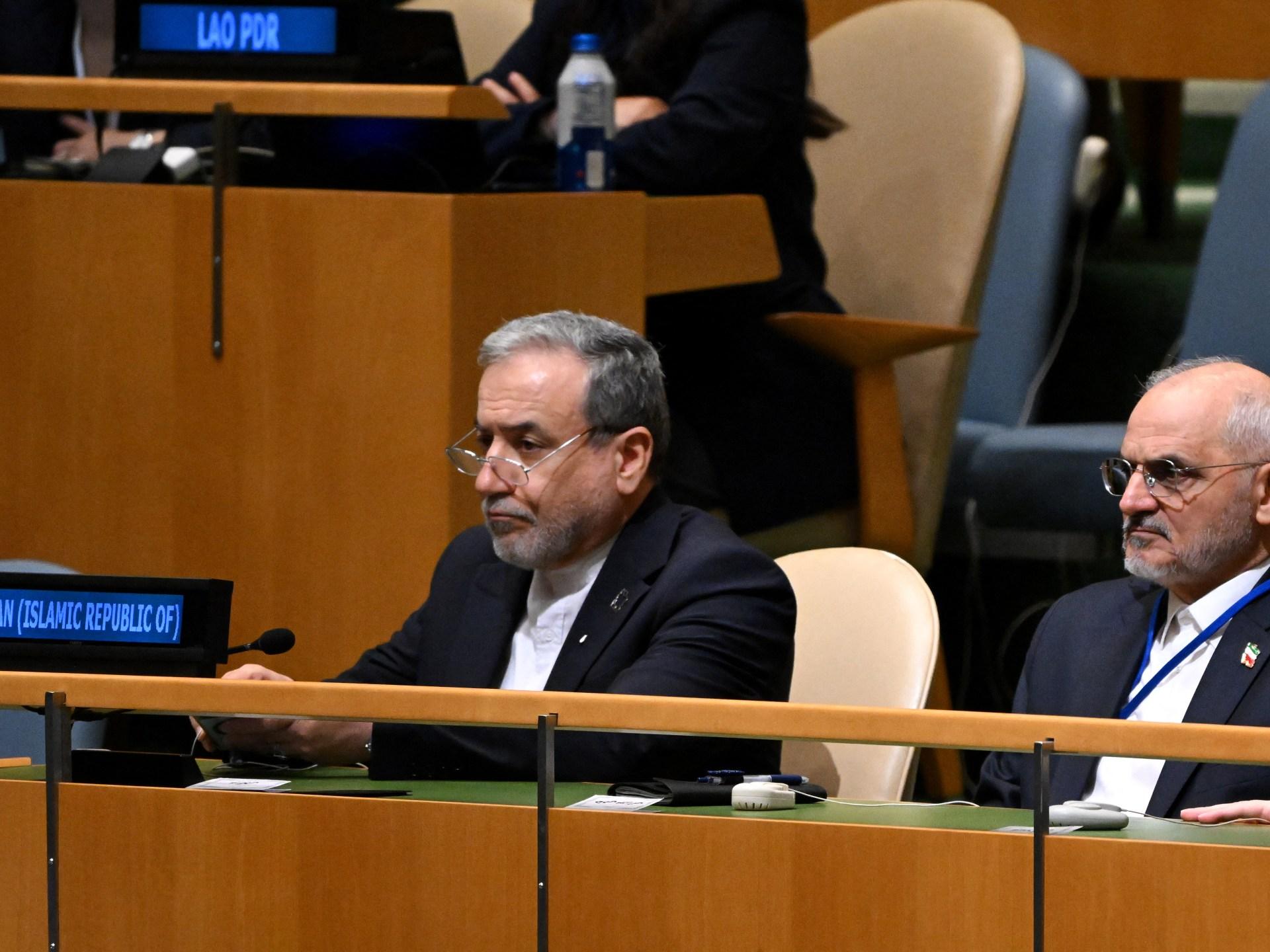
Iran has announced a new plan for the United States aimed at reopening the Strait of Hormuz within seven days, amidst Qatar's efforts to facilitate communication between the two countries at the UN General Assembly in New York. This announcement came after Iranian Foreign Minister Abbas Araghchi described their indirect communications as positive on the sidelines of Thursday's meetings, despite no tangible diplomatic achievement being reached as war approached its seventh month.
The Iranian plan, submitted via intermediaries, calls for opening the stratum immediately upon Washington receiving the offer, allowing peaceful talks to resume after just one week. Araghchi likened this measure to the understanding signed in June/June which eased tensions for a limited period before collapsing, but noted that the Iranian side has shortened the timeline and altered the sequence of events compared to the previous stage.
The Iranian party demands a cessation of fighting on all fronts, including Lebanon, lifting of the US naval blockade, exemption from oil sanctions, and release of frozen assets before reopening the strait. In contrast, US officials believe the nuclear file should be the immediate focus of discussion rather than separating it from other issues, considering that the blockade and sanctions are working effectively and need not be lifted.
Analysts indicate that the public announcement of the plan at the UN comes as political pressure on President Trump ahead of upcoming elections that could affect fuel prices. Some also view Iran using this timing to exploit American election concerns regarding rising energy costs, while Trump insists his decision not to allow Iran to produce nuclear weapons is unaffected by election results.
Araghchi clarified that once Washington accepts the plan, the day counter starts immediately for the strait to resume operations after a week of comprehensive ceasefire. Conversely, US Secretary of State Marco Rubio stated it would not be correct to describe the meeting as a major breakthrough, reflecting the gap between Iranian expectations and American realism.
Reports indicate that the US administration is unprepared to restore the previous understanding because it believes its naval blockade and harsh sanctions achieve their economic and security goals. Researcher Burcu Oztilik also noted that each party operates under different assumptions about the amount of pressure they can deploy against the other, complicating any chance of reaching a comprehensive agreement in the near future.
Analysis & context
Analysis & Context
From an analytical perspective, the Strait of Hormuz represents a strategic red line for Iran that cannot be compromised economically or politically. Opening the strait is considered the only means for Iran's economy to recover from the effects of sanctions and the naval blockade imposed by the US and its allies. Furthermore, controlling this vital oil and gas corridor gives Tehran immense influence in global markets, making it reject any arrangement placing it in a weak position vis-à-vis the West.
In the broader context, the fundamental divergence between both parties' assumptions about their capacity to pressure each other emerges. The US administration, led by Secretary of State Marco Rubio, believes that the naval blockade and harsh sanctions achieve their goals and waits until Tehran is ready to make substantive concessions. Meanwhile, Iran remains rigid despite negative economic indicators, considering that any agreement must begin with lifting the blockade rather than the reverse.
Electoral considerations also play a pivotal role in this file, as Trump attempts to present a deal to lower energy prices before mid-term elections to boost Republican chances. However, experts doubt the viability of this plan because Washington does not wish to dismantle issues into separate parts but prefers handling them as a package including the nuclear file and regional borders.
Finally, analysis indicates that continued tension reflects mutual distrust between the two countries, where US officials believe Iran is waiting for US election results before taking its final stance. This reality makes the likelihood of reaching a quick agreement in the near future weak, especially with Trump threatening to "destroy the Islamic Republic" if he rejects the plan or if war continues.