Sourced fact
The News
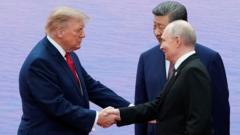
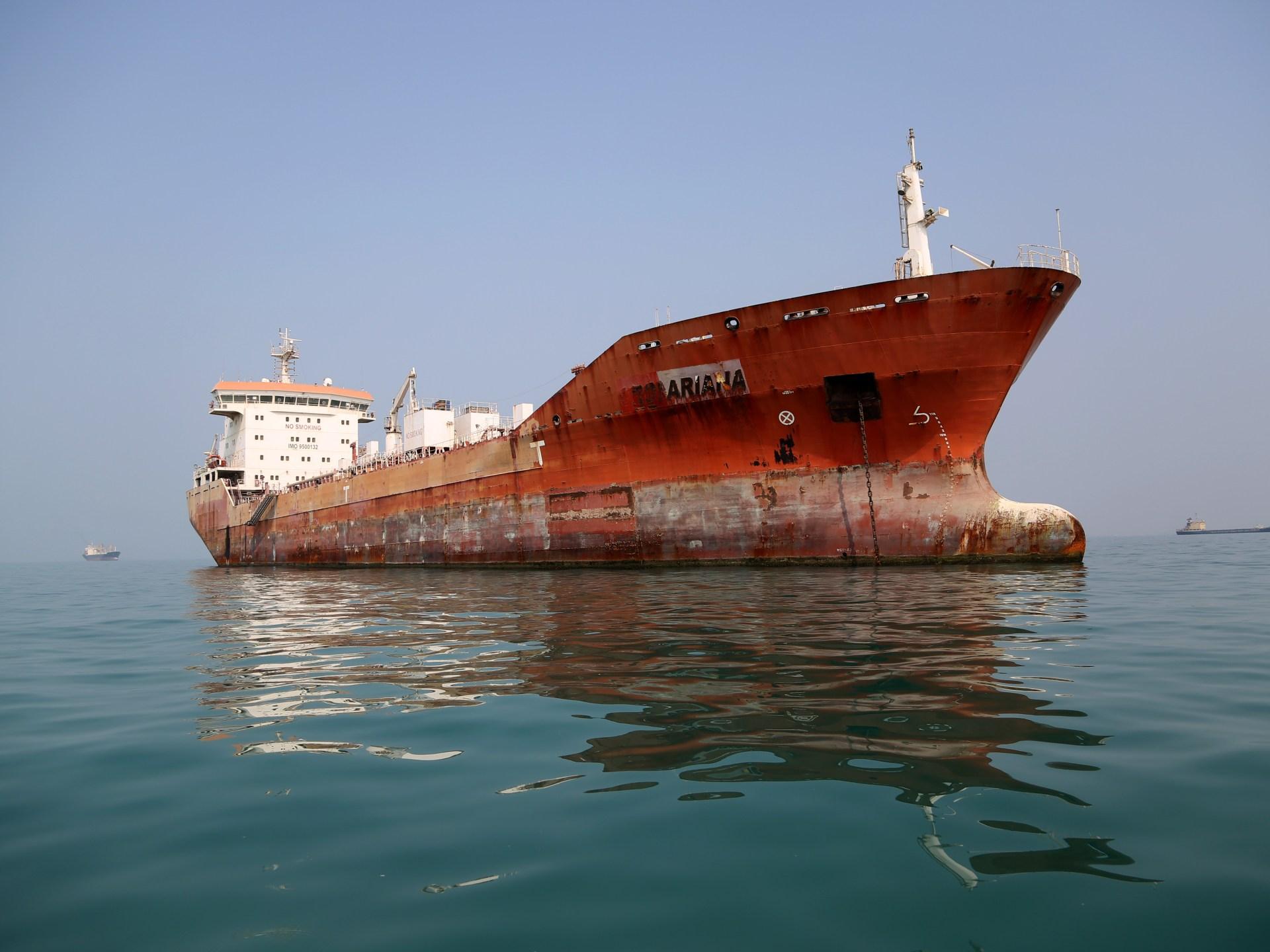
Qatar News Agency reported that Iran has offered a seven-day roadmap to end its war with the United States, in a move aimed at halting hostilities and reopening the Strait of Hormuz. Iranian Foreign Minister Abbas Araghchi outlined the details of this plan to journalists in New York on Thursday, while US media outlets indicated that the proposal was passed to Washington via intermediaries at the beginning of the current week. The plan aims to implement provisions of a memorandum of understanding agreed upon by Tehran and Washington last June, which includes a ceasefire and reopening of the vital maritime passage.
During this seven-day period, Iran has demanded that the United States resume ceasefire negotiations and lift the embargo imposed on the strait, which significantly impacts global oil, gas exports, and the world economy. In return, Tehran has requested that Washington release its frozen assets, valued at over $12 billion, in addition to lifting sanctions on Iranian oil and ending the naval blockade. The plan also stipulates that the Strait of Hormuz will be reopened on the last day of the specified period, and immediate negotiations will begin regarding Iran's nuclear program, which President Donald Trump described as the root cause of the conflict.
Abbas Araghchi clarified that the Iranian side presented the plan to the United States through intermediaries, while Iranian President Masoud Pezeshkian stated in an interview with a US channel that the Trump administration must choose between ending the war or continuing it. Pezeshkian added that Iran does not wish to continue fighting and that Israel has imposed this war on it through its constant incitement, noting that the solution lies in dialogue rather than killing each other. He also stated that any agreement with the United States will not be tied to the timing of the US midterm elections scheduled for next November.
The new plan resembles the previous memorandum of understanding signed under the sponsorship of Pakistan and Qatar on June 17, but it sets a very ambitious timeline compared to the previous version, which collapsed within weeks. Analysts believe that the wording of the earlier memorandum was ambiguous, leading to disagreements over who controls shipping through the strait and the exchange of attacks before President Trump declared the agreement ended on July 7. One of Iran's security families confirms that there is room for further diplomatic interaction if the required conditions and commitments from Washington are met, while political history professor Cyrus Shahi believes that the situation has not changed fundamentally and that negotiations are not advancing significantly before the midterm elections.
Analysis & context
Analysis & Context
From an analytical perspective, Iranian President Masoud Pezeshkian's pledge that it is up to the United States to choose between ending the war or continuing it reflects a shift in Iranian diplomatic rhetoric toward demanding an explicit US initiative to end the conflict. It appears that Tehran is trying to leverage the pre-US midterm election period in November as diplomatic pressure, while emphasizing Iran's lack of desire to continue fighting, especially with ongoing Israeli incitement.
In a broader context, unnamed US officials' statements indicate positive discussions via intermediaries, but American caution regarding rushing into a deal could hinder the implementation of the seven-day plan. Analysts confirm that the lack of significant progress in diplomatic efforts stems from differing interpretations over control of navigation in Hormuz and mutual commitments that failed to be agreed upon during the previous June memorandum.
Iran's stance of refusing to "bow" to Washington despite their willingness to negotiate highlights the complexity of the diplomatic scene, where the United States rejects Iran's current roadmap. Qatar played a key mediating role in previous negotiations through Sheikh Mohammed bin Abdulrahman Al Thani, who recently communicated with Pezeshkian to discuss dialogue terms and escalate de-escalation efforts.
The expiration of the memorandum of understanding in August marks a critical turning point, where each side accused the other of violations, leading to escalating tensions until President Trump declared the agreement ended in July. The US midterm elections remain a decisive factor that could determine the future of any potential agreement before or after their conduct, according to analysts who indicate that the current situation will not change radically without new political pressure.