Sourced fact
The News
India has agreed to export electricity to neighboring Nepal to help it overcome the power shortage caused by the devastating floods that destroyed hydroelectric infrastructure last month, according to Al Jazeera. On Monday, India's Ministry of Power announced in a statement that it will transfer up to 654 megawatts of electricity for 18 hours daily until the end of December.
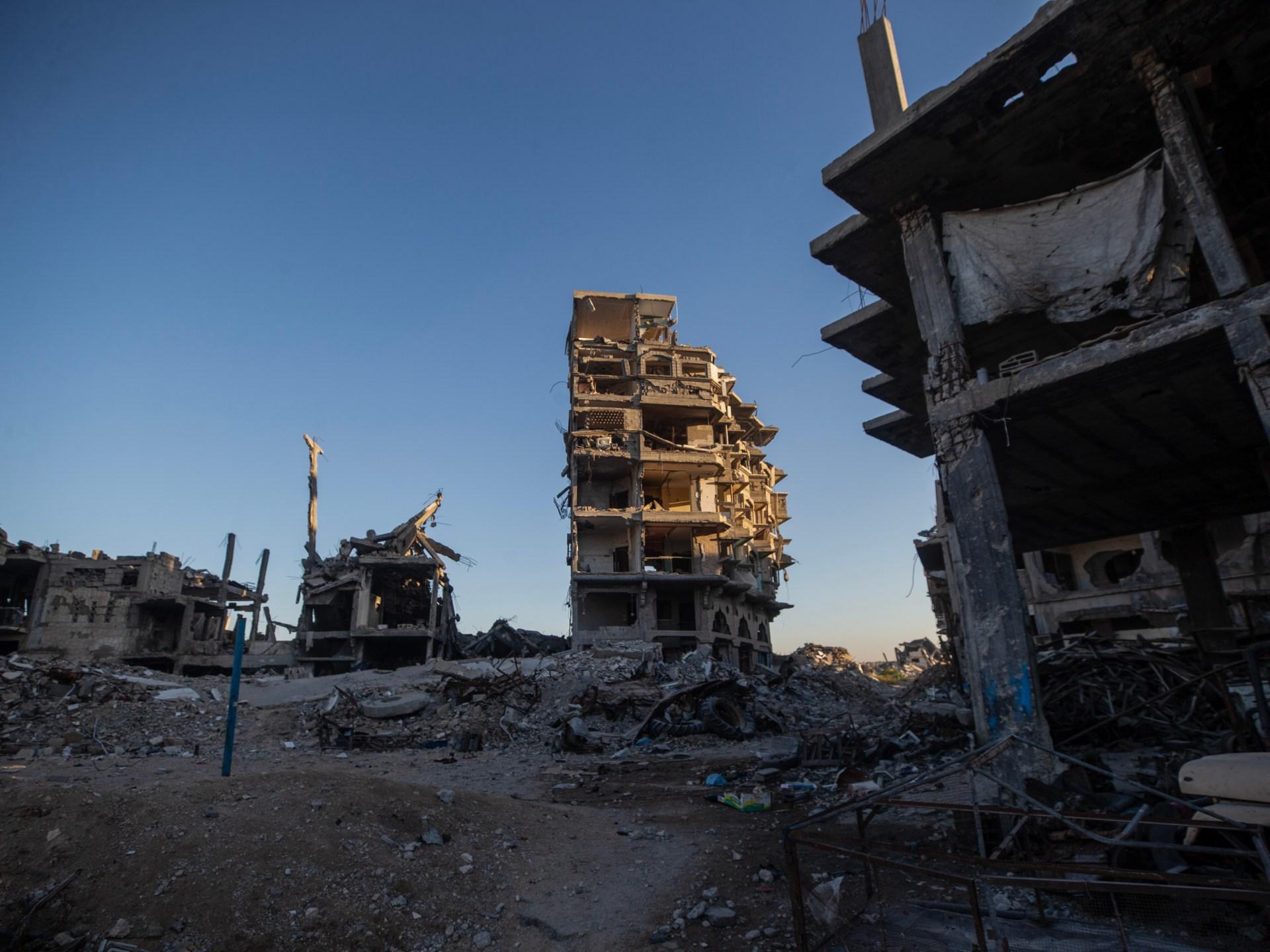
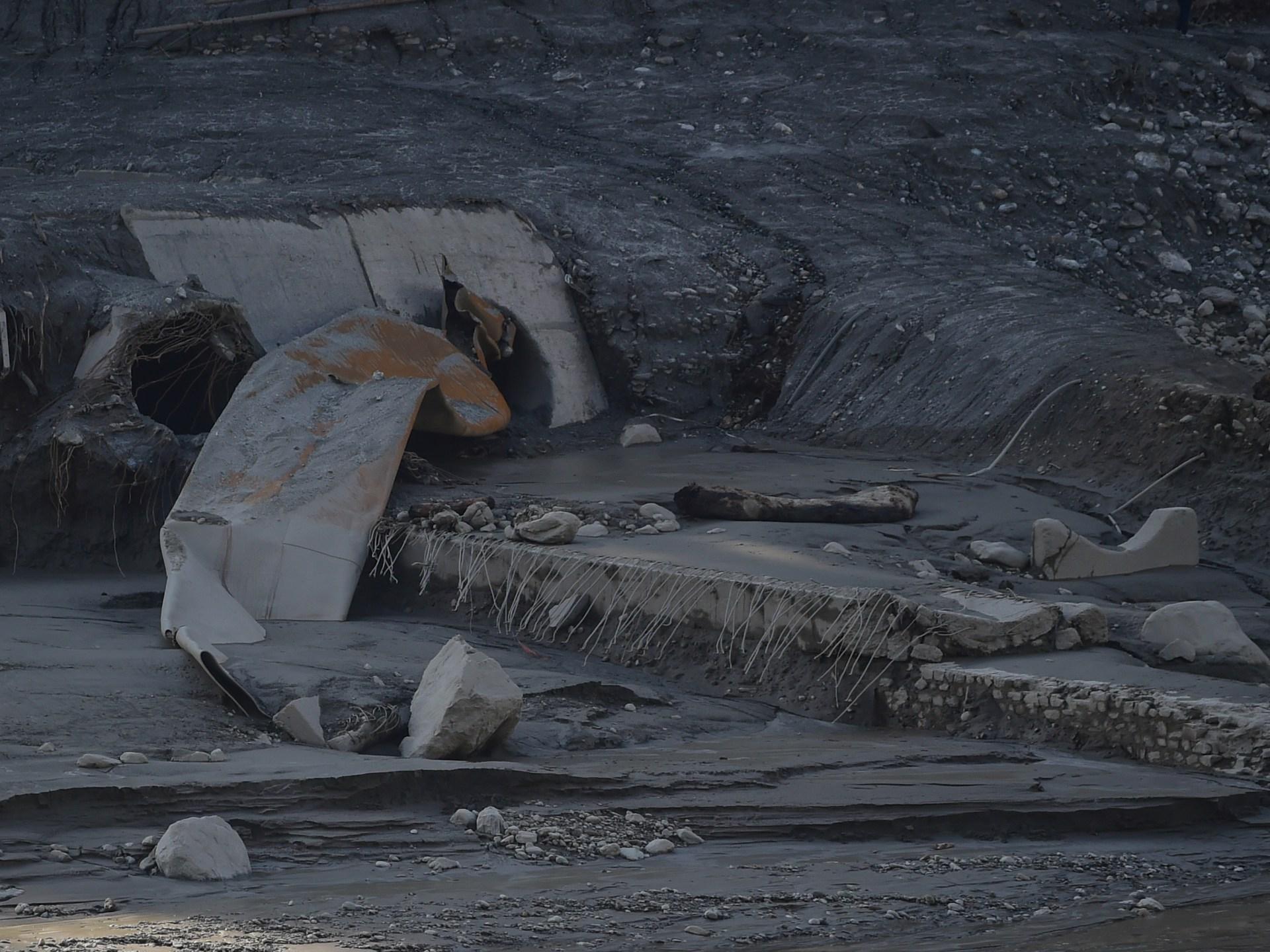
The statement clarified that this measure will help Nepal meet its energy needs during this difficult period and strengthen close energy cooperation between the two countries, with a promise to review export volumes in January. It is worth noting that the floods triggered on August 26 by the collapse of a glacier on the China-Nepal border killed more than 1,400 people and affected at least twelve hydropower projects.
The destruction resulted in the death of at least 900 workers at power stations among thousands of displaced people living in relief centers, while Nepal was forced to import electricity after previously relying 100% on hydropower. Nepali authorities state that initial reconstruction requires at least $5 billion, emphasizing that the disaster shows how climate change hits poor countries that contributed little to its cause.
Analysis & context
Analysis & Context
From an analytical perspective, this Indian decision represents a strategic shift in the energy relationship between the two countries. Nepal, which relied 100% on hydropower for its needs and previously had a surplus to export electricity to India, was suddenly forced to become an electricity importer due to the natural disaster.
In the broader context, the data in the report indicates that the floods destroyed at least 12 hydropower projects, leading to the death of more than 5,500 people, including power plant workers. This highlights the fragility of infrastructure in mountainous regions facing natural disasters.
The analysis underscores that Nepal faces huge challenges requiring initial reconstruction estimated at around $5 billion. Nepali authorities point out that this disaster revealed how much poor countries are affected by climate change caused by others to a lesser extent.
The report also indicates that the Himalayas, where Nepal is located, are approaching a critical tipping point where glaciers are melting faster than they did a decade ago, threatening water security in the region as it approaches the "peak water" phase mid-century.