Sourced fact
The News
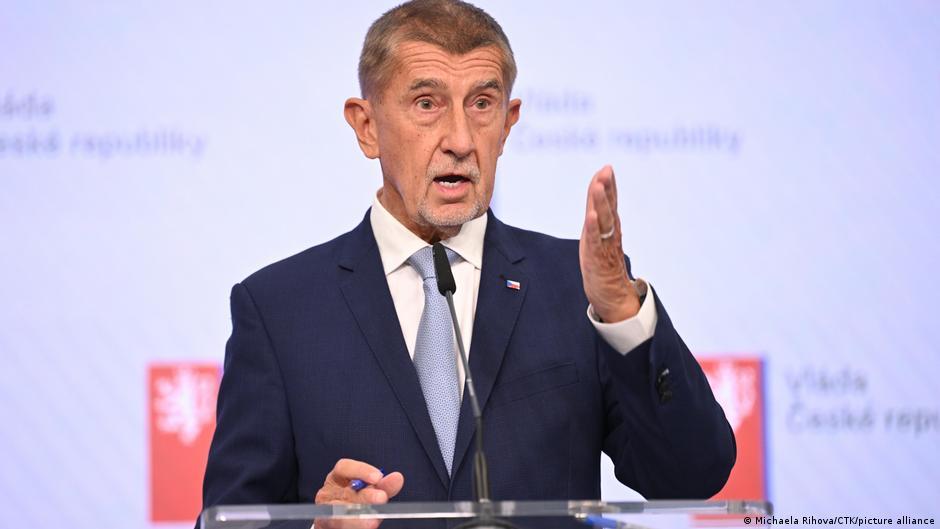
Last week in Prague, the US ambassador to NATO, Matthew Witaker, urged the Czech Republic to commit to increasing its defense spending to counter escalating threats from Russia. Although the Alliance has raised the defense spending target to 3.5 percent of GDP, the Czech government led by Prime Minister Andrej Babis opposes this request and insists on maintaining spending at 2 percent.
Witaker clarified that NATO expects allies to step up in assuming their security responsibilities, especially with increasing warnings about Russian hybrid operations involving drones and cyberattacks. However, Babis defended his government's position, stating that the country cannot currently afford the cost of accelerating military spending, even though he promised to reach the old 2 percent target by 2027 without additional increases.
The Czech Prime Minister faces criticism from political experts who see the rejection of a budget increase as reflecting domestic priorities rather than security considerations, with the government focusing on pensions, education, and healthcare in its approved 2027 budget plan. Political analyst Alisa Michal also notes that this side stance attracts toward European far-right populism that downplays Russian aggression and calls for peace instead of focusing on direct military threats.
Michal stated that the claim of inability to spend on defense stems primarily from domestic politics, where conservative voters prefer investing in the social system over enhancing military capabilities. Conversely, critics argue that the government exaggerates the downplaying of Russia's threat and uses comfortable rhetoric for the anti-establishment wing within the ruling coalition to ensure its stay in power.
Data indicates that the Czech Republic spent 1.86 percent of its GDP on general defense last year, while Poland and Baltic states achieved the new target and will soon reach 5 percent. The opposition leader of the Independent Democrats party also criticized Babis, asking when the government would rid itself of the "fifth column" Kremlinite inside the Ministry of Defense managed by a coalition partner.
A former military analyst believes the biggest problem is not just weak spending growth but the lack of strategic understanding of the army's role and size compared to real threats. He adds that Babis's divisive personality forces him to balance contradictory positions that satisfy poll opinions, serve extreme voters' interests, while maintaining formal commitment to NATO.
Analysis & context
Analysis & Context
Analytically, this position reveals a clear contradiction between official commitment to the NATO Alliance and the domestic political reality in the Czech Republic dominated by populism. Prime Minister Babis tries to balance supporting the West and meeting his voters' demands who lean toward a hardline stance on Ukraine and Russia, making increasing military spending difficult to achieve without arousing the base's anger.
In a broader context, reports from Czech and Eastern intelligence indicate growing Russian threats via cyberattacks and random use of drones in the region. Although the Czech Republic was among the first countries to suffer direct Russian attacks, its current government prefers focusing on seeking peace rather than radically enhancing military capabilities, which worries military experts.
It is also noted that parties opposing the government criticize this delicate balance, considering reliance on extreme political partners in the Ministry of Defense weakens the state's strategic position. Additionally, the gap between declared security goals and budgetary reality highlights weak strategic vision for national defense under this coalition government.
Finally, this debate reflects the general trend in Europe where some far-right forces adopt rhetoric leaning toward Russia or ignoring its threats, while countries like Poland and the Baltic states push toward significantly increasing military spending to meet NATO's new targets.