Sourced fact
The News
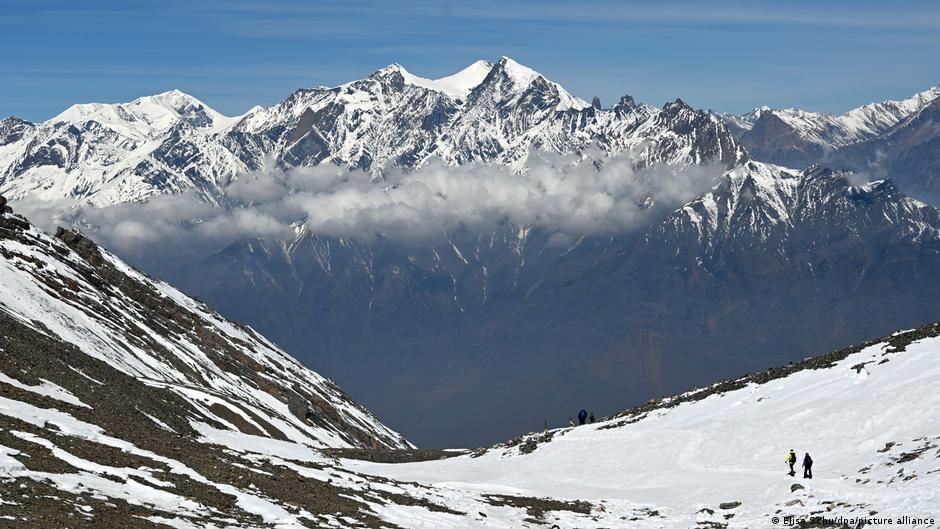
Two people have died and others were injured while 14 remain missing after a destructive snow avalanche struck the Himalung Base Camp in Nepal, which stands at an elevation of 7,126 meters. The National Mountain Guide Association of Nepal stated that all the victims and missing persons are climbing guides and tour company staff who were preparing for clients at the camp. The association reported that two guides were found and confirmed dead, while 14 members of the kitchen crew remain missing in an area with no communication signals.
Officials clarified that the avalanche occurred days after heavy rains and severe snowfall affected most parts of the country since Thursday. Local sources indicated conflicting information regarding the number of people present at the camp when the disaster struck on Sunday; police reported that there were at least 22 individuals at the site. Bibhuti Chand Tark, head of Himalayan Holidays Nepal, said that search and rescue operations are underway and survival chances are high due to recent snowfall covering the area.
Authorities had warned of severe weather over the weekend, leading to road closures, blocked climbing routes, and cancellation of mountain activities at several peaks. The tourism sector related to climbing and mountains is vital to Nepal's economy, which includes eight of the world's 14 highest peaks exceeding 8,000 meters. This new disaster arrives while Nepal is still recovering from the devastating floods in August that killed over 1,400 people and forced thousands to displace.
Analysis & context
Analysis & Context
From an analytical perspective, this incident represents part of a series of consecutive natural disasters facing Nepal, as the country continues to recover from the destructive floods that struck it last August and claimed more than 1,400 lives. These recurring events underscore the fragility of natural infrastructure in the Himalayan region and the impact of climate change on the stability of ice and snow at high peaks.
In a broader context, Nepal's economy heavily relies on mountain tourism and climbing, making any disaster in these areas have significant economic and social impacts on both local and international populations. The closure of several climbing peaks due to bad weather has disrupted livelihoods for many guides and workers who depend on this industry to survive.
Conflicting reports about the number of people at the camp when the disaster struck highlight the complexity of crisis management in remote areas lacking reliable communication networks. This situation reflects the major logistical challenges faced by rescue teams attempting to reach inaccessible sites under harsh weather conditions.
The ongoing search for missing persons underscores the importance of international cooperation and local support in relief efforts, especially as climbing companies from various nationalities participate in these operations. The crisis also highlights the urgent need to improve early warning systems and natural risk management in sensitive mountain regions.