Sourced fact
The News
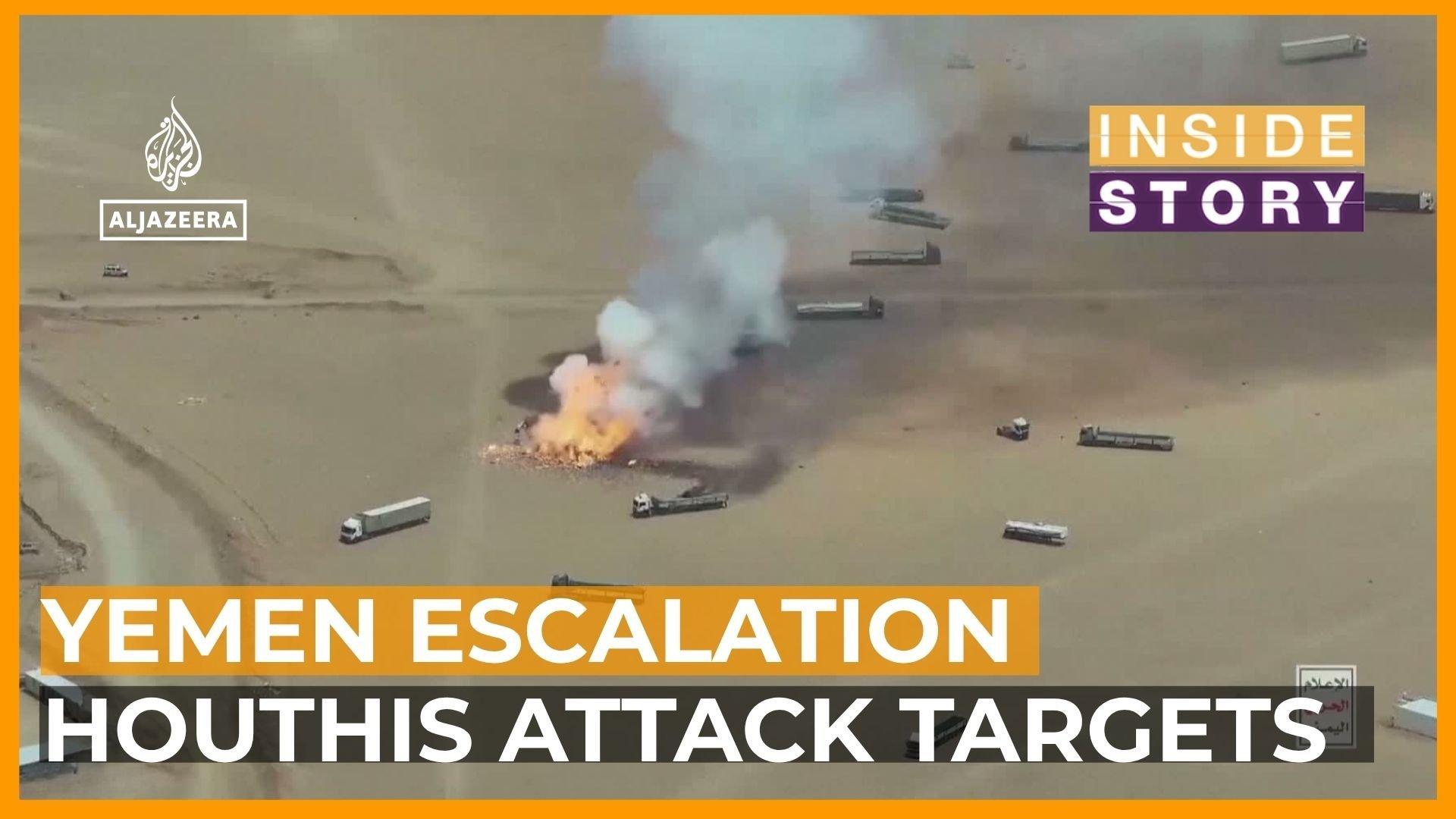
Military clashes are escalating significantly between Ansar Allah (the Houthi) group in Yemen and the Kingdom of Saudi Arabia, raising major regional concerns. According to Al Jazeera Net, this escalation follows the Houthis' launch of missiles toward Saudi Arabia's capital, Riyadh, for the first time since a ceasefire agreement was signed in 2022.
In a swift response to this dangerous development, the Iran-backed group declared that it would respond to any Saudi or regional escalation with a parallel escalation on its part. Sources confirm that this confrontation highlights the deep historical enmity between the two parties, rooted in decades of conflict.
Security analysts fear that the current situation carries a real risk of dragging the wider region into a full-scale war, making it crucial to determine what is needed to prevent future attacks. Experts indicate that the stability of the current situation depends entirely on the ability of the relevant parties to curb these escalations before they turn into a regional catastrophe.
Analysis & context
Analysis & Context
From an analytical perspective, the resumption of missile launches toward Riyadh after years of relative calm indicates the failure of previous ceasefire mechanisms to address the root causes of the conflict. The significance of this event extends beyond being an isolated military operation; it serves as a clear signal of the persistence of deep geopolitical tensions in the Middle East region.
In the broader context, the Houthis represent a continuing security challenge for Saudi Arabia and the Arab world as a whole, particularly given their support from Iran, which alters the balance of power in Yemen. This dynamic illustrates how local conflicts can quickly escalate into major regional wars if not effectively contained.
Furthermore, the presence of experts such as Naif Obeid, Mohammed Saloom, and Ibrahim Jalal underscores the urgent need for diplomatic dialogue to prevent a slide into a wider war. These views are part of an ongoing debate on how to manage crises in Yemen without involving external parties that could intensify the situation.
Finally, the future of the region largely depends on the ability of the concerned countries to rebuild trust and find sustainable political solutions to the Yemeni conflict.