Sourced fact
The News
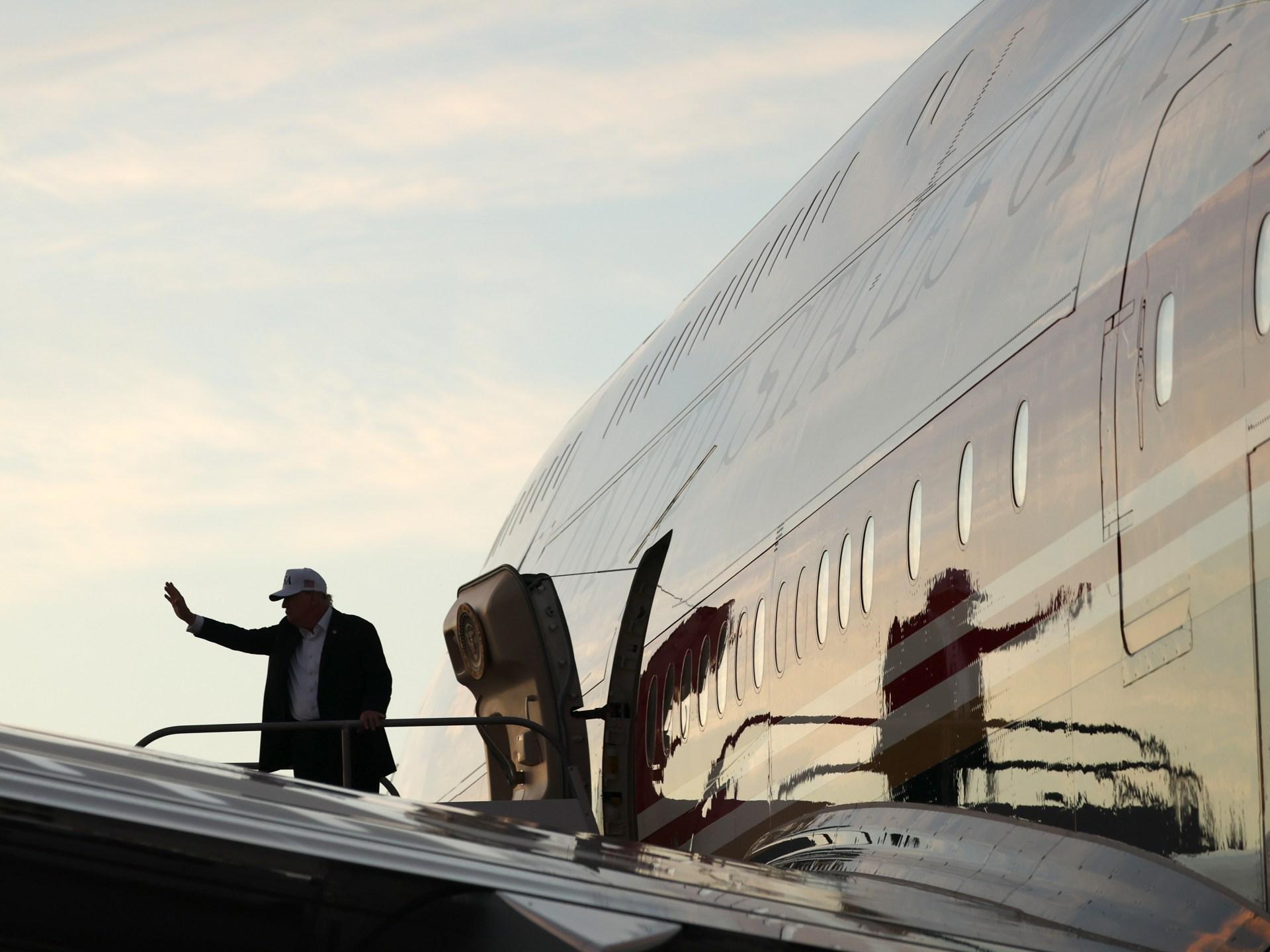
According to Al Jazeera Net, the Trump administration banned CNN and other media outlets such as "MS NOW" and "Politico" from entering the White House compound and riding on Air Force One to cover the president. This decision was part of new measures taken by the White House, where CNN was replaced by "Real America's Voice News," a conservative-leaning company, to cover the president's visit to Tennessee State University for a football game.
In a swift reaction to this ban, the three networks filed a lawsuit alleging that the White House violated their rights under the First Amendment of the U.S. Constitution, which guarantees freedom of the press. In a show of solidarity, four other networks affiliated with the major broadcast conglomerate (Fox, ABC, CBS, NBC) abstained from participating in the White House's pool of reporters until fair access was restored for them.
In a rapid development, federal judge Timothy Kelly issued a temporary ruling on Thursday that voided the ban, stating that the government's arguments did not support its national security claims regarding the exclusion of these networks. The judge noted in his ruling that the defense failed to submit any classified or unclassified documents explaining how specific reporting could harm national security, leading him to conclude there was no factual basis for the government's position.
Analysis & context
Analysis & Context
From an analytical perspective, this dispute marks a significant turning point in the relationship between the executive branch and the American press, as the Trump administration clashes with major media institutions claiming their right to independent coverage without government interference. The ruling by Judge Timothy Kelly sets a legal precedent that may influence how future administrations handle requests for access to official premises and presidential aircraft.
In the broader context, these events indicate ongoing tension between the two political parties in the United States and its impact on the media landscape, where some administrations seek to restrict access for rival journalists while major networks defend their independence. This conflict dates back decades, with repeated attempts by various administrations to influence media content or access to it.
The role of the federal judiciary in maintaining balance between government authority and citizens' and journalists' rights also comes to the fore, reflecting the importance of the U.S. judicial system in protecting fundamental freedoms even during periods of political crisis. These legal precedents will serve as important reference points for future courts when considering similar cases related to freedom of expression and access to public information.