Sourced fact
The News
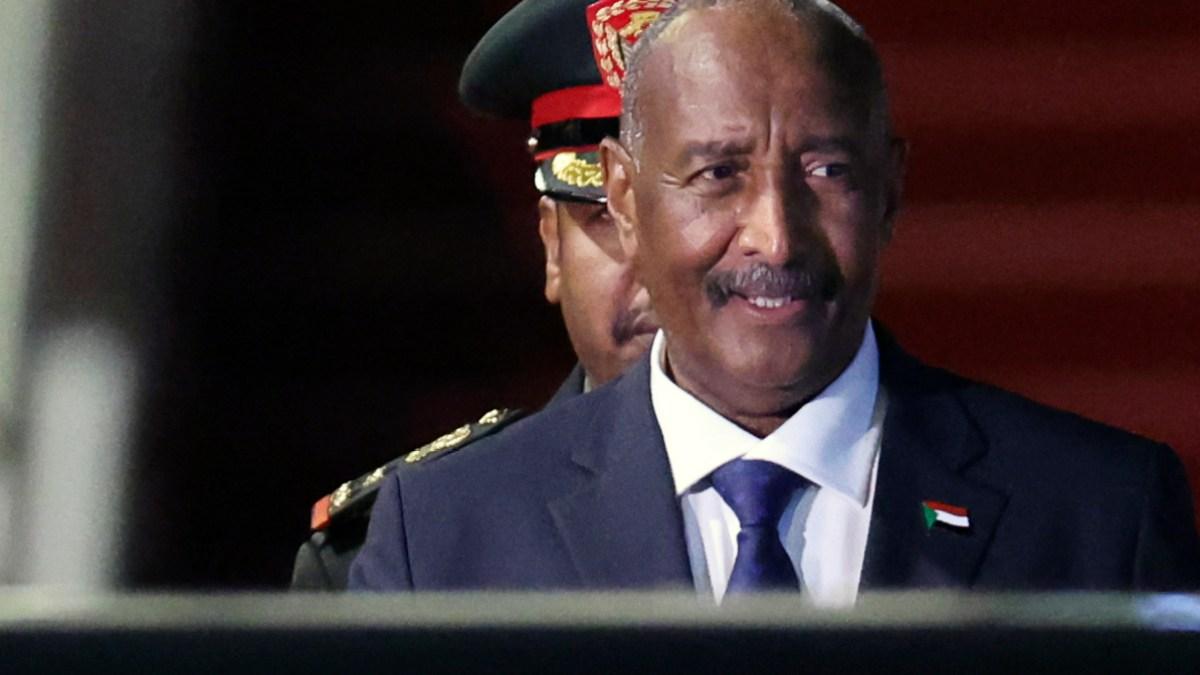
A visit by Sudanese Army Chief Abdel Fattah al-Burhan to New York faces a new obstacle after reports indicate that the United States refused to issue his visa prior to the opening of the UN General Assembly in an attempt to pressure him into accepting a proposed 90-day truce initiative. Sudanese activists and media figures have strongly criticized this move, describing it as political pressure aimed at influencing Khartoum's stance on the three-year civil war.
Diplomatic sources cited by AFP stated that Washington linked visa issuance to Burhan agreeing to the proposed truce suggested by US Arab and African Affairs Adviser Masad Bulos. While the US State Department denied directly commenting on the matter, it cast doubt on the legitimacy of Sudan's leadership. In response, Sudan's UN Ambassador, Harith Idrees al-Harith, appealed to UN Secretary-General António Guterres for immediate intervention with US authorities to ensure Burhan's right to attend the international meeting.
Stefan de Chermont, spokesperson for the UN Secretary-General, clarified that the UN Secretariat had urged the United States, as the host country, to ensure visas were issued in accordance with their obligations under the UN Headquarters Agreement and in a timely manner for Burhan's attendance. Meanwhile, Sudan's ambassador sent an official letter requesting urgent intervention with US authorities. Activists described the step as a blatant violation of the Headquarters Agreement and selective application of international law.
A Sudanese activist on Facebook stated that revoking the visa would not silence Sudan's voice, while another argued that linking the visa to the truce was a political pressure tool aimed at imposing foreign will. A Sudanese journalist noted that preventing Burhan from reaching New York could enhance his popularity rather than force him to accept US demands. These accusations received resonance from other users who pointed out that visas were granted to Israeli leaders wanted by the International Criminal Court.
Furthermore, Sudan's Ministry of Foreign Affairs condemned the US stance, emphasizing that any peace initiative must be based on respecting sovereignty and territorial integrity while addressing root causes of the war, including negative foreign intervention. The ministry added that Burhan rejects externally imposed truces, noting that previous ceasefires were undermined by Rapid Support Forces attacks, while the US refused to recognize Sudan's leadership since the 2021 coup.
Analysis & context
Analysis & Context
From an analytical perspective, the visa denial represents a significant challenge to traditional diplomatic protocols that guarantee military leaders' right to attend international conferences regardless of their internal political positions. This controversy indicates a gradual shift in some Western countries' policies toward using logistical mechanisms like visas as geopolitical pressure tools, raising questions about the legitimacy of such practices under the UN Charter and international agreements on freedom of movement.
In the broader context, Sudan faces a massive humanitarian crisis that has killed tens of thousands and displaced millions, making any ceasefire attempt crucial for saving lives and alleviating human suffering. However, linking diplomatic participation to specific political conditions may exacerbate rather than resolve the crisis. Many analysts believe sustainable solutions require comprehensive dialogue involving all parties without preconditions that restrict Sudan's leadership options.
This stance also highlights contradictions in international attitudes toward different conflicts, where visas were granted to other leaders accused of war crimes while restricting access for others to international platforms. This reality reflects the complexities of global foreign policy, which often prioritizes strategic interests over justice and humanitarian considerations, placing African states in a difficult position between demanding rights to development and international respect on one hand, and facing unbalanced external pressures on the other.