Sourced fact
The News
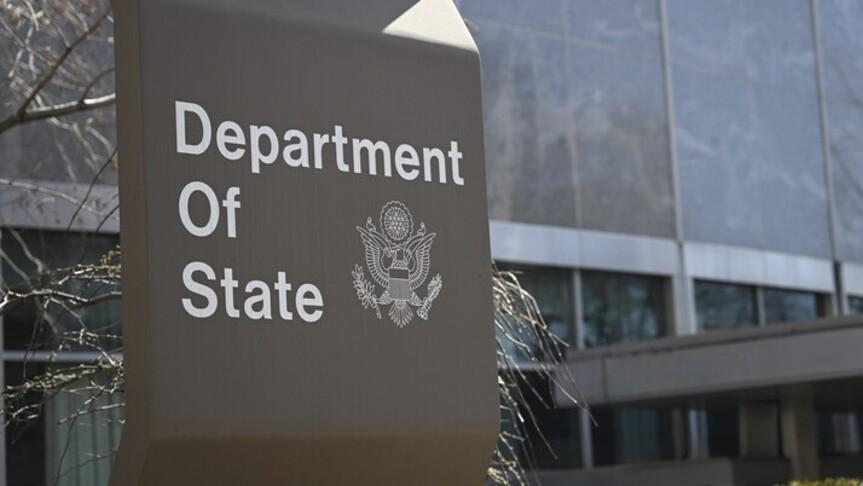
The U.S. Department of State has announced new travel restrictions for government employees working in the Kingdom of Saudi Arabia to the cities of Taif and Yanbu, based on the current security situation in the region. This announcement came via a security alert issued by the U.S. Mission in Riyadh on Sunday, confirming that American personnel now require special authorization for every official or personal trip to these two cities specifically.
The U.S. Mission clarified that these measures follow an escalation in military tensions between Saudi Arabia and the Houthi alliance in Yemen, where Washington has warned its citizens against traveling through or staying in the area due to the risk of rapid escalation. It also emphasized the need for extreme caution and avoiding public gatherings or areas with high security density, especially those related to the U.S. Mission itself.
U.S. officials currently in the Kingdom were advised to take preventive measures such as keeping mobile phones charged and staying away from windows and doors in case of an aerial attack, while confirming that regular and emergency consular services continue across the entire territory of the Kingdom. This step comes as a proactive measure reflecting growing security concerns raised by recent attacks and their impact on regional stability.
Analysis & context
Analysis & Context
From an analytical perspective, this measure is a clear expression of the shift in the Middle East security situation to a stage of extreme caution, where traditional threats intertwine with new challenges such as cyberattacks and indirect aerial strikes. Linking the restrictions to tensions between Saudi Arabia and the Houthis highlights how limited regional conflicts directly affect international travel and security policies.
In a broader context, these warnings indicate that the region's security infrastructure has become more fragile in the face of a new wave of attacks targeting American and international objectives. The continuation of Houthi operations and their use of drones and missiles changes the security rules of the game, forcing major powers to reassess the policies protecting their personnel and citizens in the Middle East.
Moreover, these restrictions reflect a defensive strategy focused on reducing potential risks rather than attempting to resolve the root causes of tension, which may prolong instability in the region. Maintaining a low profile for American citizens and avoiding sensitive areas is considered part of the "peace through retreat" policy adopted by some Western countries amid escalating crises.
Finally, this situation underscores the importance of diplomatic missions in managing daily crises and protecting their national interests in complex environments. The continued operation of consular services despite the restrictions indicates that the United States seeks to balance security caution with its ability to provide diplomatic support and humanitarian assistance to affected citizens.