Sourced fact
The News
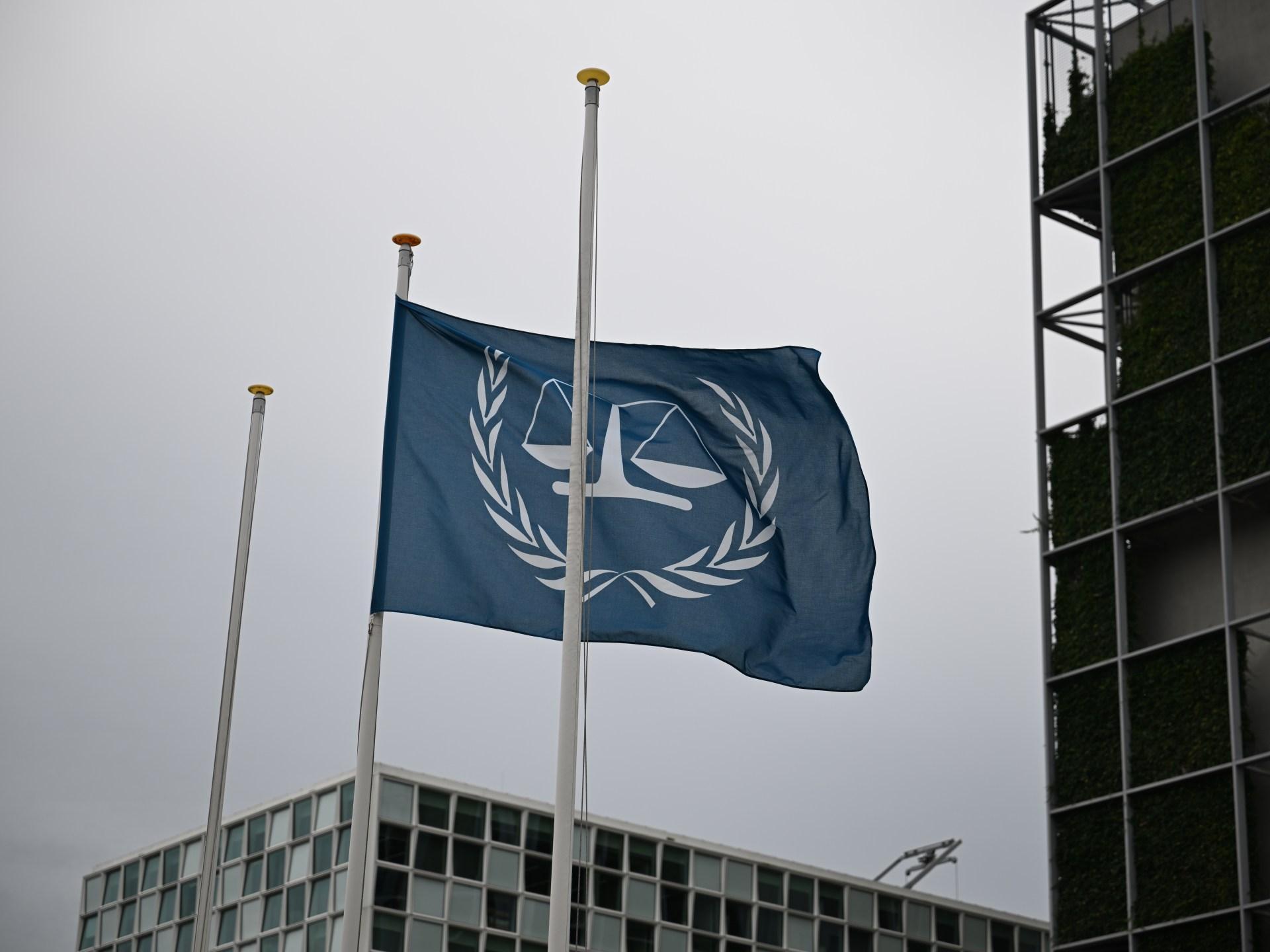
The Trump administration in the United States is preparing to announce comprehensive sanctions against the International Criminal Court (ICC) that could disrupt its budget and daily operations, following Washington's approval of sanctions last month against more than a dozen judges and prosecutors. News agencies report that the U.S. government intends to unveil these measures during the upcoming UN General Assembly meeting in New York or in the coming weeks.
These sanctions will block most financial transactions with the court after a grace period of six to seven months, effectively prohibiting American citizens and companies from providing any funds or services to the institution without explicit permission from the U.S. Treasury Department. The President and Registrar of the court fear that such collective actions could hinder the court's ability to purchase technology services and meet routine obligations, including salaries for its American staff.
This move comes as part of an escalating U.S. campaign to isolate the Hague-based court, which Washington rejects because it never joined and believes has overstepped its mandate by pursuing officials from non-member states such as Israel. Tensions escalated significantly after the issuance in November 2024 of an arrest warrant for Israeli Prime Minister Benjamin Netanyahu and former defense minister Yoav Gallant on charges of war crimes in Gaza.
Other countries have joined this opposition, including Chad and Venezuela, which offered to withdraw from the court in July, while four U.S. human rights groups filed lawsuits against the administration in August, arguing that current sanctions impede its legal and humanitarian work. U.S. officials insist that the court has crossed legal boundaries by pursuing Israeli and Afghan officials, prompting Secretary of State Marco Rubio to call in July for the court's isolation and urging other nations to withdraw from it.
Analysis & context
Analysis & Context
From an analytical perspective, this proposal represents a strategic shift in U.S. policy toward international justice, as Washington moves from criticizing the court's decisions to directly attacking its financial and administrative structure. This approach indicates that the United States views the International Criminal Court as a threat to its national sovereignty and interference in the affairs of non-member states, leading it to adopt a fully isolated stance from the traditional international system.
In the broader context, the region and the world are witnessing a wave of countries withdrawing from or renouncing membership in the International Criminal Court, with Burkina Faso, Mali, Niger, Chile, and Venezuela withdrawing their membership last July. This collective withdrawal reflects a growing global current that questions the legitimacy and impartiality of the court, particularly regarding issues related to Israel, Gaza, and Afghanistan.
Additionally, Secretary of State Marco Rubio's campaign in July to isolate the court and call on other countries to withdraw from it points to an American attempt to build regional and international alliances against international justice bodies that do not serve Washington's interests. This isolation could lead to the court becoming a marginal entity with very limited influence in major international forums.
Finally, the lawsuits filed by four U.S. human rights groups against the Trump administration in August highlight internal tensions among different segments of American society regarding the role of international justice and human rights, making the situation more complex and sparking widespread legal and political debate.