Sourced fact
The News
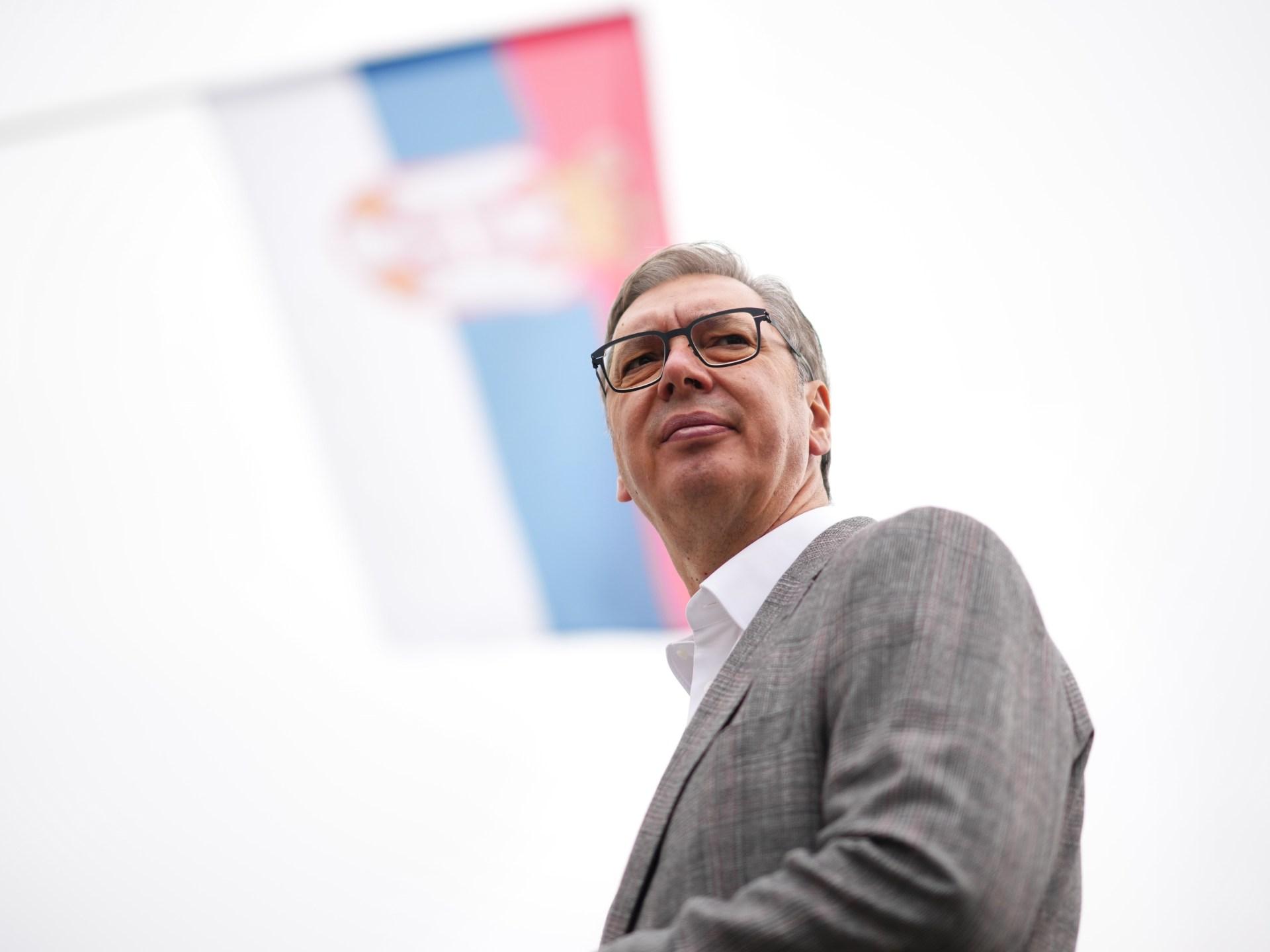
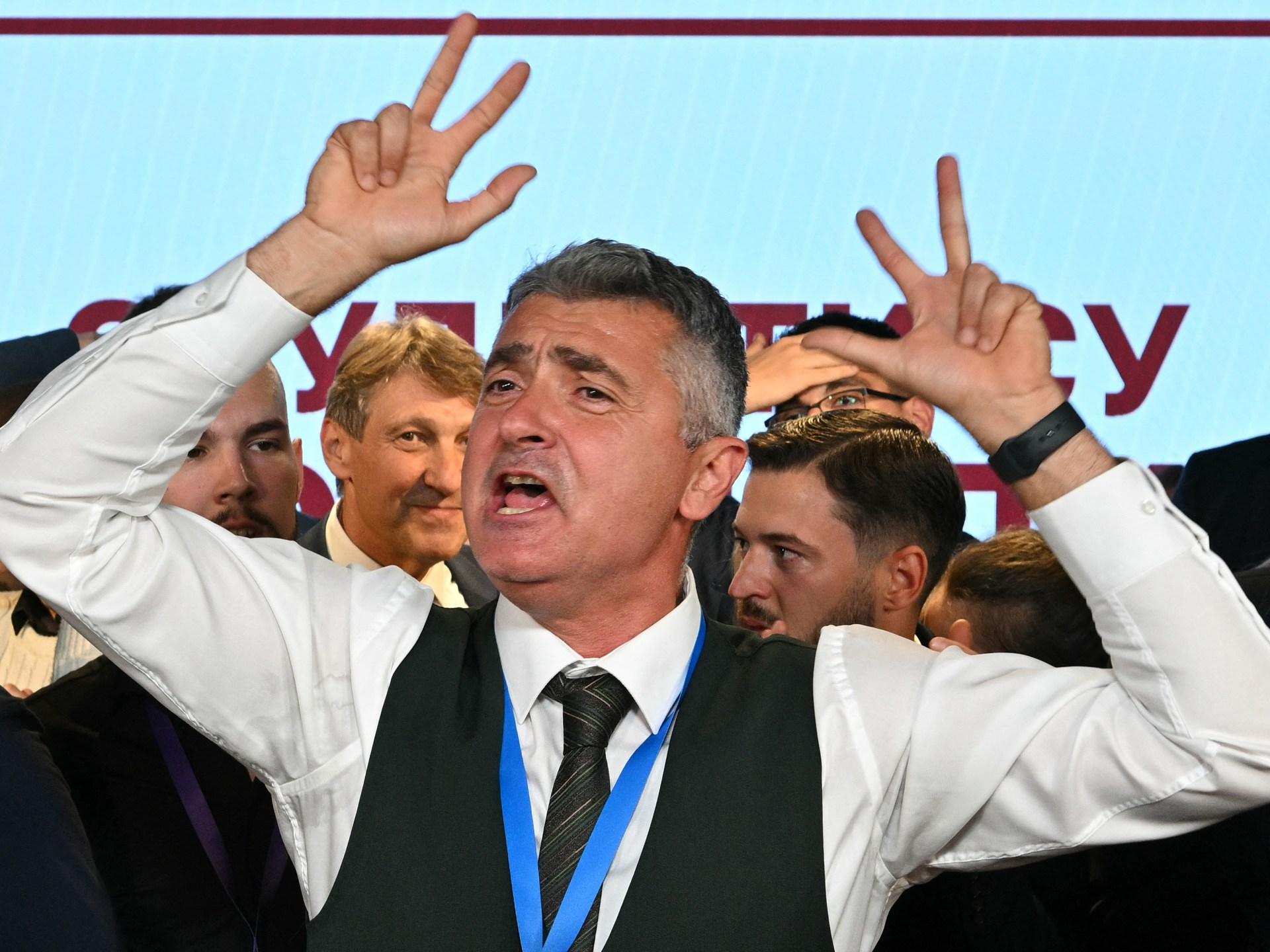
A student-led opposition coalition has won Serbia's early parliamentary elections, ending the long-standing political dominance of former president Aleksandar Vucic. The "Student List" coalition secured 52.54% of the vote, while Vucic's "United Serbia" coalition received 39.29%. According to the Serbian National Election Commission, voter turnout was 68.78%, a record high in the country for over three decades.
The student coalition stated that its priorities include combating corruption and organized crime, improving living standards, creating job opportunities, enhancing education, and ensuring press freedom. The coalition also pledged to improve relations with neighboring countries following a period of tension during Vucic's rule.
Ilija Srdanovic, a professor of medicine at Novi Sad University who led the coalition during the elections, said, "We are working to achieve the changes we promised." Srdanovic is expected to be the frontrunner for the post of prime minister, although it has not yet been determined who will take on the key ministerial positions such as interior, finance, and justice.
The new parliament will be formed within 30 days of the announcement of final results, and the government must be formed within 90 days thereafter. With a clear majority for the student coalition, the process of forming the government is expected to be swift and smooth.
Meanwhile, interim president Ana Brnabic is expected to call for an extraordinary presidential election by December 27, as Vucic's presidential term ended on September 27. Although the position of president in Serbia is largely ceremonial, it remains an important matter in the country's political context.
Analysis & context
Analysis & Context
Analytically, these elections represent a critical turning point in Serbian politics, marking the end of Vucic's decade-long rule. The victory of the student list reflects the desire among Serbian youth for change and transparency in governance.
In a broader context, these elections highlight the growing power of youth movements against corruption in Eastern Europe. These movements aim to improve economic and social conditions and combat corruption within governmental institutions.
It is noteworthy that presidential elections in Serbia are set to take place within three months, signaling a significant shift in the country's political leadership in the coming months.