Sourced fact
The News
South Korea expressed its anger and dissatisfaction after Ukraine revealed it had handed over to Pyongyang two of its soldiers who had been captured in Kursk. On Sunday, Song Hee Hong, Vice President for Public Communications, stated in a statement that the Office of the President expressed "deep regret over Ukraine's unilateral notification and failure to acknowledge the confidentiality agreement."
During his speech at the United Nations General Assembly last week, President of Ukraine Volodymyr Zelensky said that Ukraine had captured the two North Korean soldiers in January 2025 after they were seen fighting alongside Russia in Kursk. He added that the soldiers had attempted suicide upon their capture.
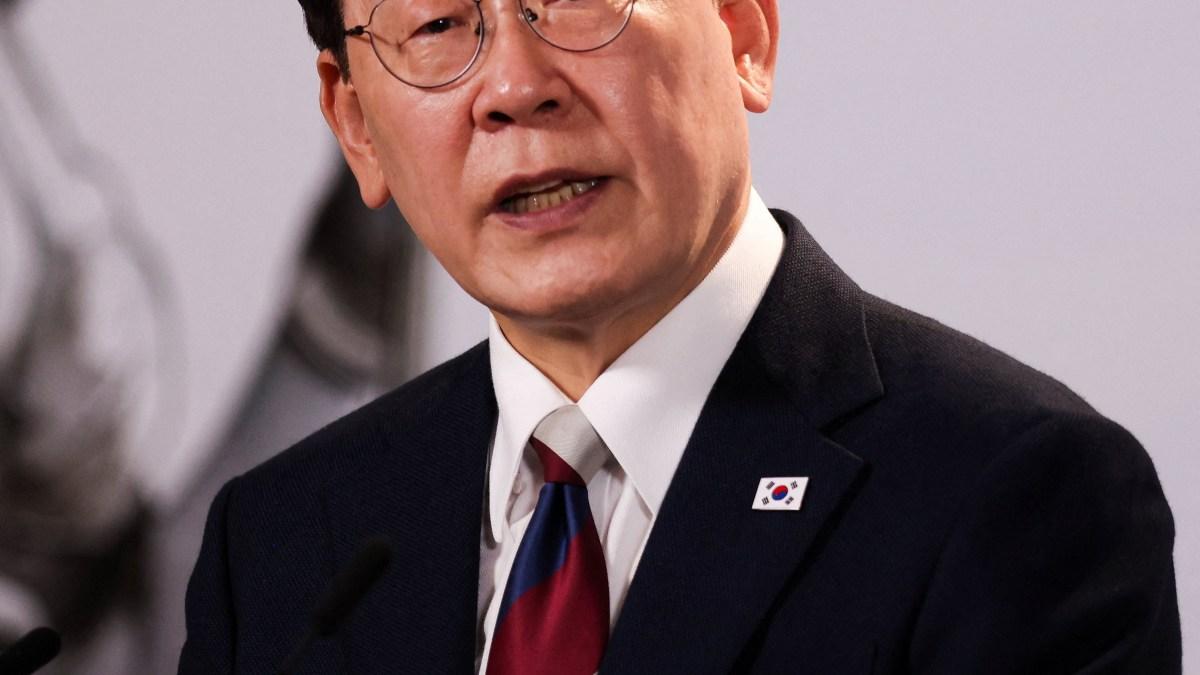
In response, President of South Korea Lee Jae-myung expressed deep regret in a tweet on the X platform, stating that the disclosure of this information was "contrary to trust" between the two countries. The opposition in South Korea urged the government to disclose more details about the matter.
According to estimates by Ukraine and South Korea, around 14,000 to 15,000 North Korean soldiers were sent to support Russia in its war against Ukraine. Estimates suggest that North Korea has also sent various weapons to Russia, including ballistic missiles and heavy artillery.
Currently, the two North Korean soldiers are undergoing investigation and security checks by South Korean authorities. According to Yu Yong-won, an opposition member of parliament, they belong to North Korea's special forces and could provide valuable information about North Korea's military capabilities and involvement in the war.
South Korea faces challenges in handling this situation, as the disclosure of this information has negatively impacted relations between the two countries. Some voices in South Korea have suggested that the government should be more transparent in dealing with this sensitive issue.
Analysis & context
Analysis & Context
Analytically, this dispute reflects increasing tensions between South Korea and Ukraine regarding international relations and security policies. South Korea, facing increasing challenges with North Korea, is striving to protect its security and political interests.
In a broader context, this event highlights the increasing military intervention of North Korea in the Russian-Ukrainian conflict. North Korea’s support for Russia in this conflict complicates the situation and increases pressure on other countries to decide how to deal with this intervention.
It is also noteworthy that this event highlights the challenges South Korea faces in dealing with detained North Korean soldiers, as it faces international pressure to provide protection and assistance to them.