Sourced fact
The News
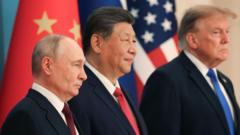
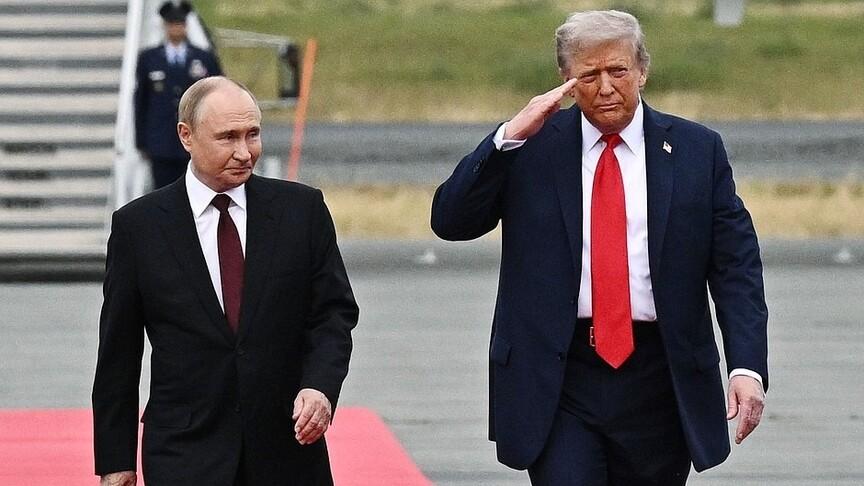
A bipartisan group of U.S. Senators has questioned President Donald Trump's invitation for Russian President Vladimir Putin to attend the upcoming Group of Twenty (G20) summit in Miami, amid the ongoing Russian war on Ukraine and Moscow's attacks on civilians. Led by Senator Jim Risch, chairman of the Senate Foreign Relations Committee, lawmakers have demanded that the invitation be rescinded and that Putin be barred from participating in any similar international events held within the United States. This move follows a controversy sparked early in August when Trump honored Russian Finance Minister Anton Siluanov at a global economic gathering in North Carolina.
The lawmakers who signed the letter include members of both the Democratic and Republican parties, such as Mitch McConnell and John Cornyn. They stated that Putin bears full responsibility for launching the comprehensive aggression against Ukraine, and allowing him to attend raises serious concerns about legitimizing a government that daily attacks Ukrainian civilian targets. They also noted that the invitation comes at a time when Russia's intentions have become clear through reports of Iran's military assistance in targeting individuals in the Middle East.
Additionally, the lawmakers highlighted concerns over Russia's broader international activities, including its ties with Iran and increased hybrid warfare operations across Europe. They called on the Trump administration to exert strong economic and political pressure on Putin to force him to sit at the negotiating table for genuine peace talks.
Analysis & context
Analysis & Context
From an analytical perspective, this stance reflects the ongoing tension between the United States and Russia since the start of Russia's full-scale invasion of Ukraine in February 2022. Inviting Putin to a major international summit like the G20 is politically and diplomatically contentious, especially as Russia continues its raids on Ukrainian civilians and conducts operations targeting Americans through Iran.
In a broader context, this move indicates an effort by some U.S. lawmakers to reimpose diplomatic and economic constraints on Moscow, emphasizing the need for strong economic and political pressure to compel Putin to engage in serious peace negotiations. It also underscores growing concerns about Russia's hybrid activities in Europe and its close ties with Iran, which threaten regional security.
It is worth noting that Trump surprised finance ministers and central bankers in late August by inviting Russian Finance Minister Anton Siluanov to attend a gathering of top global economic policymakers in North Carolina, adding another layer of complexity to the U.S. diplomatic posture toward Russia.