Sourced fact
The News
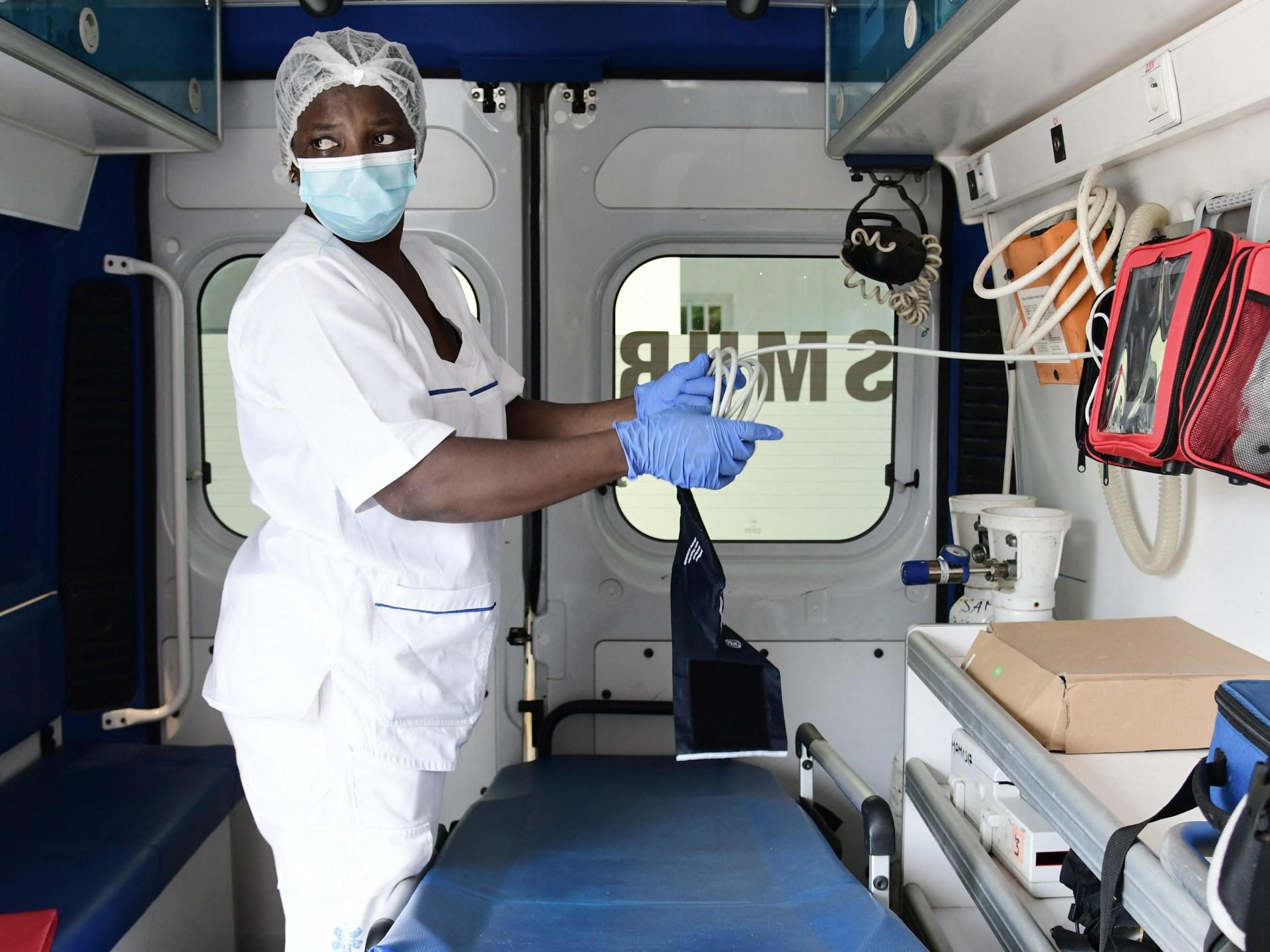
Senegalese hospitals are facing severe deterioration amid a two-day strike in the health sector, forcing workers to operate under harsh conditions just days before routine services were halted. The story of Awou Diaba, who entered the hospital as an intern and emerged as the mother of her daughter Maryam, illustrates how the maternity ward transformed into an environment filled with shouting and anxiety due to power outages and a lack of air conditioning in some sections.
The President of the Senegalese Association of Medical Doctors (SAMES) clarified that the problem is not limited to a shortage of medical staff but also includes the absence of essential equipment, forcing patients to travel hundreds of kilometers for simple diagnoses. He noted that the strike involving doctors, pharmacists, and dentists on September 16 and 17 resulted from the government's refusal to respond to their accumulated demands since 2023 regarding employment, improved working conditions, and pensions.
An IMF report reveals an economic paradox the country is facing, where Senegal's economy grew by 6.7% in 2025 while total debt rose to 132% of GDP by the end of 2024. Foreign aid plays a vital role in funding public health programs such as fighting AIDS and malaria, but reduced US support has negatively impacted these programs according to media reports and local organizations.
Dr. Diabel Dramé, General Secretary of the Medical Union, stated that unions waited, hoped, and followed procedures without receiving any reasonable response from the government. President Bassarou Dioumaï Fay highlights that the global debt structure is insufficient and unfair, preventing access to essential services like education and healthcare, especially in light of undisclosed debts discovered after he assumed office.
Awou Diaba plans to specialize in hematology to care for cancer and blood disease patients but noted that fear of death is the first thing patients face upon entering general hospitals, which are considered a last resort for treatment. Families wait until funds are available for medical visits or diagnosis, while the government waits to fix a broken healthcare system under immense financial pressure.
Analysis & context
Analysis & Context
Analytically, Awou Diaba's story reveals a deep gap between apparent economic growth and the deteriorating social reality in Senegal, where the state cannot convert oil and gas wealth into essential services like healthcare and education. This contradiction highlights how high external debt and fluctuations in international aid, particularly from the United States which cut its reproductive health programs, weaken the health system's ability to respond to emergencies.
In a broader context, the medical strike in Senegal represents part of a historic struggle between professional unions and the government over the distribution of limited resources, where investments often focus on the capital Dakar while rural areas like Kasamansi suffer from severe shortages of medical staff and infrastructure. This geographical disparity exacerbates the suffering of people in the south who are forced to travel long distances for basic medical care, further increasing the burden of poverty on poor families.
Furthermore, discussions about historical compensation for African slaves and debates at the Accra conference reflect a shift in global political discourse toward economic justice, but the local reality in Senegal shows that these major issues still suffer from daily problems like power outages and drug shortages. Awou Diaba's plan to specialize in hematology to care for cancer patients indicates a small personal hope amidst a system suffering from "old and new wounds" requiring long-term healing.
Finally, patients waiting for funds needed for medical care and doctors waiting for equipment represent a daily reality in Senegal, where general hospitals have become a last resort for patients who cannot afford private sector costs. This reality requires radical reforms beyond political claims to include a complete restructuring of the healthcare system to ensure every citizen has the right to receive adequate medical care regardless of their geographic location or economic status.