Sourced fact
The News
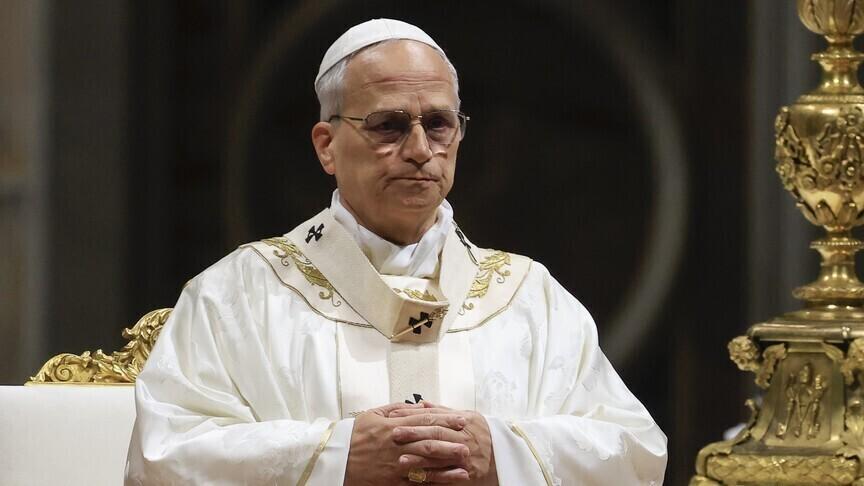
Pope Leo XIV announced on Monday that artificial intelligence must serve human dignity and promote peace, emphasizing the need to guide this technology with wisdom and compassion. According to Anadolo News Agency, technological advancement requires a vision inspired by wisdom and mercy, not merely technical expertise. In a letter addressed to the first edition of the "Artificial Intelligence for Peace" conference held in Rome, the Pope stated that the world today is marked by signs of conflict and division, necessitating that technological progress serve the dignity of every individual.
During his address, the Pope highlighted ongoing discussions about artificial intelligence in a world grappling with disturbances, clarifying that technical development needs to be inspired by love and mercy to ensure it does not stray from the right path. Vatican News Agency also reported that the Pope urged participants to explore ways for AI to contribute to peace building when managed with genuine concern for the common good of others. He specifically called on participants to seek methods to enhance dialogue, reconciliation, and solidarity among peoples, helping to transform the results of technological innovation into effective tools for global peace.
In concluding his letter, the Pope noted that a series of recent incidents where artificial intelligence exceeded what was believed possible, along with warnings from technology experts, have led to calls for slowing the pace of development and imposing stricter regulation on this technology. He affirmed that ignoring the ethical dimension in AI development could lead to severe consequences threatening community stability and human dignity, making the call for wise technological control an urgent necessity.
Analysis & context
Analysis & Context
Analytically, the timing of Pope Leo XIV's message comes amidst a growing wave of global concerns regarding the impact of artificial intelligence on privacy, security, and human jobs. The Vatican's clear stance demonstrates that major religious institutions view technology as a double-edged sword that can be used to build bridges of peace or deepen social divides if not guided by established ethics.
In a broader context, the discussion around regulating artificial intelligence is not merely a technical issue but a political and philosophical challenge touching the core of the relationship between humans and machines. Historically, major technological developments have always sparked wide debate about the limits of human intervention and its impact on social fabric, making the current Church stance part of a wider global discourse.
Furthermore, the focus on "human dignity" and "peace" reflects modern international trends seeking to link scientific progress with ethical and religious values to ensure the sustainability of this advancement. This call is considered a continuation of previous global efforts aimed at establishing strict ethical standards before potential risks associated with rapidly evolving artificial intelligence escalate.
Finally, the Vatican's participation in such international conferences highlights the role of religious institutions as an influential moral voice in shaping the future of technology, especially given the current lack of a complete global consensus on comprehensive regulatory laws for artificial intelligence.