Sourced fact
Today's top politics stories
Europe is witnessing a wave of widespread protests centered on economic and social issues, while Israel navigates complex political transitions following recent Knesset elections. In the United States and Britain, debates over immigration policies and relations with the European Union continue.
Cost of Living Protests Spread Across Europe Led by France
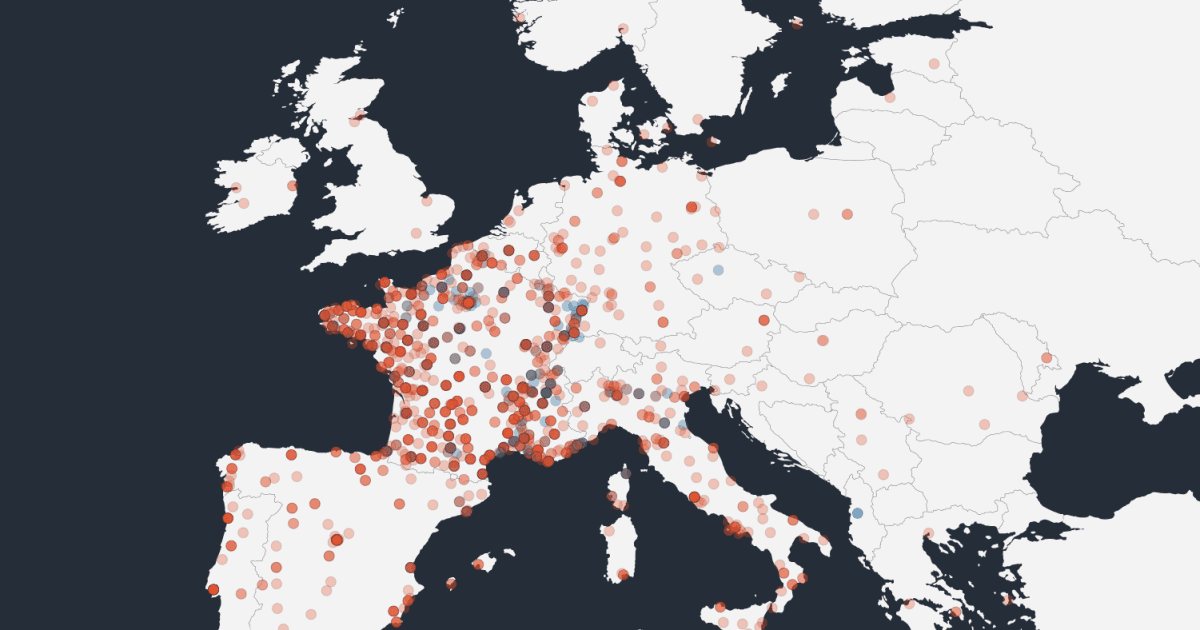
Protest movements in France show few signs of de-escalation two months after high school students walked out to protest classroom chaos, with approximately 146,000 people gathering in demonstrations that included Paris alone, according to the Interior Ministry. Analytical data from ACLED indicates that more than 1,200 protests or disturbances involving 100 or more participants occurred in France between September 15 and October 30, while the total number of demonstrations across Europe exceeded 1,700 during the same period.
Houston Mayor Restricts Police Cooperation with Federal Immigration Authorities
Houston Mayor John Whitmire, a Democrat, issued an executive order directing city police to limit cooperation with federal immigration officials as part of an effort to begin healing and reduce community anxiety. This move follows a surprising Democratic victory in recent midterm elections in Texas, where Republican Governor Greg Abbott lost his bid for re-election, altering the previous policies pursued by the Abbott administration.
Gadi Eisenkot appointed to form new Israeli government amid complex political challenges
Israeli President Isaac Herzog has given opposition leader Gadi Eisenkot the opportunity to form a new government after the governing coalition led by Benjamin Netanyahu lost its parliamentary majority in October elections, opening the door to an end to his long tenure. Herzog chose Eisenkot, former head of the Israel Defense Forces and previous leader of the Yesh Atid party, to attempt assembling a parliamentary bloc within 28 days, with the possibility of requesting a 14-day extension in case of failure.
Michel Barnier Warns UK Against Selective Rejoining of Single Market After Bernham Remarks
Michel Barnier, former European Union negotiator for Brexit, warned that the United Kingdom cannot selectively choose elements of the single market it wishes to join. Speaking to BBC News, Barnier emphasized that rejoining requires accepting the same conditions applied to all other members without exception from the "four freedoms."
Italian Foreign Minister Targeted by Hackers Over Ukraine Support
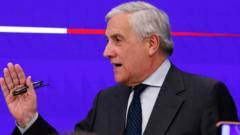
Italian Foreign Minister Antonio Tajani announced he has been the target of cyberattacks by criminals who have published his personal data online due to Italy's support for Ukraine. In a post on X, Tajani stated that these groups have been sharing his information for days and are seeking additional details, exposing him to new threats and harassment, while noting that attackers are also targeting his family.
Israel President Appoints Opposition Leader to Form New Government After Election Failure
Israeli President Isaac Herzog announced the appointment of opposition leader Gadi Eisenkot to form a new coalition government after both Netanyahu's bloc and Eisenkot's bloc failed to secure a majority in the Knesset following recent elections. President Herzog will grant Eisenkot a 28-day period to attempt forming the government, with the possibility of extending it by an additional 14 days, while Netanyahu will assume the role of observer during this transitional phase.
Analysis & context
Reading the day's news
Analytically, these stories link emerging global social and political unrests that transcend national borders. Protests in France and other European countries reflect growing public dissatisfaction with living costs and economic crises, while developments in Israel and Britain demonstrate how demographic and political shifts affect government stability and international relations. In the broader context, the American story about Houston and the Italian narrative on cyberattacks indicate that security and digital identity issues have become central to contemporary political discourse. Increasing or decreasing cooperation with federal and international bodies, whether in immigration or cybersecurity, reflects deep transformations in the nature of power and responsibility among local, national, and global governments.