Sourced fact
The News
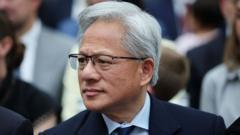
Nvidia's U.S. shares declined on Tuesday after American politicians cast doubt on President Donald Trump's role in reappointing Jensen Huang as the company's chief executive officer. Huang was restored to his position at the semiconductor manufacturer on Monday, less than two weeks after he was forced to resign following scandals involving extramarital relationships with a woman suspected of being a Chinese spy.
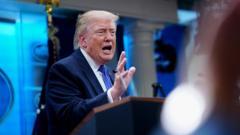
The company's board clarified that Huang's reinstatement served the "best interests of shareholders, employees, partners, and customers," noting it received input from high-level U.S. government officials who assured them there was no national security threat. Trump stated he spoke with the company's managers and convinced them to bring Huang back, adding that the government provided necessary assurances regarding security threats based on what they knew.
In contrast, some members of Congress expressed bipartisan anger over this move. Republican Representative Don Bacon said the company should have ignored the administration's desire to save Huang. Senator Rick Witter (Republican) noted that Huang's behavior does not absolve Nvidia of responsibility for national security concerns and unaccounted chips. Democratic Representative Robert Garcia stated that Trump's direct intervention in the decision "raises serious questions about national security and corruption," while Democratic Senator Robin Gallego called on Congress to investigate contributing factors before the announcement. The company faced a roughly 30% drop in share price over the past six months, with investors continuing to assess potential regulatory concerns from new Democrats.
Huang is scheduled to appear before Congress next week to be questioned about his relationship with Alice Huang, suspected of being a Chinese spy, while the U.S. Department of Commerce announced its readiness to list Singaporean firm Megaspide on its blacklist. China has denied espionage allegations regarding Alice Huang, who is unrelated to the Huang family.
Analysis & context
Analysis & Context
From an analytical perspective, this situation reflects growing tension between the U.S. technology sector and government policy, especially with new Democratic trends toward regulating the semiconductor and sensitive technology sectors. The decision to reinstate Huang despite security concerns highlights the complexity companies face in balancing operational stability against strong political pressures that could affect their reputation and market value.
In a broader context, stock fluctuations in companies like Nvidia, AMD, and Broadcom indicate investor hesitation regarding new government regulatory risks and their impact on AI sectors and massive investments directed toward them. Additionally, Congress's reluctance to address national security issues separately from political considerations adds another layer of uncertainty for investors in the advanced technology sector.
These events also demonstrate how personal incidents within major corporations can quickly evolve into national issues with geopolitical dimensions, especially when it comes to sensitive technologies like AI and chips, which are considered vital for modern defense and the economy.