Sourced fact
The News
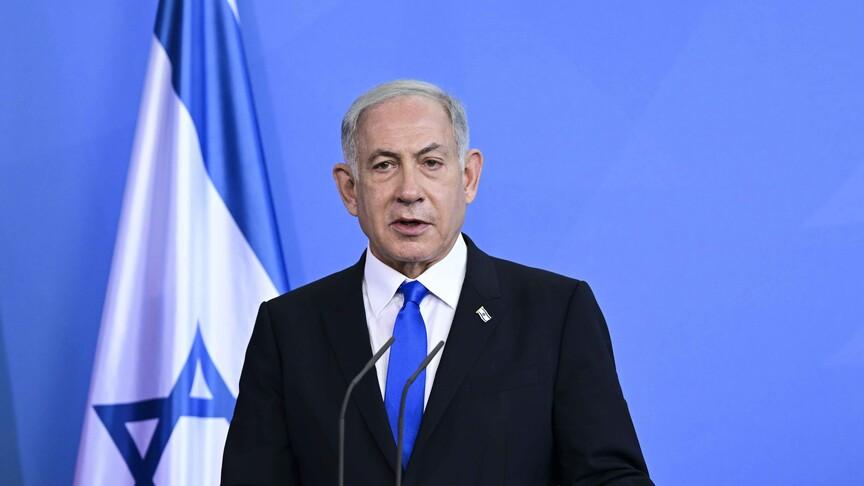
Israeli Prime Minister Benjamin Netanyahu is attempting to leverage his upcoming address at the United Nations General Assembly to bolster his prospects in the October 27 elections, but he faces significant difficulty securing a meeting with US President Donald Trump during his visit to New York, according to an analysis published by Times of Israel. It appears that the White House is unwilling to arrange this meeting despite Netanyahu's office efforts to influence it, as Trump recently met with New York Mayor Zohran Mamdani without offering explicit support for Netanyahu's re-election.
Diplomatic correspondent Lazar Perelman stated that the US President was not prepared to make the meeting happen even with opinion polls showing Netanyahu's bloc slightly ahead of its rivals but still far from the majority needed to form a government. Perelman noted that the lack of a meeting deprives Netanyahu of an opportunity to revive his past claims that his strong relationships with world leaders distinguish him from rivals, particularly candidate Gadi Einkot, and also robs him of a platform to discuss Israel's interests directly in Iran, Lebanon, and Gaza with Trump.
Netanyahu faces significant internal challenges related to voter anger over his failure to prevent the October 7, 2023 attacks and his refusal to establish an official inquiry committee into the disaster, along with his former coalition's rejection of summoning Haredim and growing fears of extremism in society. His expected speech will focus on confirming Israeli military control over more than 60% of the Gaza Strip and promising to dismantle Hamas, without explaining how this would be achieved or mentioning that over 40 people were executed after their capture.
It is also expected that Netanyahu will highlight the damage inflicted upon Hezbollah in Lebanon and the continued Israeli military presence in the south, while facing difficulty presenting results of military campaigns against Iran as a "victory" given the absence of any Iranian concessions regarding its nuclear program or the Strait of Hormuz. His speech appears to be an attempt to influence Trump's stance on Tehran, especially with Trump envoys continuing talks with Iranian officials seeking an agreement after the US midterm elections.
Netanyahu's official agenda in New York features a notable lack of high-level leader meetings that characterized his previous General Assembly visits, which Perelman attributes partly to the damage caused by his far-right coalition partners to Israel's international standing. New York Mayor Mamdani described Netanyahu as a "war crime" and an "engineer of a horrific genocide against Palestinians," calling on US federal authorities to execute the arrest warrant issued by the International Criminal Court in November 2024.
Analysis & context
Analysis & Context
From an analytical perspective, Trump's disregard for Netanyahu reflects a shift in US-Israel political dynamics, where the US President no longer adheres to traditional considerations of publicly supporting the Israeli Prime Minister. This decline occurs as international tensions over the Palestinian issue escalate, particularly with increasing protests in New York due to allegations of genocide in the Gaza Strip and violations in the occupied West Bank.
In a broader context, reports indicate that Netanyahu's far-right extremist ally contributed to damaging Israel's international standing, preventing high-level meetings that characterized his previous UN visits. This diplomatic isolation reflects a fundamental change in the geopolitical environment in which Israel operates, facing increasing pressure from the international community and human rights organizations.
Additionally, the US stance on Iran remains complex, with no indications of Iranian leadership willingness to make concessions regarding its nuclear program or the Strait of Hormuz before the US midterm elections. This reality forces Netanyahu to frame military campaign results in Iran as "victories" despite the absence of any substantive concessions that matter to Israel, highlighting the gap between political rhetoric and the difficult geopolitical reality.