A location that made history
Muscat lies on the Gulf of Oman in a natural bay surrounded on three sides by rocky mountains. This position made it a harbour sheltered from the wind and close to sea trade routes between the Gulf, India and East Africa. For centuries Muscat was a stop for merchant ships and a place to exchange goods.
The Portuguese era
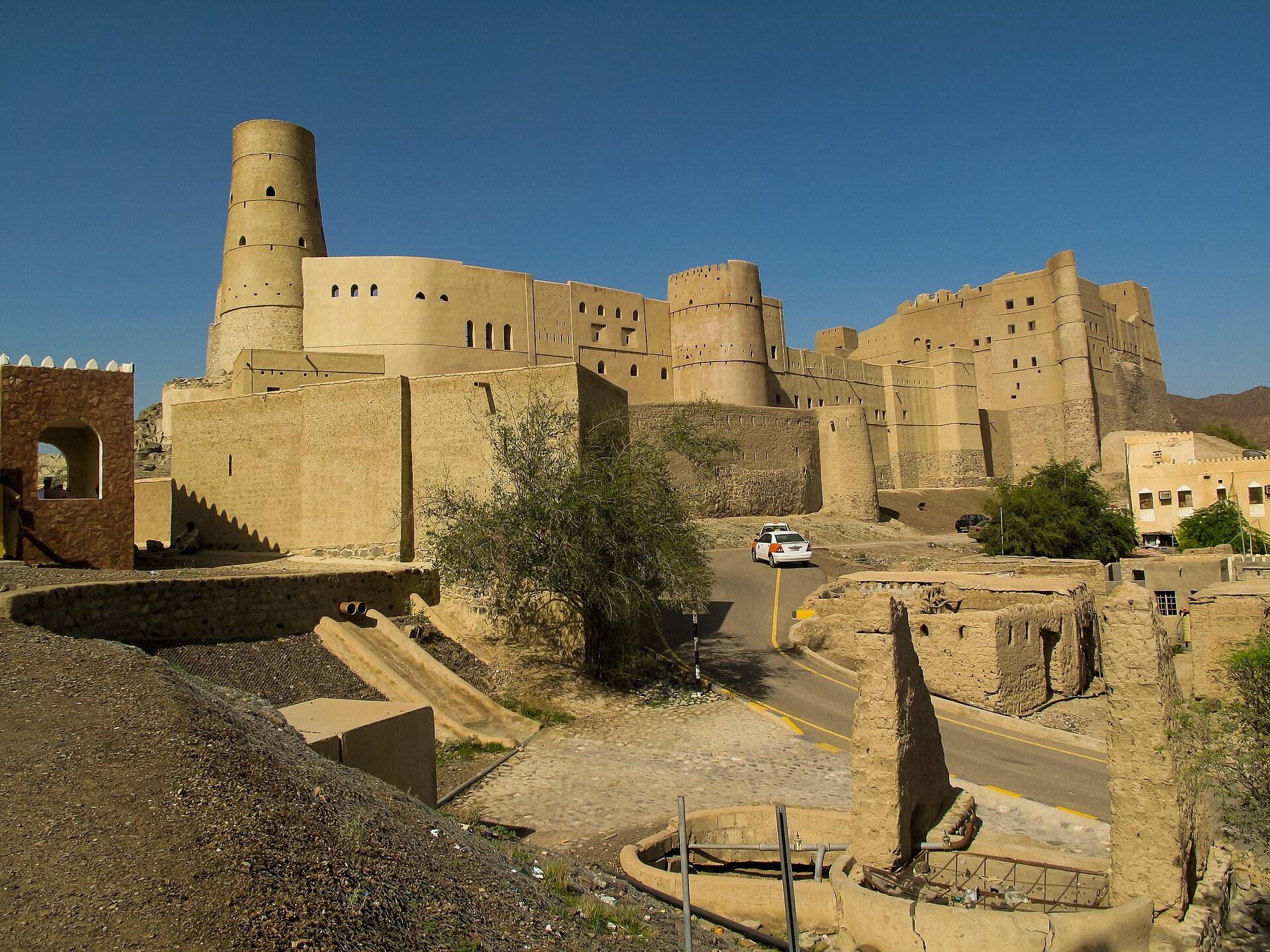
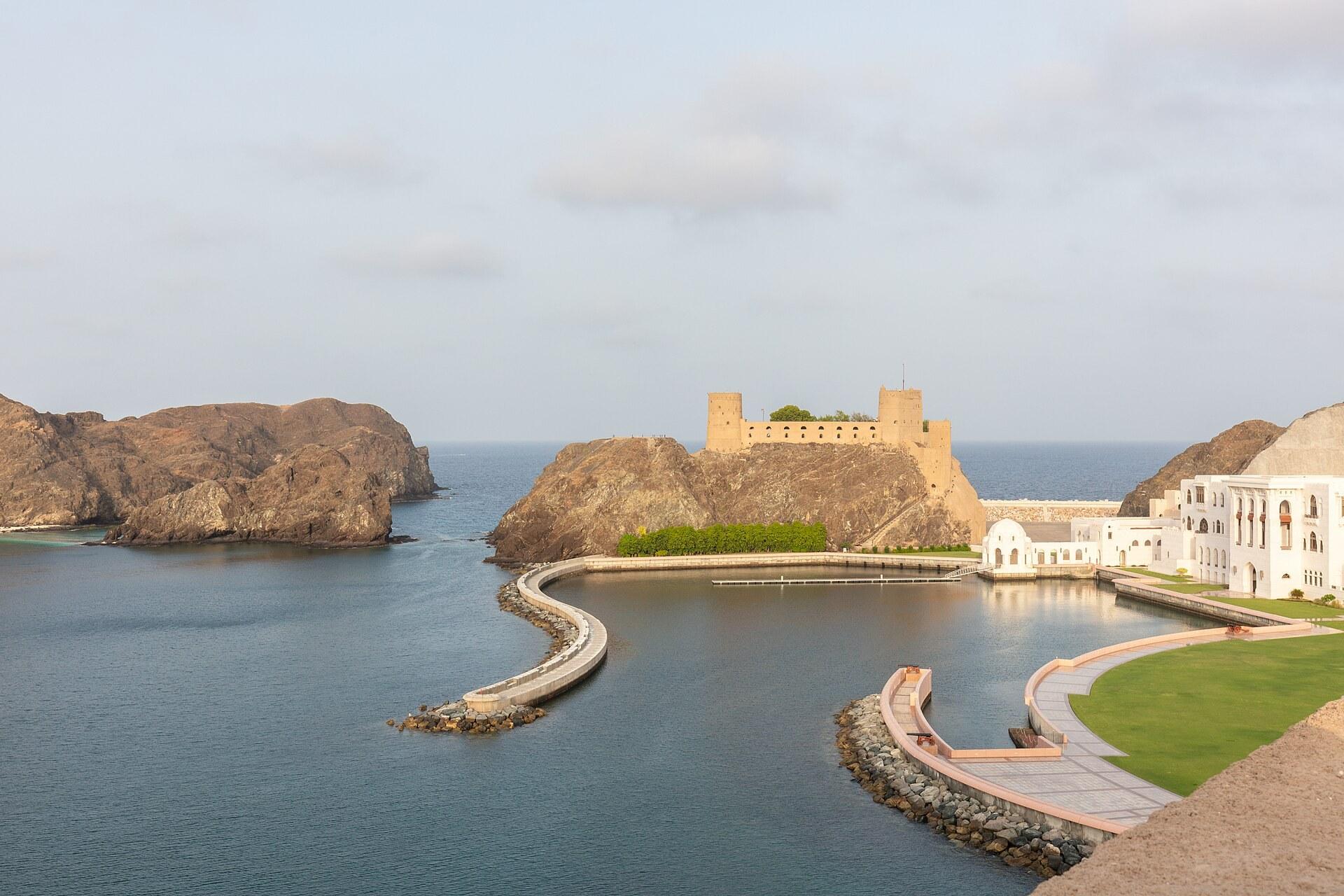
In the early sixteenth century the Portuguese seized several Omani ports, including Muscat, as part of their bid to control Indian Ocean trade routes. During their presence they built or expanded fortifications on the heights overlooking the harbour, the best known being Al Jalali and Al Mirani forts.
Expelling the Portuguese
In the mid-seventeenth century, under the Ya'aruba dynasty, Omanis drove the Portuguese out of Muscat, around 1650 in the reign of Imam Sultan bin Saif. It did not stop there: the Omanis built a powerful navy whose influence reached the coasts of East Africa.
Muscat as capital
Under the Al Busaidi dynasty, Muscat became an important political and commercial centre. Through the nineteenth and twentieth centuries the old town stayed enclosed by its wall and gates, before Muscat and its surroundings grew enormously after 1970 with the start of the renaissance.
Landmarks that tell the story
Al Jalali and Al Mirani forts
They stand on either side of old Muscat's bay, overlooking Al Alam Palace, and remain among the city's most photographed landmarks.
Muttrah souq
One of Oman's oldest markets, on the Muttrah corniche, with shops selling incense, frankincense, silver, fabrics and spices. It keeps its traditional character with narrow covered lanes.
Muttrah corniche
A waterfront along the harbour, overlooked by traditional houses and a fort, and one of the best places for an evening walk.
Museums
Muscat has several museums presenting Oman's history, most notably the National Museum, which gives a comprehensive picture of the country's history and culture through the ages.
Muscat today
Muscat has grown from a small walled town into a modern capital stretching along the coast, while keeping its distinctive architecture: low-rise buildings, mostly white, and designs inspired by traditional Omani architecture.
Conclusion
Muscat sums up Oman's story: a seafaring trading nation that resisted foreign domination, built a wide maritime presence and then entered the modern era without giving up its identity. Walking among its forts and markets is the closest way to understand that story.