Sourced fact
The News
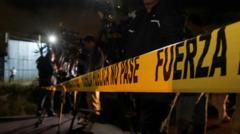
Costa Rican journalist Camilo Rodriguez, 50 years old, was shot dead by armed men on a motorcycle while he was walking through his car north of the capital San Jose on Monday. This incident marks the first murder of a news correspondent in the country since more than two decades, amidst a rise in transnational crime gangs driving up murder rates that were previously low.
Police stated that the victim had received death threats from drug trafficking gangs shortly before his assassination. Rodriguez named public figures such as judges, merchants, and politicians in videos he posted on social media, accusing them of corruption or links to drug gangs.
Yanansy Noguera, president of the Costa Rican Journalists Association, said all available evidence points to an attempt to silence a dissenting voice in the country that published information about organized crime. She also described President Laura Fernandez's attack as "a blow to freedom of expression," confirming she ordered police to cut off the branches of the perpetrators and hold them accountable to the fullest extent allowed by the laws.
Attorney General Carlo Diaz said that silencing those who report on drug trafficking or corruption, especially if the victim is a correspondent, is an unbearable sign in a democratic society. Rodriguez had tried to run for political office in 2021 as a candidate for the Costa Rican Renewal Party before election authorities rejected his nomination due to the party's failure to meet necessary conditions.
Analysis & context
Analysis & Context
From an analytical perspective, the murder of this Costa Rican journalist represents a dangerous precedent in the country's history, marking the first killing of a reporter in more than two decades in Costa Rica. This incident reveals the growing danger of transnational organized crime infiltrating political and social institutions, threatening the stability of the state and freedom of the press.
In the broader context, local reports indicate that this murder is not merely an isolated crime but a sign of Costa Rica's transformation from a country with low murder rates to a more dangerous environment where international gangs exercise increasing influence. This has led to a rise in mortality rates in the country, raising international concerns about the future of democracy and free press in the region.
Additionally, the rejection by Costa Rican authorities of Rodriguez's candidacy for the presidential election in 2021 due to the party's failure to meet required standards may have deeper political implications regarding the impact of gangs on the democratic process. Rodriguez had attempted to run as a presidential candidate for the Costa Rican Renewal Party, but election authorities rejected his nomination after the party failed to meet the necessary conditions for presenting candidates.
Finally, President Laura Fernandez's reaction, describing the attack as "a black mark on freedom of expression," reflects the growing tension between the government and organized criminal groups. She clarified that all evidence points to silencing a dissenting voice in Costa Rica who published information about organized crime in the country, confirming that the issue goes beyond a mere ordinary murder case to become one concerning human rights and media freedom.
Rodríguez had denounced alleged links between criminal organisations and powerful figures in Costa Rica.