Sourced fact
The News
King Charles III began his Caribbean tour by acknowledging the profound suffering of the past amidst renewed demands from region countries for reparations for the slave trade. During a conversation in the Bahamas, he stated that the country's culture was born from historical injustice and it is important to recognize this injustice.
The King said his nine-day tour will conclude at a meeting of Commonwealth heads of government (CHOGM), where leaders confirmed their participation to discuss the legacy of slavery in the region. Buckingham Palace denied that the King was reluctant to talk about the legacy of colonialism and the impact of the slave trade but clarified that he would not apologize for Britain's role in selling humans or offer reparations consistent with the UK government's position.
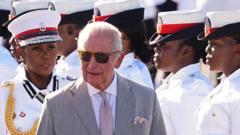
In his first meeting after arriving on Tuesday, the King met Governor-General Dame Cynthia Pratt and Prime Minister Philip Davis before speaking to members of the Royal Bahamas Defence Force and inspecting the honour guard, then traveled to a youth gathering at Clifford Park where he celebrated the country's independence in 1973 as Prince of Wales amidst cheers from attendees who granted students a school holiday to participate.
The gathering witnessed a group of protesters who shouted "Pay us what you owe" and "Return the things you stole," while one protester, Shannon Bourcier-Cooper, called on the King to use his influence to change the UK government's stance, saying they would become a republic and ignore England if he did not show respect for former colonies.
The King also praised his 50-year commitment to fighting climate change and pointed to the challenges facing low-lying Caribbean islands, saying our world is crying out for healing, and called on youth to take up the sacred mission of participation because everyone's future will be measured by how they respond to the call to care for the planet.
A Buckingham Palace spokesperson said the tour program would focus primarily on highlighting modern partnerships and future opportunities that have a transformative impact on the region, adding that the journey represents a new journey at once while continuing a lifelong journey in which the King seeks to understand and educate about painful aspects of the past.
The King is scheduled to travel later this week to Guyana where his activities will focus on the environment and biodiversity before visiting Antigua and Barbuda where he will attend the annual Commonwealth summit with Queen Camilla, ascending as leader of the organization ahead of leaders from 56 countries to address common challenges.
Analysis & context
Analysis & Context
From an analytical perspective, King Charles' position represents a delicate balance between emotional and moral recognition of past suffering and strict political commitment to the British government's stance that rejects official apologies or material compensation. This approach reflects the complexity of modern international relations as leaders seek to heal historical wounds without compromising the legal and political sovereignty of parent countries.
In the broader context, the Caribbean region remains a historical center for European slave trade that formed the basis of many economies in the 18th and 19th centuries. The continued demands from Caribbean countries for "moral debts" or reparations reflect ongoing global debate about transitional justice and state responsibility for historical actions, especially with increasing awareness of the impact of these practices on current cultural identity.
The organization of the Commonwealth Heads of Government Meeting (CHOGM) in Antigua and Barbuda highlights the region's importance as a diplomatic platform to reshape ties between Britain and Commonwealth countries comprising 56 nations. The summit aims to address common challenges such as climate change and poverty, making the visit an opportunity to invest historical legacy in practical future partnerships rather than mere political symbolism.
Finally, the role of youth in these events emerges as a driving force for change, where their gathering in the Bahamas represents a new generation demanding clear historical responsibility. The King's call to them for planetary stewardship links painful past with sustainable future, reflecting a shift in global discourse toward comprehensive environmental and social sustainability.