Sourced fact
The News
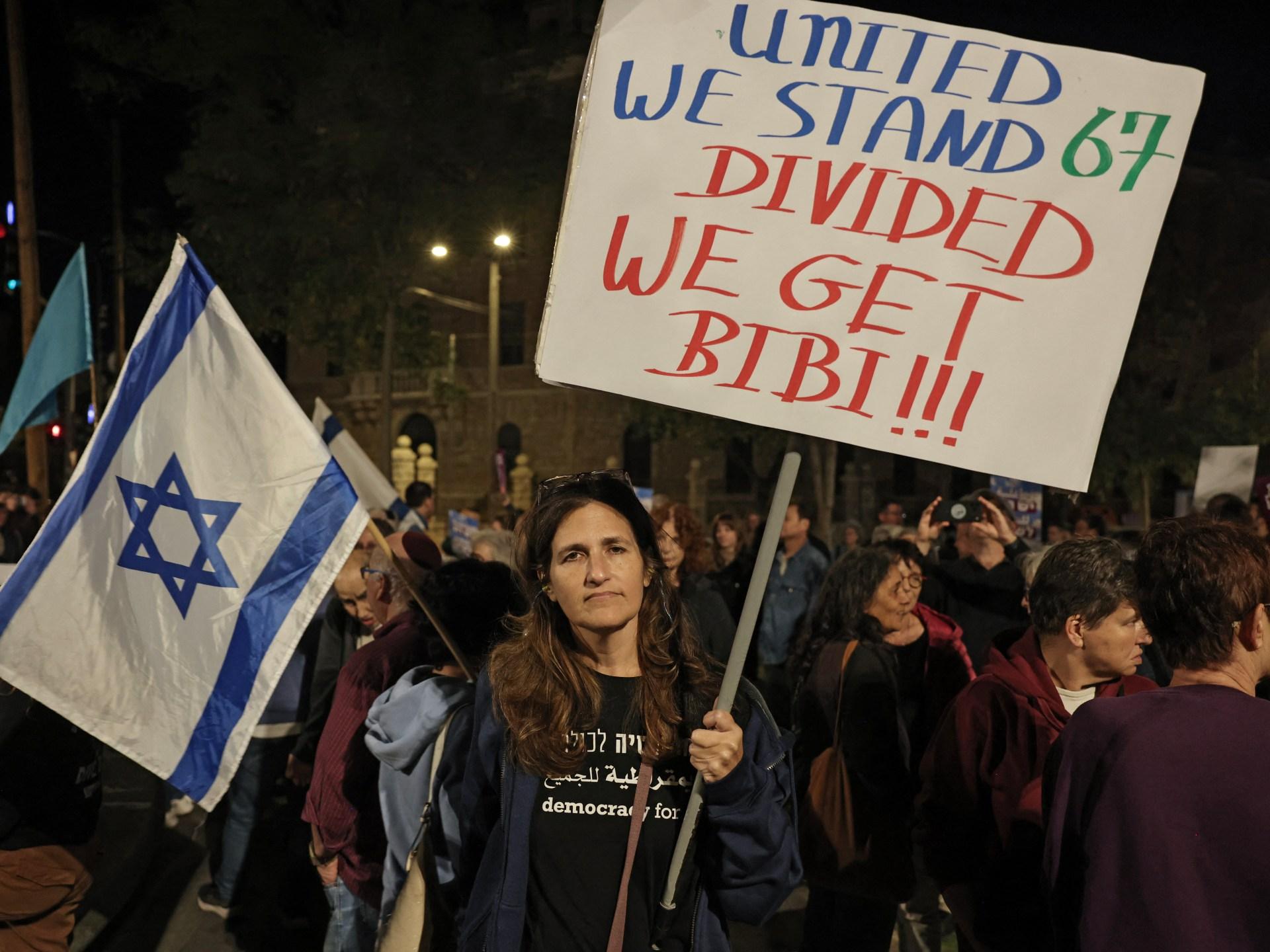
Israeli Prime Minister Benjamin Netanyahu lost his parliamentary majority following the legislative elections held on October 27, where his pro-government coalition secured only 53 out of 120 seats in the Knesset. However, the opposition Jewish bloc opposing him also failed to achieve the required majority, leaving Israel without a clear path to forming a new government amid expectations of hours of political negotiations between rival factions.
The final results reveal that Netanyahu's bloc includes the Likud party with 27 seats and the United Jewish List with 7 seats, while the opposition bloc secured 48 seats led by Yesh Atid, Beytenu, and the Democratic Front parties. Arab-led parties garnered 19 seats between the Joint List and Ra'am Movement, meaning all current coalitions lack the 61 seats necessary to form a majority government, compelling some parties to ally across ideological lines.
Israeli President Isaac Herzog must appoint a member of the new Knesset to form a government by November 11, granting the candidate 28 days to complete the task or extending the deadline by an additional two weeks if needed. Herzog has not yet specified who he will assign the task to, but the most likely candidates are Netanyahu himself or former soldier Gadi Eisenkot, who led Yesh Atid in the opposition and received the highest number of votes within his bloc.
The President has called on politicians to avoid rigid partisan positions and seek creative solutions to avoid a second round of elections. Analysts believe an alliance between the opposition and Arab parties could be possible despite Eisenkot's previous rejection of this option. Mansour Abbas, head of Ra'am Movement, indicated his party's willingness to work with the opposition camp without considering Eisenkot's conditions as an obstacle, while Youssef Jabareen from the Joint List affirmed that change comes through genuine partnership between Jews and Arabs.
Should the first and second candidates fail to form a government within the specified deadline, the Knesset may propose a third candidate with 14 days remaining to succeed before the official dissolution of the Knesset and calling for new elections in Israel within 90 days. Netanyahu will remain interim Prime Minister until a new government is formed, which could extend his term if negotiations continue without decisive results.
Analysis & context
Analysis & Context
From an analytical perspective, the current situation reflects the depth of political division in Israel, where traditional blocs are unable to reach agreement, opening the door to unprecedented scenarios such as a minority government or a national unity government bringing together former adversaries. In the broader context, reports indicate that some Arab political leaders within the Knesset may be willing to work with Netanyahu's opposition camp, although Jewish opposition leaders previously ruled out partnership with Arab parties.
Regarding constitutional mechanisms, President Herzog possesses the authority to assign any member to form the government and can request multiple candidates if the first fails to succeed within the specified deadline. Additionally, Netanyahu's continued role as interim leader until a new government is formed could extend his tenure as the longest-serving Prime Minister in the country's history, even if he does not enter the next coalition.
The ongoing debate over the possibility of partnership between Jews and Arabs in Israel highlights the importance of this political shift, with some experts viewing genuine and equal partnership between both sides as the only way to avoid further elections and stabilize Israeli democracy. However, political and ideological obstacles remain and may hinder any attempt to form alliances among different factions.
Finally, failure to form a government could lead to the official dissolution of the Knesset and new elections must be held within 90 days, meaning Israel faces a sensitive transitional period that could determine its political and social future in the coming months.