Sourced fact
The News
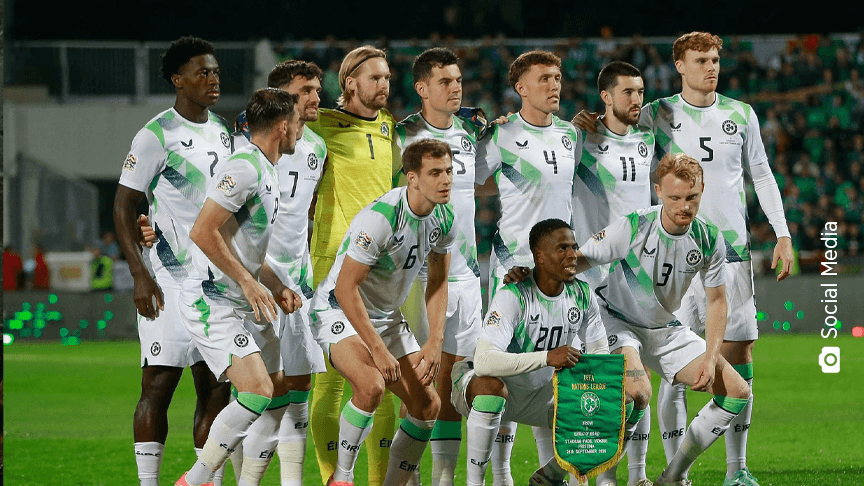
The Republic of Ireland national team is scheduled to play a UEFA Nations League match against Israel on Sunday in Budapest despite the concerns and controversy surrounding the fixture. The Football Association of Ireland confirmed that the match will take place as planned after consulting with players who held differing views on the matter.
David Currie, the FAI's chief executive, stated that a large majority of players voted in favor of playing the match despite some objections. He added that the team intends to wear black armbands for its players during the match as a statement in support of the lives of victims in the conflict in Gaza.
Currie clarified at a postponed press conference that the FAI made this decision after consultations with players who expressed varied opinions, emphasizing the association's respect for all players' perspectives and its appreciation of the sensitivity surrounding these matches.
According to Irish media reports, goalkeeper Gavin Bazunu and several other players requested withdrawal from the squad before the match, while midfielder Jason Knight became the first national team player to publicly oppose the fixture, describing the situation as "playing against genocide."
More than 160 Irish athletes also signed an open letter calling on the national team not to participate in the game. A "Stop the Match" campaign organized protests demanding that Israel be suspended from international football, leading to a 15-minute postponement of the match management press conference amid speculation about the possibility of cancelling the fixture.
The first leg will be played at Nagyerdei Stadium in Debrecen on Sunday, while the second leg, originally scheduled for Dublin, has been moved to Partizan Stadium in Serbia and will be held behind closed doors on October 4, raising questions about the future of sporting relations between the two countries.
Analysis & context
Analysis & Context
From an analytical perspective, the FAI's decision represents a delicate balance between escalating ethical and political pressures and international sporting commitments. The decision to remain in the match reflects the sports institution's desire to maintain the continuity of official competitions, while wearing black armbands symbolizes an attempt to reconcile participation with a humanitarian stance toward the victims of the conflict in Gaza.
In a broader context, this incident points to the growing influence of political and religious issues on global sports, where international matches have transformed into platforms for expressing sensitive political positions. This trend highlights how major geopolitical events, such as the conflict in the Middle East, directly impact the international sporting agenda and affect decisions by continental and international federations.
A clear divergence in players' opinions within the same team is also evident, with some players expressing discomfort and describing participation as "playing against genocide." This reflects the deep ethical divisions facing modern sports. Such divisions require sports associations to make sensitive decisions that respect the rights of all parties while maintaining the integrity of competition.
Finally, the relocation of the second leg from Dublin to Serbia behind closed doors demonstrates UEFA's flexibility in managing the competition schedule despite exceptional circumstances, reflecting an effort to overcome logistical and political obstacles that may hinder international tournaments.