Sourced fact
The News
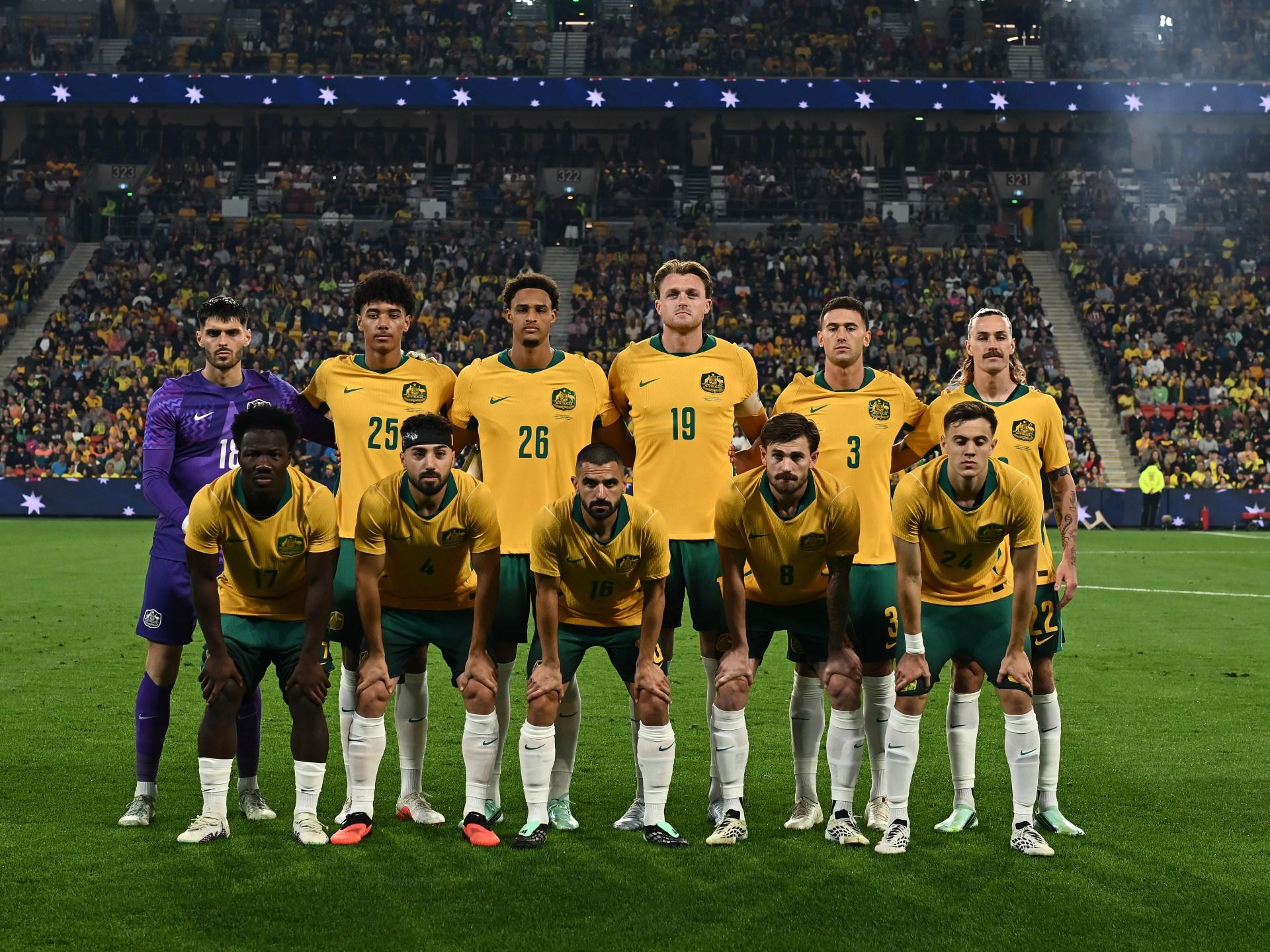
The international football friendly match between Australia and Jordan, scheduled for next week, has been relocated to Doha following security concerns regarding hosting the game in Amman, according to the Football Australia (FA) agency. This match, originally set to take place on Tuesday, was postponed after a request from Football Australia to move it, as players expressed a strong desire for this change.
Martin Kugler, CEO of Football Australia, stated in a statement that they thank the Jordanian Football Association for accepting the relocation, noting that dialogue with the Jordanian side remained open, respectful, and cooperative throughout last week. He added that although the Jordanian team and youth were prepared to welcome the Australian team in Amman, security conditions necessitated this decision benefiting both parties.
In a related development, Jordan also cancelled its friendly match against Indonesia at the request of the Indonesian Football Association. While matches against Qatar and Jordan were part of Australia's preparations for the Asian Cup, which is set to take place next December, these changes come after the tournament itself was postponed by several months following Houthi attacks supported by Iran on Saudi Arabia, the host nation of the competition.
Analysis & context
Analysis & Context
From an analytical perspective, this decision highlights the sensitivity of the security environment in the region and its direct impact on international sporting schedules, where federations make swift decisions to protect players and matches from any potential threats. Jordan is a strategic partner of the United States and enjoys relative stability compared to its neighbors; however, recent rare attacks in Amman, including the killing of a security officer and another injured in a knife attack, have influenced regional security calculations.
In a broader context, the friendly matches against Qatar and Jordan were part of Australia's preparations for the Asian Cup, which was postponed to next December due to attacks targeting Saudi Arabia from Houthi forces supported by Iran in Yemen. This general delay of the Cup adds another layer of complexity to team schedules, making any changes in match locations more sensitive and impactful on the strategic planning of the team.
This incident also demonstrates how international sporting relationships are affected by political and security factors that transcend traditional boundaries, where a single country's decision to cancel or relocate a match can alter the entire sports season. The open cooperation between federations, as mentioned by Martin Kugler, reflects a high-level sporting spirit seeking to maintain competitive continuity despite external challenges.