Sourced fact
The News
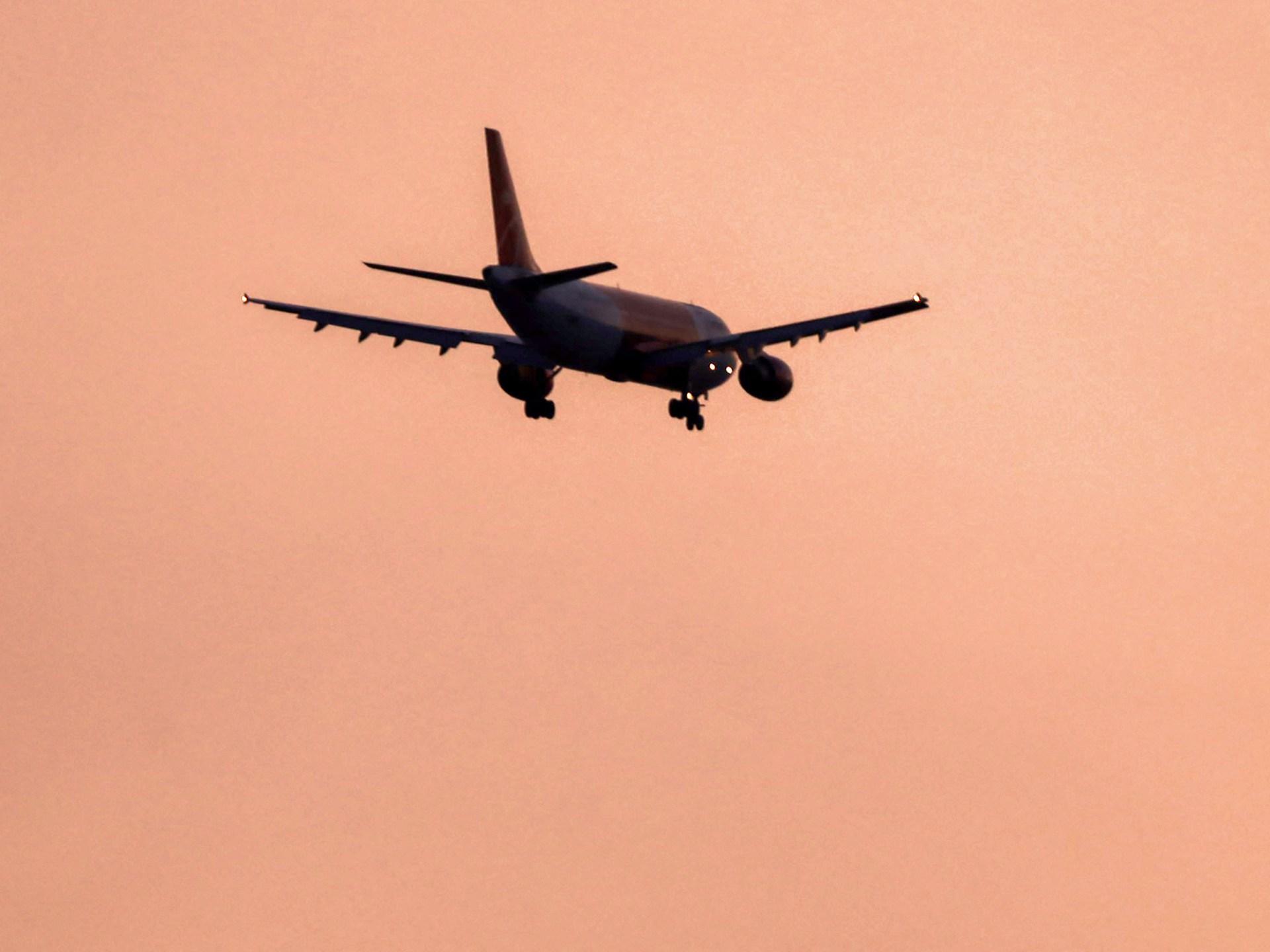
Four Iraqi airports have suspended all direct air flights to Iran following new US sanctions imposed on global companies doing business with Iranian airlines. The closed airports include Baghdad, Najaf, Erbil, and Sulaymaniyah, forcing travelers to switch to overland routes that take at least 12 hours depending on the destination. This move comes as part of the tightening of US sanctions since launching "Operation Economic Boycott" in August with the aim of economically isolating Iran.
Najaf Airport official Hussein Mahna clarified that the flight suspension was based on instructions from the Prime Minister's Office to the provincial governor, while the Iranian consulate in Najaf responded via X (formerly Twitter) by questioning the closure of an airport considered a pilgrimage destination for Shia Muslims. Local sources revealed that Iranian airlines were operating 20 daily flights before the ban, reducing them to just four flights per day afterward.
Al Jazeera correspondent Jack Hughes stated that the central Iraqi government has not issued any official statement regarding the closure, attributing this to its reluctance to provoke anger among pro-Iranian factions within the Iraqi parliament. The correspondent also noted that ground service providers such as fuel suppliers are unwilling to risk secondary sanctions and loss of access to the US dollar international system.
In another development, Iran's Supreme National Security Council warned neighboring countries against imposing an air embargo, while its airlines now rely on limited routes with Turkey, Russia, China, and Armenia to remain operational. Correspondent Sinem Kosoglu added that while Iran is no longer completely cut off from air travel, it has shrunk significantly due to these successive measures.
Analysis & context
Analysis & Context
From an analytical perspective, suspending these flights represents a major challenge to religious and cultural ties between the two countries, as both nations have Shia majorities. Flights between Najaf carry Iraqi Shias to holy cities in Iran or Iranians visiting sacred sites in Iraq. The Iranian consulate in Najaf responded via X with sarcasm toward the decision, stating that Najaf—the shrine of the first Imam of Shia Islam—and the city of the last Imam are closed to the world's largest Shia nation.
In a broader context, Iranian airlines currently depend on a limited number of remaining routes with Turkey, Russia, China, and Armenia to maintain operations, while other regional countries such as the UAE and Qatar cancel or restrict their flights to Iran to comply with US sanctions. Despite warnings from Iran's Supreme National Security Council to neighboring countries against imposing a US air embargo, ground service providers like fuel suppliers and baggage handlers are unwilling to risk secondary sanctions and disconnection from the international US dollar system.
Correspondent Jack Hughes explained that the central Iraqi government has not issued an official statement regarding the flight suspension, perhaps because it does not want to disturb pro-Iranian factions in the Iraqi parliament. He added that Iraq is in a very difficult position, being tied to both the United States and Iran, making it pressured between the two parties during such critical times.