Sourced fact
The News
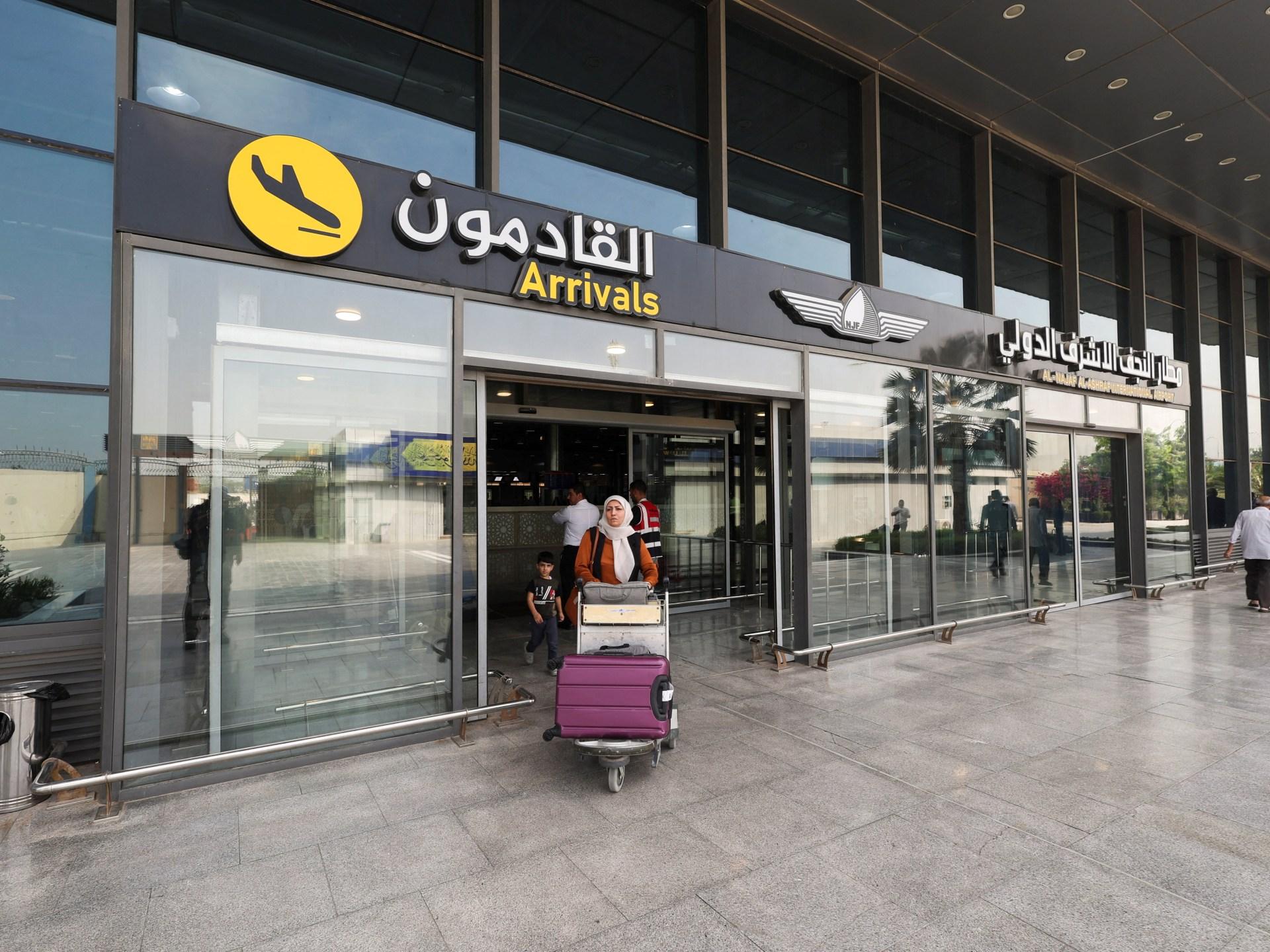
Iraq is currently engaging in direct discussions with Washington in an effort to secure exemptions for some of its airports from US sanctions targeting flights operated by Iranian airlines in the region. Following Washington's announcement of new sanctions against any global company dealing with Iranian carriers, four Iraqi airports have suspended all flights to and from Iran since Friday.
The Iraqi Prime Minister's Office clarified that Washington's exceptions for Baghdad will permit the resumption of flights "for humanitarian reasons related to medical treatment, education, religious visits, and civilian interests." A statement from the media office of Prime Minister Ali Al-Adibi further noted that Baghdad is working to reduce regional tensions, warning that prolonged crises complicate the situation. The office called on all parties to continue dialogue and negotiations to end the current crisis for the benefit of countries and peoples in the region.
The suspension of flights at airports in Baghdad, Najaf, Erbil, and Sulaymaniyah has forced passengers to switch to overland routes taking no less than 12 hours. The two nations are neighbors sharing a majority Shia population; flights typically transport Iraqi pilgrims from Najaf to holy cities in Iran or Iranians visiting sacred sites in Iraq.
In Baghdad, a large number of protesters gathered on Saturday to oppose the flight suspension in a demonstration organized by Iranian-aligned Iraqi militias. Meanwhile, evening gatherings were held on Saturday night by dozens of scholars and students from the Hawza Ilmiya (seminary) in Najaf against the suspension of Iranian flights. The Scientific Association of the Hawza condemned the halt of flights, stating it occurs when the peoples of the region most urgently need to strengthen bonds of brotherhood, and called on the government to preserve Iraq's decision-making independence.
Yasser Al-Hajjaj, the Iraqi ambassador to Tehran, stated that suspending flights between the two countries would be temporary and would not affect relations. He confirmed that Baghdad is in contact with Iranian authorities to restore normal air traffic as soon as possible. Al-Hajjaj added that Iraqi-Iranian ties are "so deep that they will not be affected by a temporary crisis," noting there are approximately 100,000 Iraqi students studying in Iranian institutions and an Iraqi community numbering in the hundreds of thousands living in Iran, with thousands crossing daily.
On his part, Mohammad Kazem Al-Sadqi, the Iranian ambassador to Iraq, stated that officials from both countries are in contact and a new decision regarding flights is likely to be announced soon, according to statements by the Iranian IRNA news agency. Al Jazeera News Network suggested that Iraq is in a difficult position surrounded by the US and Iran, considering it "pressured between the two nations" during such times. The network noted that some blame Iran for this situation, feeling it exerts considerable control over Iraq, while others blame the US and Israel for initiating the war. Al Jazeera expressed that Iraq remains in a very precarious position among all these major and powerful countries, suffering economic consequences and resulting damage.
Analysis & context
Analysis & Context
From an analytical perspective, this crisis reveals a sharp contradiction between Iraq's economic and humanitarian interests and international geopolitical pressures. Iraq is a Shia-majority country sharing religion and culture with Iran, making air travel between them vital for transporting pilgrims to holy cities in both nations and for daily commercial exchange.
In the broader context, analysts describe the Iraqi situation as "pressured" between major powers, where Baghdad attempts to balance its deep historical ties with Iran against the need to maintain its economic and security interests with the United States. This delicate balance means any US decision regarding sanctions has a direct and tangible impact on the lives of Iraqi and Iranian citizens.
Data indicates there are approximately 100,000 Iraqi students studying in Iranian institutions, plus hundreds of thousands of Iraqis residing in Iran, making the suspension of flights not merely a logistical crisis but a threat to the stability of entire communities that rely on free movement between the two countries.
This situation also highlights the sensitivity of the region, where regional and international powers vie for control over the Iraqi arena. What might appear as a small step, such as closing an airport, can escalate into a major diplomatic and economic crisis requiring urgent diplomatic solutions to prevent further exacerbation of human suffering in Iraq.