Sourced fact
The News
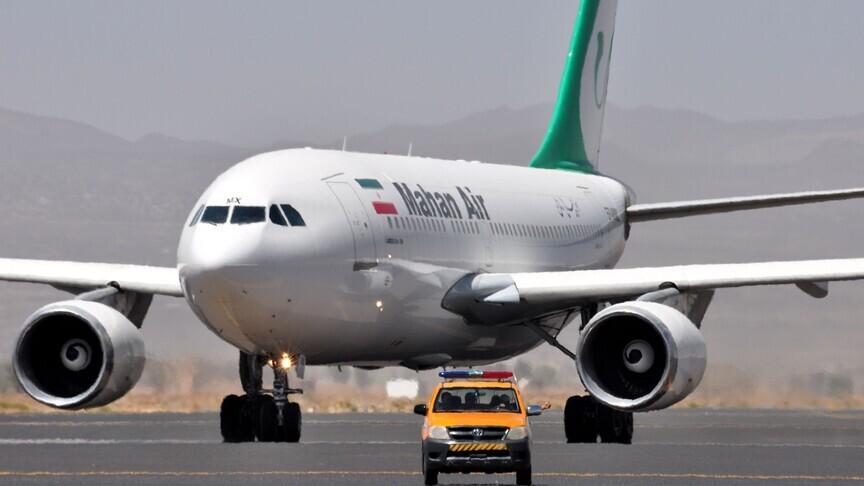
The Iranian Civil Aviation Organization announced today on Tuesday the cancellation of all scheduled air flights from the capital Tehran to airports in Baghdad, Iraq, and Muscat in the Sultanate of Oman, effective at midnight Iran local time. Majid Akhavan, spokesperson for the organization, stated in a statement relayed by Tasnim News Agency, a semi-official news outlet, that Iraqi and Omani airports will not accept any Iranian flights starting from 00:00 tonight.
The spokesperson clarified that Iranian authorities are currently coordinating consultations to reroute scheduled flights to Baghdad toward Najaf Airport instead, noting that this measure is a temporary precautionary action. Meanwhile, Akhavan confirmed the continued operation of all other international flights, including those bound for Istanbul, according to the usual schedule, with no disruption or disturbance to other aviation services.
Analysis & context
Analysis & Context
From an analytical perspective, this decision represents an administrative move related to controlling airspace and managing air traffic flow between Iran and neighboring countries. Data indicates that the cancellation covers only two major destinations without affecting broader international routes. The announcement was made through reliable official Iranian channels such as Tasnim News Agency, reflecting the nature of the decision as an internal regulatory measure implemented in coordination with authorities at the mentioned destinations.
In a wider context, this event highlights the sensitivity of air relations between Iran and Iraq on one hand, and between Iran and Oman on the other. Security or political factors may influence foreign airports' acceptance of flights arriving from Tehran. Historically, the region has experienced fluctuations in air traffic between these countries due to changes in regional alliances or security tensions that require temporary closure of certain airspace periods or rerouting of flight paths.
Additionally, Najaf Airport emerges as a strategically important alternative within Iraq for receiving Iranian flights, indicating the existence of a well-thought-out backup plan to ensure continued passenger movement despite the temporary cancellation of the primary Baghdad destination. This rerouting reflects the flexibility of Iran's air traffic management system and its ability to redirect resources quickly in response to sudden changes in entry policies or restrictions imposed by neighboring countries.