Sourced fact
The News
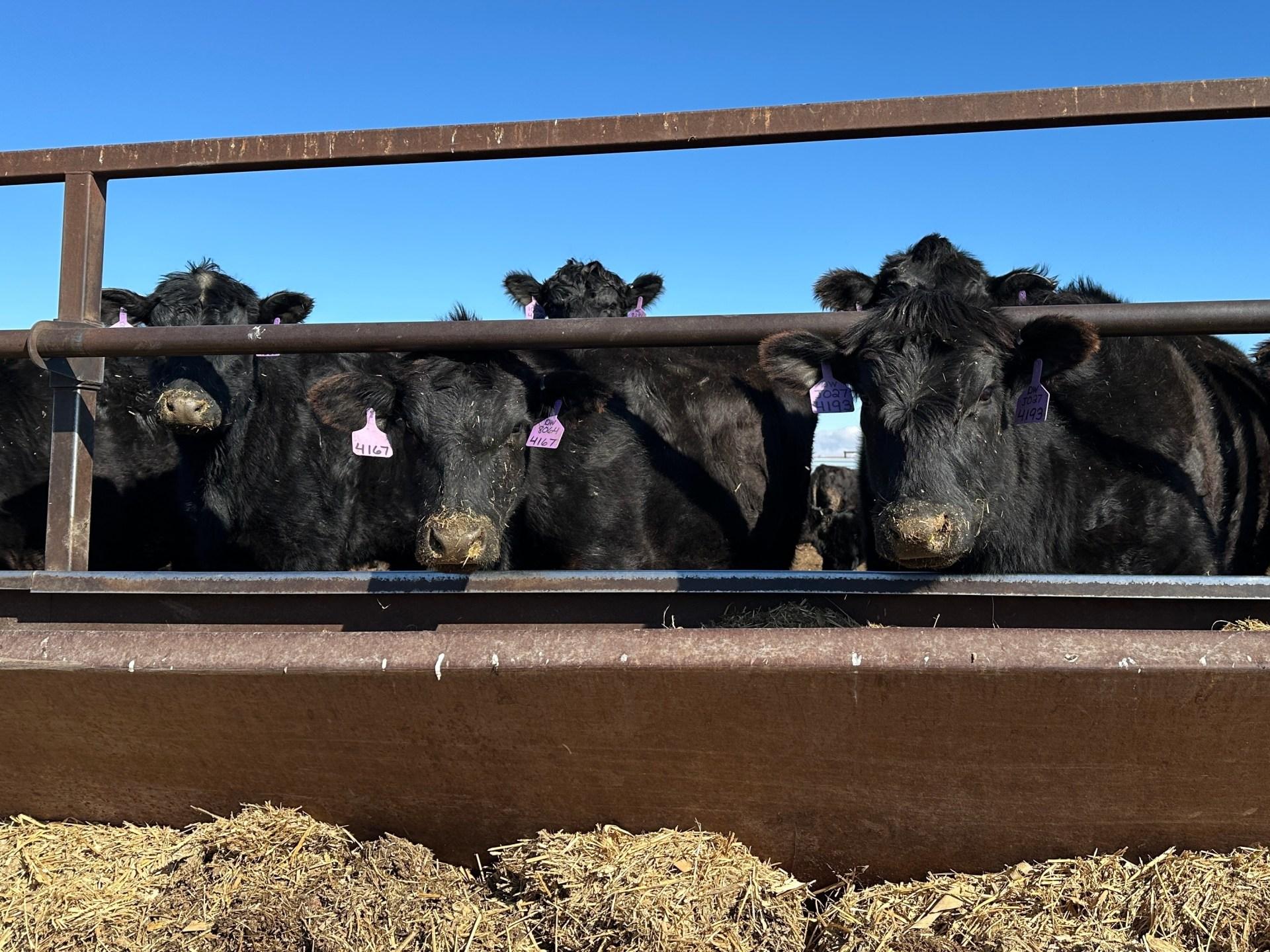
Global meat markets are facing a production crisis due to declining livestock inventories in major producing countries, resulting in rising meat prices in China. According to estimates by the U.S. Department of Agriculture (USDA), Brazil's cattle population decreased by 8% in 2026 compared to 2024. In the United States, cattle numbers have reached historically low levels, while in China, they fell by 14%. These fluctuations impact meat production and exports, increasing pressure on global markets.
This crisis is exacerbated by multiple factors, including import restrictions in China and the European Union, which have affected Brazil's exports. Additionally, drought in the United States has led to increased feed costs and reduced meat production. Moreover, immigration raids have affected the meat industry in the United States, leading to a labor shortage.
Despite rising meat prices, producers cannot quickly increase production due to the lengthy biological cycles of livestock production. Brazilian producers can maintain breeding cattle to ensure reproduction, but this entails bearing the costs and risks until the next generation produces. This creates a market where strong demand and limited supply can persist even at higher prices.
Europe is undergoing a structural shift in meat consumption patterns, as a report by the Organization for Economic Cooperation and Development (OECD) and the Food and Agriculture Organization (FAO) predicts a 5% increase in poultry production while beef and pork production is expected to decline by 10% and 7%, respectively. This shift reflects the ability of poultry to quickly respond to changes in demand due to a relatively short production cycle.
India's poultry industry faces similar challenges, having had to reduce production by 25% due to rising soybean seed prices. The Indian Poultry Producers Association stated that this step was necessary to address the high feed costs, highlighting the economic challenges faced by the poultry industry in the face of rising production costs.
Analysis & context
Analysis & Context
From an analytical perspective, this crisis highlights the challenges faced by the meat industry in adapting to changing economic and environmental conditions. Countries such as Brazil, China, and the United States are under increasing pressure due to trade restrictions and climatic conditions, leading to reduced production and rising prices.
In a broader context, global markets face challenges in meeting the growing demand for meat amid population growth and improving living standards. This creates a gap between supply and demand, intensifying pressure on meat prices and driving consumers towards cheaper alternatives like poultry, which can be produced more quickly and at lower costs.
It is worth noting that a shift towards poultry production could be an effective strategy to address the meat crisis, given the ability of poultry to respond more quickly to changes in demand. However, the poultry industry also faces similar challenges due to rising feed costs, intensifying pressure on production and prices in this sector as well.