Sourced fact
The News
Former Paraguayan Economy Minister Carlos Fernandez Valdovinos has surrendered to police following the collapse of Ueno Bank, which wiped out millions of citizens' savings.
The 61-year-old is accused of committing administrative crimes for personal gain, as well as severe negative bribery, criminal associations, and money laundering.
A arrest warrant memo seen by AFP revealed that the Attorney General's office accused him of authorizing the transfer of tens of millions of dollars from pension funds to the bank last July.
Sources added that Valdovinos left his post in August after signing a consulting contract worth millions of dollars with the business group that controlled the bank, which the prosecution considers may be linked to the pension fund deal.
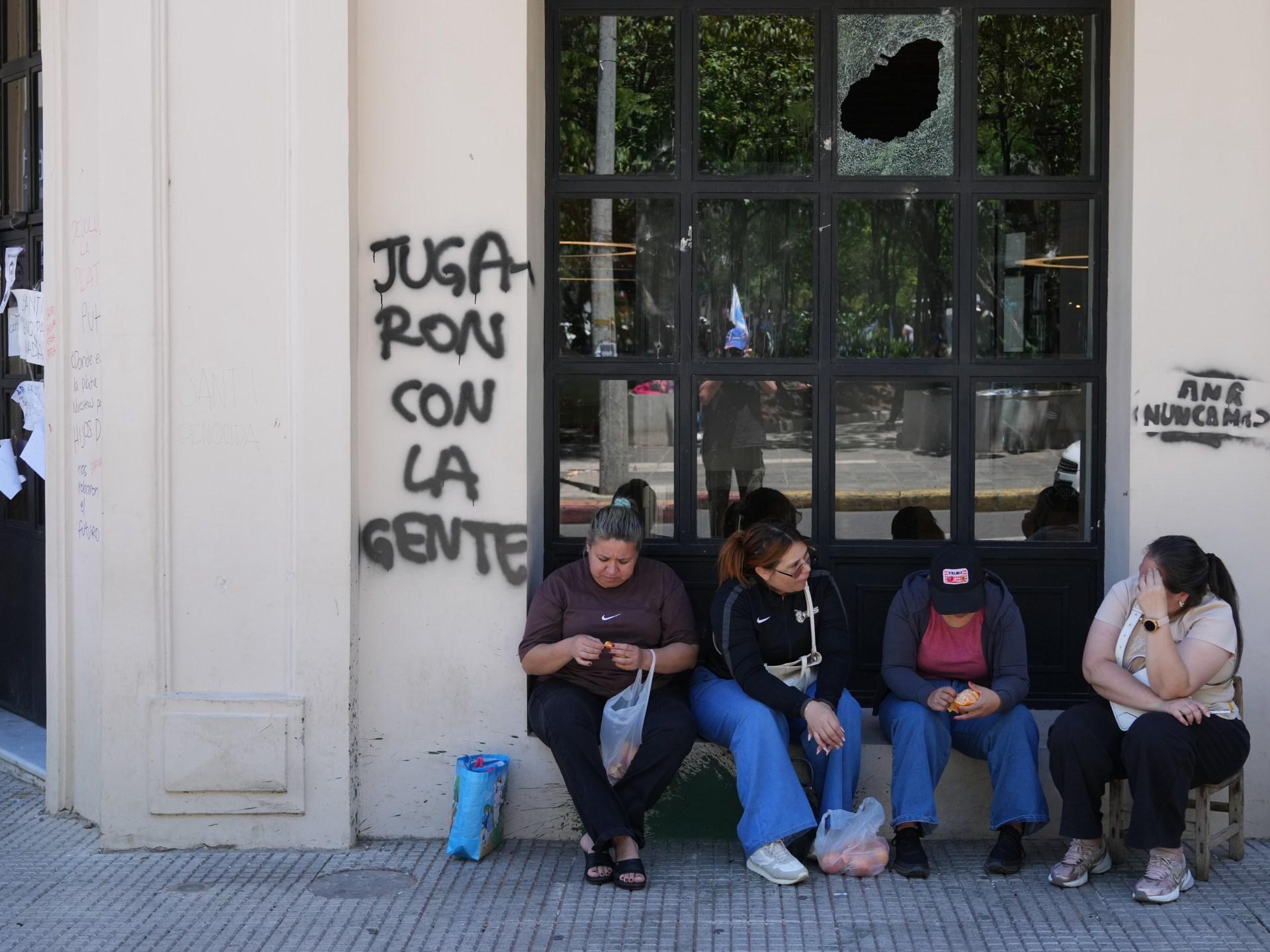
The banking situation collapsed on November 3rd when the Central Bank took control of Ueno and declared it insolvent, leading to the freezing of accounts for nearly three million clients.
The crisis triggered the ousting of President Santiago Pena, who was removed from office on November 6th after his resignation requests were rejected and a cover-up attempt regarding the bank's financial difficulties was exposed despite warnings about risky lending practices.
Official sources stated that the bank grew rapidly under Pena's rule from a fintech company into a large institution handling state pensions and multiple government entity accounts.
Analysis & context
Analysis & Context
From an analytical perspective, this crisis reveals the fragility of Paraguay's financial system, where Ueno Bank transformed from a fintech company into a massive entity handling state funds at an unprecedented pace. This rapid growth was not accompanied by sufficient regulatory controls, allowing huge financial risks to accumulate, ultimately leading to the bank's bankruptcy and harm to ordinary savers.
In the broader context, the Ueno Bank scandal reflects a fundamental shift in Paraguay's political landscape, where the ruling coalition collapsed after its political allies distanced themselves from President Pena amidst immense public and bureaucratic pressure. These events established an important legal and political precedent, where parliamentary impeachment procedures were used as an alternative to voluntary resignation in the face of accumulated financial corruption.
Furthermore, this case highlights the dual role of major banks in emerging economies, which can transform from growth tools into channels for diverting public funds if their operations are not strictly regulated. The association of high-ranking government officials with specific financial institutions raises questions about the integrity of public decision-making processes and the independence of regulatory bodies in the country.