Sourced fact
The News
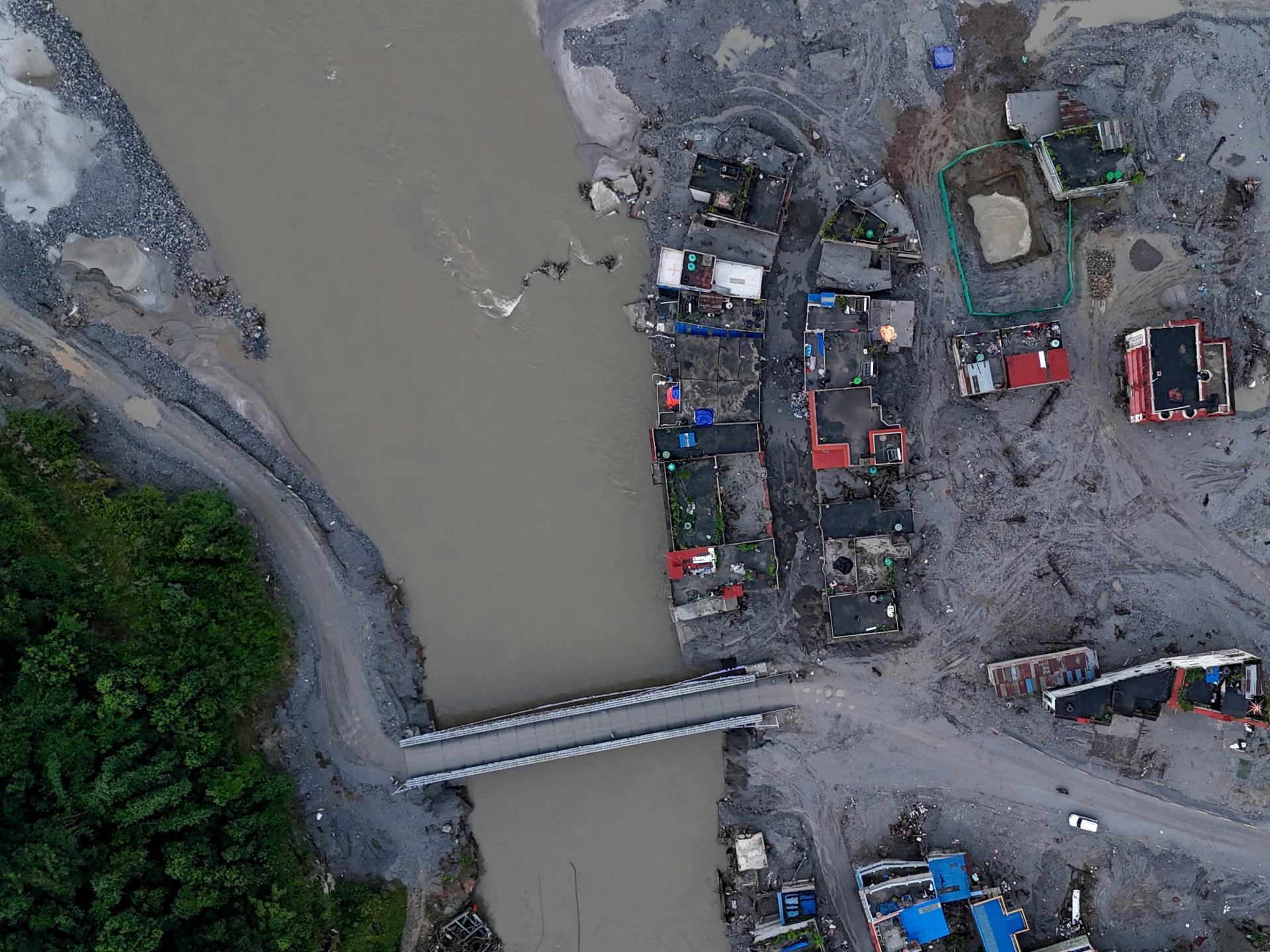
Heavy rains have triggered severe flooding and landslides that have claimed the lives of at least 56 people in India's northern state of Uttar Pradesh, while another 12 were killed in neighboring Nepal. The Central Water Commission of India reported that 30 river monitoring stations across seven states have reached a "critical" status, with major rivers including the Ganga, Kandi, and Kosiy rising above danger levels.
On Sunday, Hareeshikesh Bhaskar Yadav, Uttar Pradesh's disaster relief commissioner, stated that the state recorded 66.5 mm of rainfall between Friday and early Sunday morning compared to an average of 7.6 mm, leading to damage to over a thousand homes. He added that these deaths and injuries occurred during a period of "exceptionally heavy rains" that affected most parts of the state after a low-pressure system moved over the Bay of Bengal, intensifying precipitation in the region.
In eastern Odisha state, more than 70,000 people were evacuated from low-lying areas due to rising river levels, while bridges and drainage pipes were damaged, forcing authorities to close a popular tourist destination, Devkund. Meanwhile, in Nepal, officials warned of the possibility of flash floods in 49 out of 77 districts as major rivers and waterways continue to rise.
Nepal's Minister of Water Resources and Energy, Bijaya Bhatta Sherrestha, said that flooding on the Rahananga River damaged the structure and transmission towers of a 40-megawatt hydroelectric project, while the Ministry of Energy reported that power supplies were interrupted in several areas and authorities are working to restore them. Shanti Mahata, representing the Disaster Risk Reduction Authority, emphasized that areas like Rasuwa and Nuwakot must remain on alert despite not currently being classified as high-risk zones.
Analysis & context
Analysis & Context
Analytically, Uttar Pradesh is one of the most disaster-prone regions in the Indian subcontinent due to its geographical location and the annual monsoon winds that extend from June to September. Data indicates that climate change has intensified weather phenomena, where once-moderate monsoon rains have turned into catastrophic storms destroying critical infrastructure such as bridges and water pipes.
In a broader context, Nepal faces immense challenges due to its mountainous terrain, which makes it vulnerable to landslides and flash floods when major river levels rise. The Nepali Minister of Water Resources and Energy emphasized that flooding on the Rahananga River damaged the structure and towers of a 40-megawatt hydroelectric project, highlighting the direct economic impact of these disasters.
Reports from NDTV also indicate that thousands of residents in eastern Odisha state were evacuated from low-lying areas after river levels rose, reflecting the vast human impact of this phenomenon across several different Indian states. Authorities are currently working to restore power supplies and repair damaged infrastructure in the most affected areas, including Rasuwa and Nuwakot, which were targets of deadly floods last month.