Sourced fact
The News
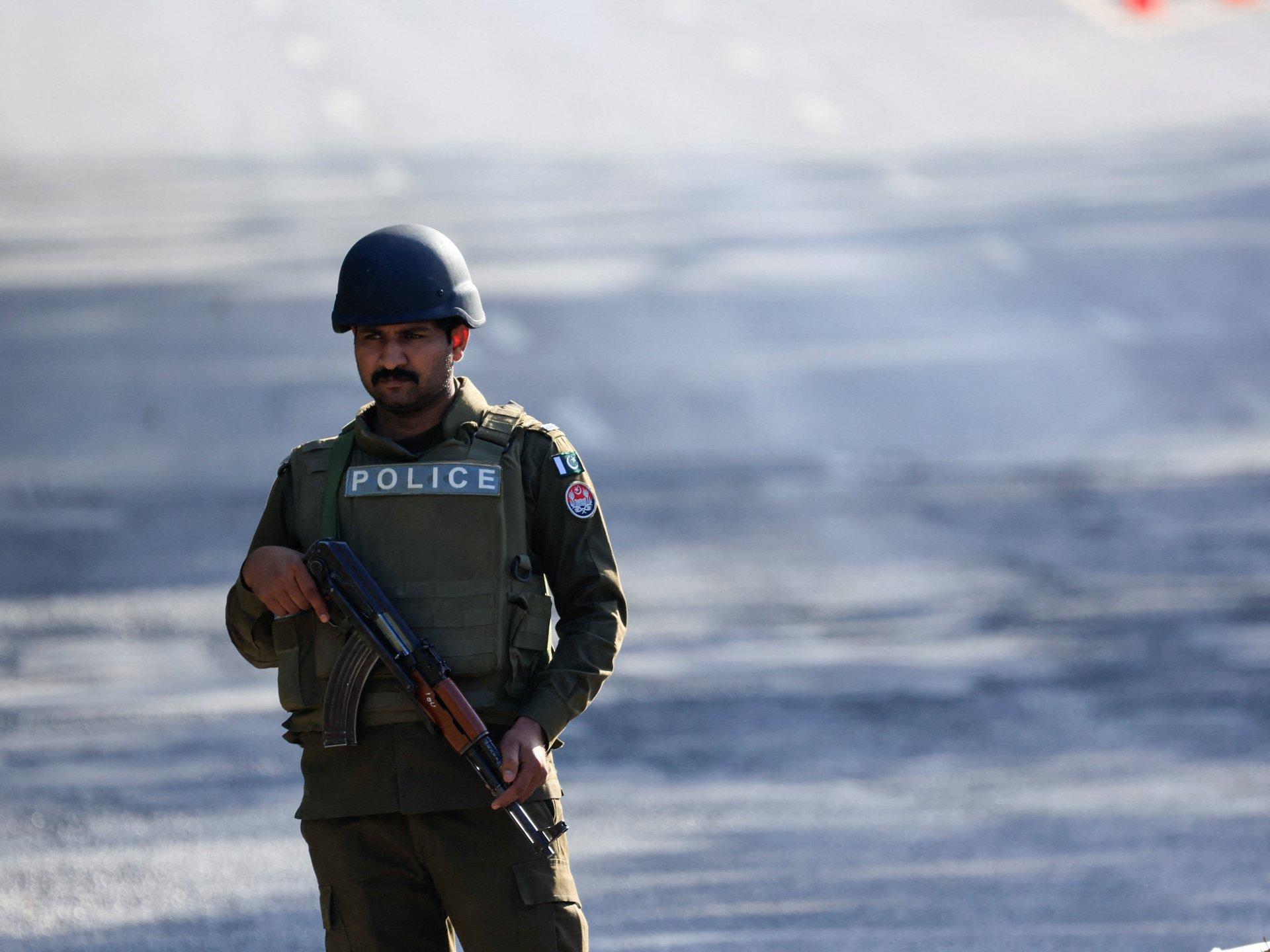
At least 12 people were killed and 30 others injured in a suicide car bomb attack targeting a police checkpoint in northwestern Pakistan, according to Al Jazeera's report. The attack occurred on Saturday in the Darazinda area of Derai Ismail Khan district in Khyber Pakhtunkhwa province, where the vehicle struck the checkpoint causing a powerful explosion followed by gunfire sounds, as witnessed by eyewitnesses.
Police Chief Safdar Bakhsh clarified that most of the victims were security personnel and passersby, noting that among the dead were customs officers, forestry department staff, and police officers. Several customs officers and at least two civilians were also injured, while rescue teams from Darazinda station arrived to provide first aid and transport the wounded to hospitals.
Al Jazeera correspondent Osama Bin Javaid stated that the checkpoint was a strategic target due to the presence of numerous officials there, explaining that the area lies at the intersection of Balochistan, Khyber Pakhtunkhwa, and Punjab provinces, necessitating customs officers to prevent smuggling. The correspondent added that the region is close to South Waziristan, which has witnessed armed attacks for decades, while the Pakistani Taliban (TTP) is suspected of responsibility for the attack, though no party immediately claimed responsibility.
This attack comes two days after clashes on the southwestern border between Pakistan and Afghanistan resulted in the death of 13 Afghan Taliban fighters, part of an escalating tension threatening Chinese, Turkish, Qatari, and Saudi mediation efforts aimed at achieving lasting peace between the two countries. The Pakistani government continues its counter-attack strategy by establishing security barriers and launching retaliatory strikes, including cross-border attacks against suspected leaders in Afghanistan, while Kabul denies allegations that it allows TTP operations on its territory.
Analysis & context
Analysis & Context
From an analytical perspective, this attack represents a continuation of the rising wave of armed violence in Pakistan over recent years carried out by organizations such as the Pakistani Taliban and the Balochistan Liberation Army, reflecting increasing security challenges in border and internal regions.
In a broader context, Derai Ismail Khan is located in a sensitive area near South Waziristan, which has been a center for armed attacks for over a decade, where Pakistani forces have conducted multiple military operations, making the region prone to repeated attacks.
This attack also marks a new escalation in tensions between Pakistan and Afghanistan following fighting that killed 13 Afghan Taliban fighters on the southwestern border just two days ago, threatening ongoing mediation efforts by China, Turkey, Qatar, and Saudi Arabia for lasting peace. Additionally, Kabul's rejection of allegations regarding allowing TTP membership to operate on its soil highlights the complexity of bilateral relations and complicates any sustainable diplomatic solution in the region.